Irishman Neil Jordan is most famous as a film director and screenwriter for the likes of Michael Collins and The Crying Game, but has also had a long history of writing fiction since a debut short story collection in the 1970s.
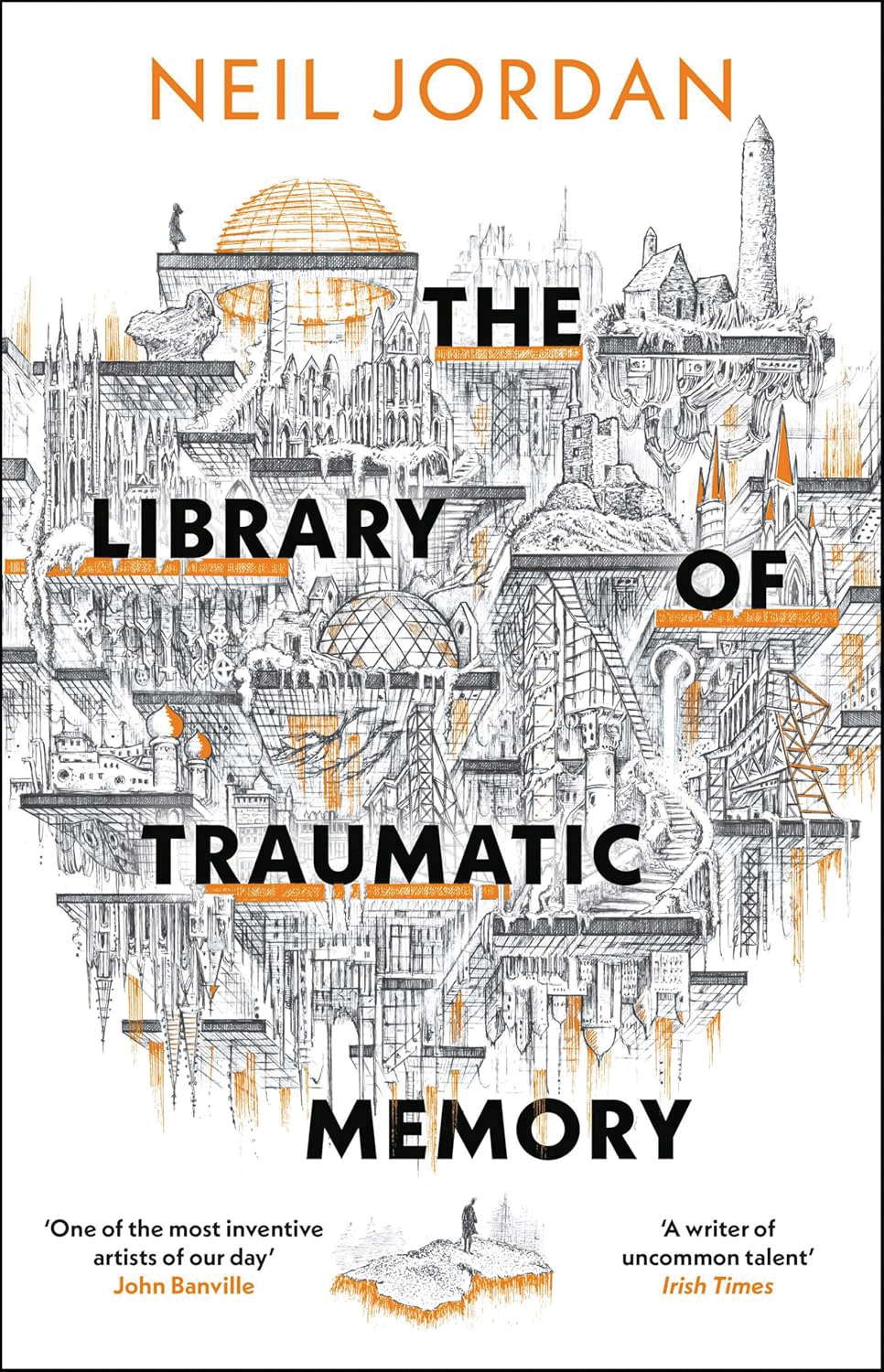
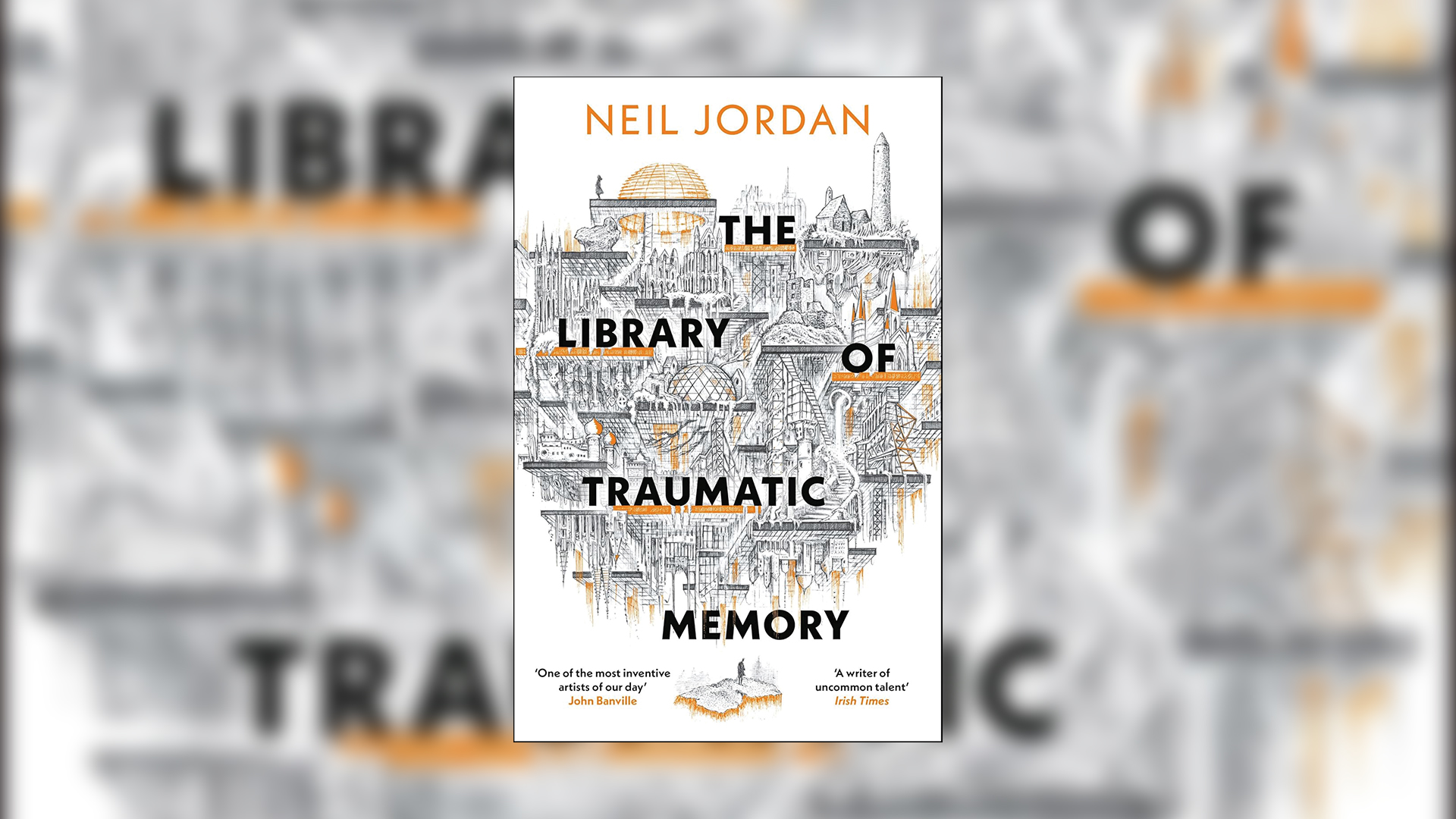
The Library of Traumatic Memory is Jordan’s 10th novel and is set in the year 2084, where Christian, a quiet librarian at the Huxley Institute, spends his time archiving painful memories. When his lover Isolde dies in a car crash, Christian secretly resurrects her as a digital consciousness, uncovering a deep conspiracy in the process.
This is obviously speculative fiction, but the novel also lovingly delves into tropes of gothic mystery and philosophical treatise, looking at issues of time and memory, what it means to be alive, and reflecting on subjects such as love and loss.
Read more:
- Lucid prose, raw accounts of grief and witty memoirs: The Big Issue critics’ books of the year
- Aftersun: Charlotte Wells captures the fragmentation of memory and loss
- Top 5 gothic mysteries, selected by acclaimed queer author CA Castle
All of this is handled with consummate storytelling skill as one might expect from a veteran and expert of two narrative mediums. The prose zips along at a great pace, yet there is time to reflect on bigger questions, as the author expertly drip feeds clues and red herrings to the reader.
The unreliable nature of memory lends itself well to creating doubt in the reader’s mind as to the actual events, making it an emotionally rich and touching read.