Choose your Big Issue newsletters: The stories we’re investigating, the change we’re fighting for, and the ways you can get involved and help make it happen.
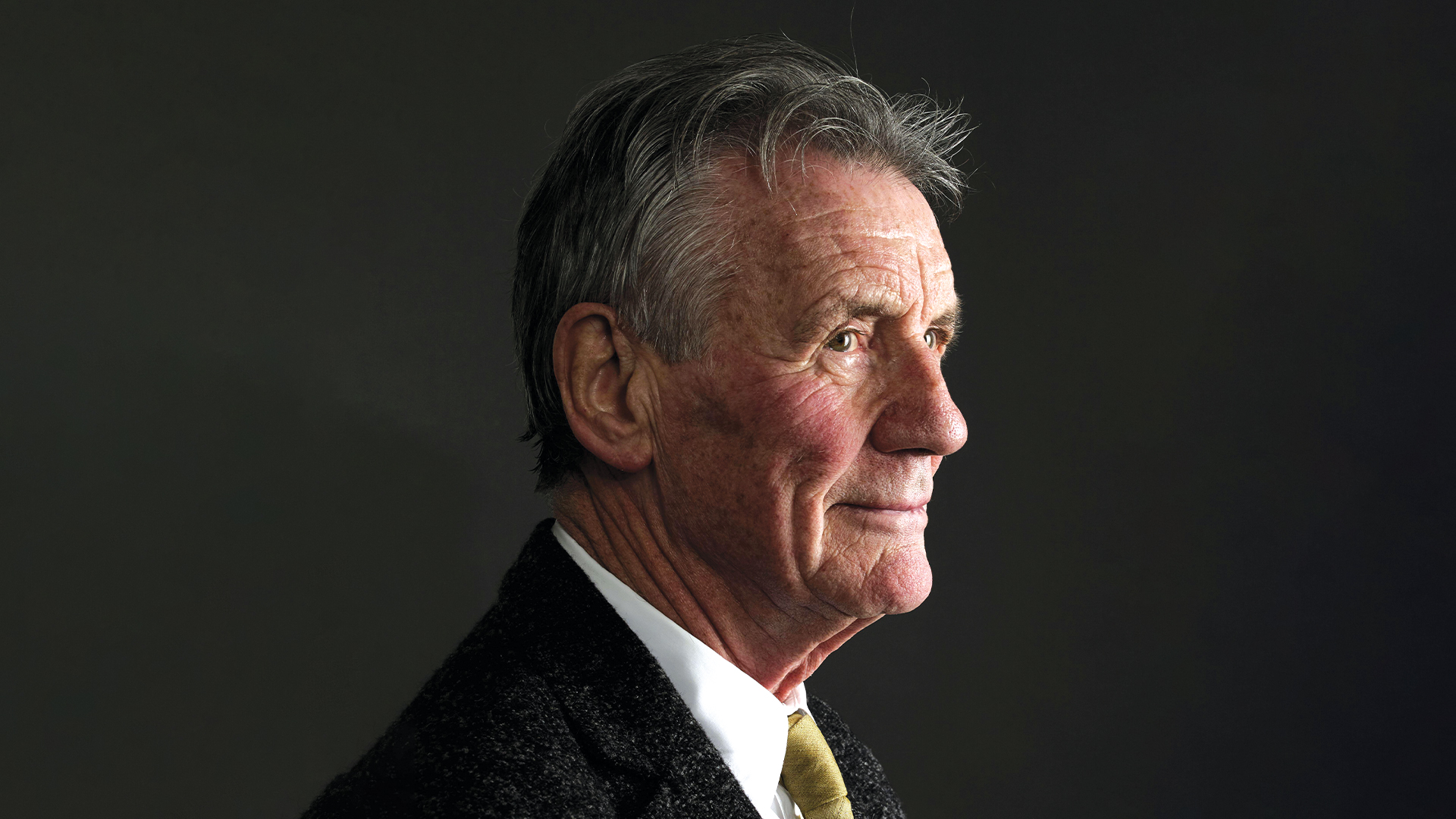
Michael Palin: 'There are moments where you feel a unity in the world. That’s what keeps me going'
Nearly four decades on from 80 Days Around The World, Michael Palin is still getting under the skin of the places he visits
by: Tom Horn
7 Jun 2026
Image: Neil Spence / Alamy
Share
When you think about the nations that will shape the 21st century, where do you think of? The United States? Russia? Perhaps China or India? Michael Palin has a different answer: Nigeria.
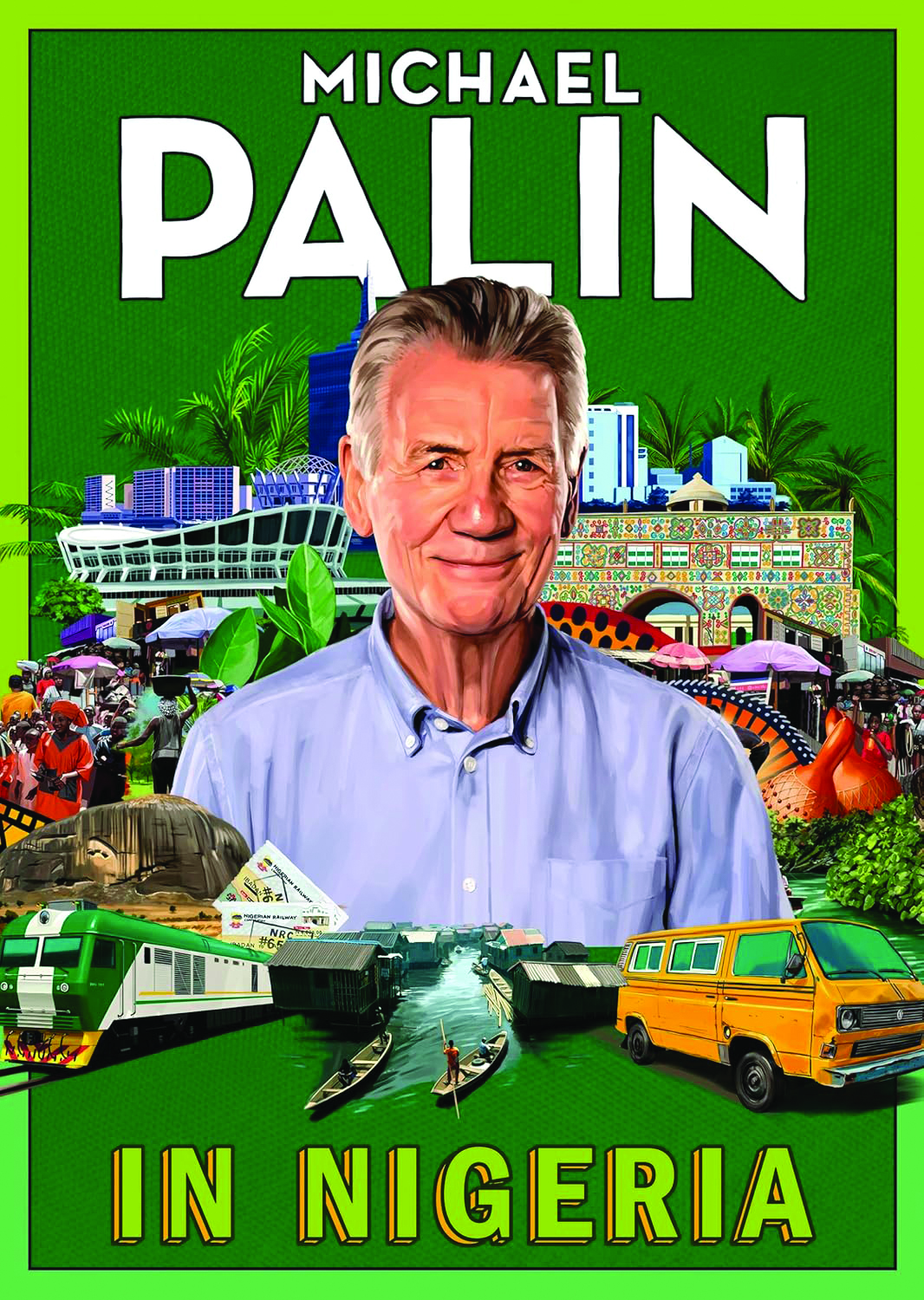
Palin’s series In Nigeria aired in 2024; its accompanying book has just been published. With over 240 million inhabitants, over 500 languages spoken and a landmass nearly four times the size of the UK, there was plenty to explore.
He says, “I think it’s quite strange that it’s the biggest country in Africa, and probably one of the richest apart from South Africa, and yet you just don’t hear much about it. One member of the House of Lords said [before the trip] ‘Why are you going to Nigeria? It’s a complete shithole.’ People who go around saying that ought to be ashamed of themselves.”
It’s a shocking comment, if not unsurprising. Palin says many Brits have a low opinion of Nigeria because we’ve never fully come to terms with our role in creating the nation, good, bad and ugly.
“Nigeria’s got so much going for it, it should be prospering anyway. I don’t quite know why it isn’t, but it’s probably to do with the fact that we, the Brits, sort of lumped together all these people. There are hundreds of different dialects and tribes which we don’t really understand. We shouldn’t lump them together and think they can all work together.”
Advertising helps fund Big Issue’s mission to end poverty
Advertising helps fund Big Issue’s mission to end poverty
Palin’s trip involved three pacey weeks of travelling – no mean feat for someone in their 80s, especially when tackling harrowing subjects. He interviewed a young woman who’d been abducted by Boko Haram terrorists and married to one of her captors and met men badly burned when illegally syphoning oil to make a living, all while under armed police supervision due to security concerns. Does he keep calm despite the pressure?
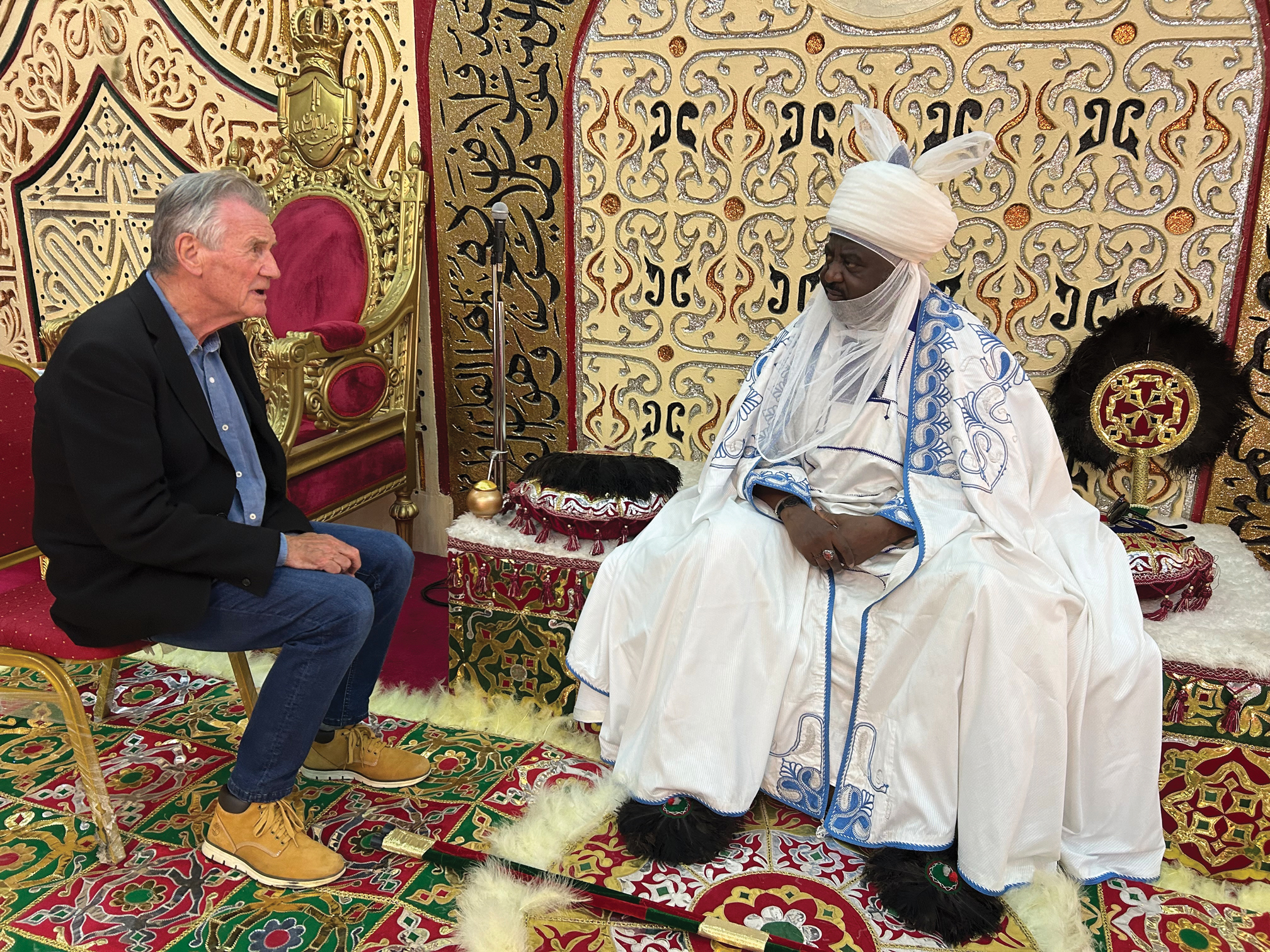
Michael Palin meeting with the Emir of Kano in Durbar, northern Nigeria
He says, “I try to, because there is no point in panicking and I am not there to go and make judgments. I am there to try and discover as much as I can about the people who live there, what their hopes are, what their priorities are, how they educate their children and how they run their transport services. It’s a learning exercise.”
Before Nigeria, his recent voyages took him to Iraq and North Korea. It was followed by a trip to Venezuela. In the era of fluffy travel influencers, he remains determined to give unvarnished takes on the places shaping our world.
“It’s quite different from just going to the capital and doing a few nightclubs on the beach,” he admits. “You try to really get stories that resonate about the country, we don’t want to be bland. It’s halfway between news reporting and a travel show, and not quite either of them, but we try to get the best elements of both, showing you the country as best as we can and making an incisive newsworthy report on what’s really going on there.”
With conflict on almost every continent, it’s difficult for Palin and his team to keep pace with global events. Having good local contacts is key, he explains, but you can never fully understand what’s going on under the surface.
Advertising helps fund Big Issue’s mission to end poverty
Since visiting Venezuela, the nation was hit with American airstrikes and its demagogic leader Nicolás Maduro was toppled and captured by US special forces.
“We were aware of the oppressive nature of authority there and the presence of Maduro everywhere, on every poster, every billboard, and every television programme,” he says.
“A lot of Venezuelans were not really happy to talk to us directly on camera, because it was a police state in a way. I don’t think any of us realised what might happen.
“Taking this one person out seemed to kind of reorientate the country. A lot of Venezuelans, from what I can gather, feel a lot happier and more comfortable now.
“I feel very strongly that we have a very Western-centred view and you’ve got to change your perspective when you go to all these countries if you want to see them for what’s really going on. You’ve got to see the rest of the world from their point of view.”
A few world leaders could do with more perspective. Would their behaviour change if they travelled further afield more?
Advertising helps fund Big Issue’s mission to end poverty
“I don’t know. Things are pretty inexplicable in many ways I don’t quite understand.
“When Trump went into Venezuela, I was appalled by what was happening, especially when they were blowing up people in boats off the coast, saying they were all drug smugglers without any evidence and sending their boats to the bottom of the sea with a kind of glee. That was pretty horrible, but I look at the way they took out Maduro now and I think, well, that has made a difference.
“In most of the countries I’ve been to it’s just a question of understanding why governments don’t work so well, why there are regimes that are corrupt. In many cases like Iraq and Nigeria you find it’s very tribal; there are people in different parts of the country with completely different views of life. There are so many factors.”
After decades of travel, Michael Palin has become a sort of David Attenborough for humanity, transporting us to parts of the world we would never see with a hearty dose of curiosity and enthusiasm. What keeps him travelling and, in today’s bonkers world, hopeful?
“We share an awful lot with other people in the world,” he says. “I can never forget being in Tibet and talking to a yak herder. He invited me into his yurt and there was his wife making butter out of a churn. We didn’t understand each other at all linguistically, yet I understood exactly what he was talking about.
“There are moments like this where you do feel there is a unity, and there is a decency and a sort of harmony in the world. I don’t want to sound too soppy, but that’s what keeps me going. I suppose I need to travel, because I need to be reassured that this is the case and I’m not just softening up!”
Advertising helps fund Big Issue’s mission to end poverty
In Nigeriaby Michael Palin is out now (Cornerstone, £20). You can buy it from the Big Issue shop on bookshop.org, which helps to support Big Issue and independent bookshops.
Buy from your local Big Issue vendor every week – and always take the magazine. It’s how vendors earn with dignity and move forward.
You can also support online: Subscribe to the magazine or support our work with a monthly gift. Your support helps vendors earn, learn and thrive while strengthening our frontline services.
Thank you for standing with Big Issue vendors.
Advertising helps fund Big Issue’s mission to end poverty
Advertising helps fund Big Issue’s mission to end poverty