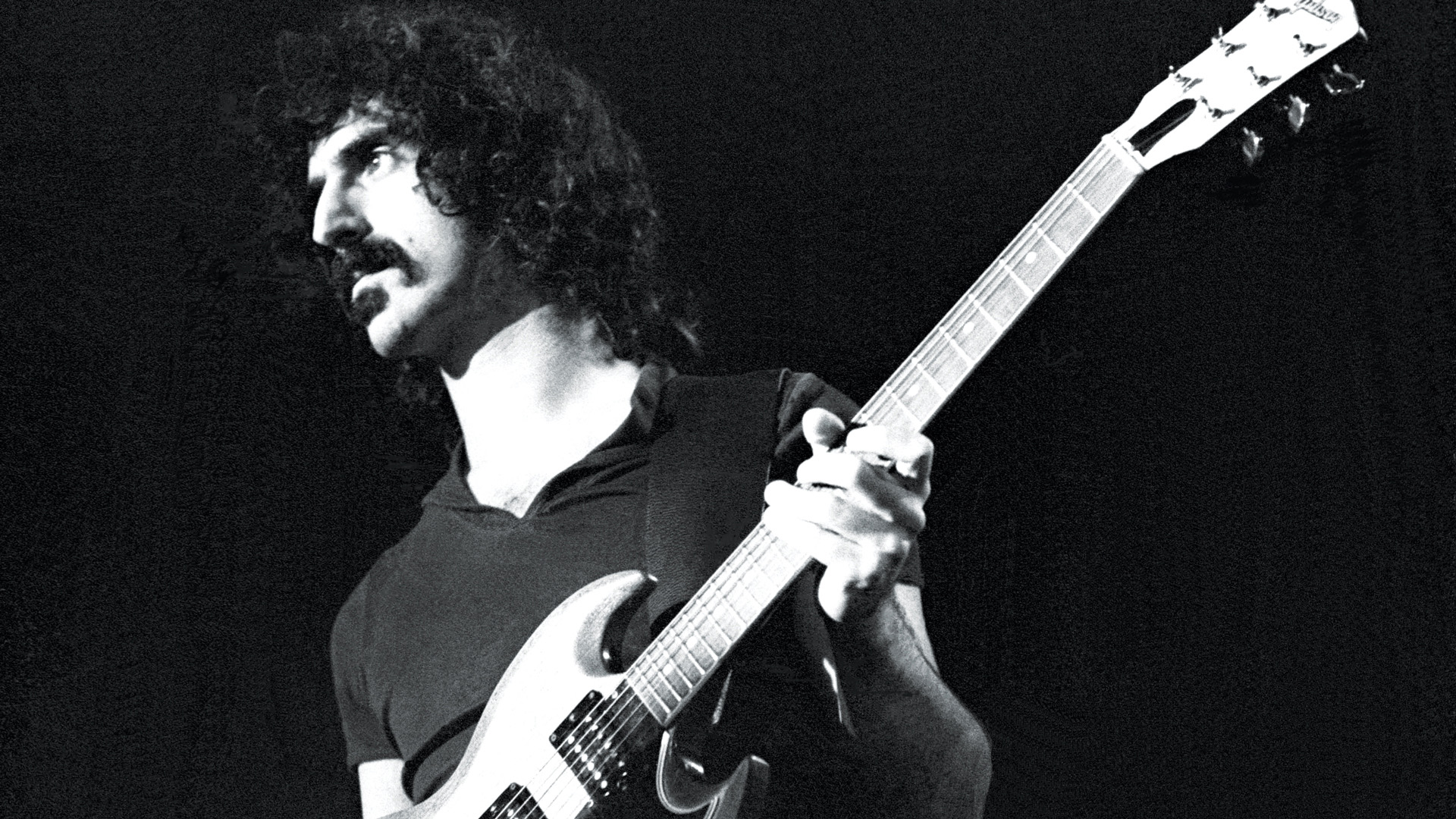
Frank Zappa in concert, 14 September 1973. Image: Ian Dickson/Shutterstock
Share
Frank Zappa superfan, comedian John Robins, once described listening to Zappa’s music as “like walking into a theme park”. As Zappa’s vast archive continues to be posthumously combed through and released, the theme park is expanding into ever more thrilling and stomach-turning territory.
This month, a reissue of the live Bongo Fury album returns our attention to one of rock’s strangest and most combustible partnerships; a friendship, rivalry and a shared artistic language that still feels like a musical hall of mirrors.
Frank Zappa and Don Van Vliet, aka Captain Beefheart, first met as teenagers in Lancaster, California, bonding over their shared love of blues and doo wop, horror films and outsider art. As they both pursued careers in music, their friendship progressed into a tempestuous working relationship.
Beefheart provided the grizzly, guttural vocals for Willie the Pimp on Zappa’s 1969 classic Hot Rats, and Zappa produced Beefheart’s avant-garde masterpiece Trout Mask Replica the same year.
Although they had much in common creatively, Beefheart lacked Zappa’s business sense, and by 1975 he found himself in financial trouble owing to an exploitative record contract he had signed without bothering to read. Zappa agreed to take his friend on a two-month tour of the US to help him pay off his debts.
Advertising helps fund Big Issue’s mission to end poverty
Advertising helps fund Big Issue’s mission to end poverty
Despite the gesture, their dynamic on and off stage grew volatile and competitive; the story goes that Beefheart, who was also a renowned visual artist, would stand in the wings while Zappa was performing and paint mocking caricatures to hurt his feelings. The Bongo Fury LP, captured on this tour, gives a fascinating insight into the turbulent push-and-pull between these two musical dissenters.
I spoke to Joe Travers, aka the ‘Vaultmaster’, responsible for preserving and releasing music from Zappa’s archive on behalf of the Frank Zappa Family Trust. “Bongo Fury, in the end, was a result of a small window in time when Frank Zappa was called upon to help Don in time of need,” he told me. “The rehearsals, tour and album reflect Frank’s genius of taking advantage of an opportunity and making the best of it.”
Managing Zappa’s vault is a formidable task. The composer’s work ethic is legendary, he created music almost constantly and documented his creative process obsessively. The archive, now owned by Universal Music, contains thousands of hours of unreleased studio recordings, live concert tapes, rehearsals and filmed footage spanning four decades.
Regardless of the volume of material, Zappa fans, and I count myself among them, are always hungry for more. Travers recognises the scale of his responsibility. “Timing is everything,” he says. “Eras and specific periods in Frank’s career come around in cycles. It’s a living body of work that continues to support and accentuate his main output during his lifetime.”
The new 50th anniversary edition of Bongo Fury is a window into Zappa’s volatile relationship with Beefheart, and the fact they never worked together again once the tour was over. “Hearing the concert tapes in their entirety is special,” says Travers, “revealing Zappa’s work ethic and giving you an appreciation of how he was able to craft such a great record from the source elements.
Advertising helps fund Big Issue’s mission to end poverty
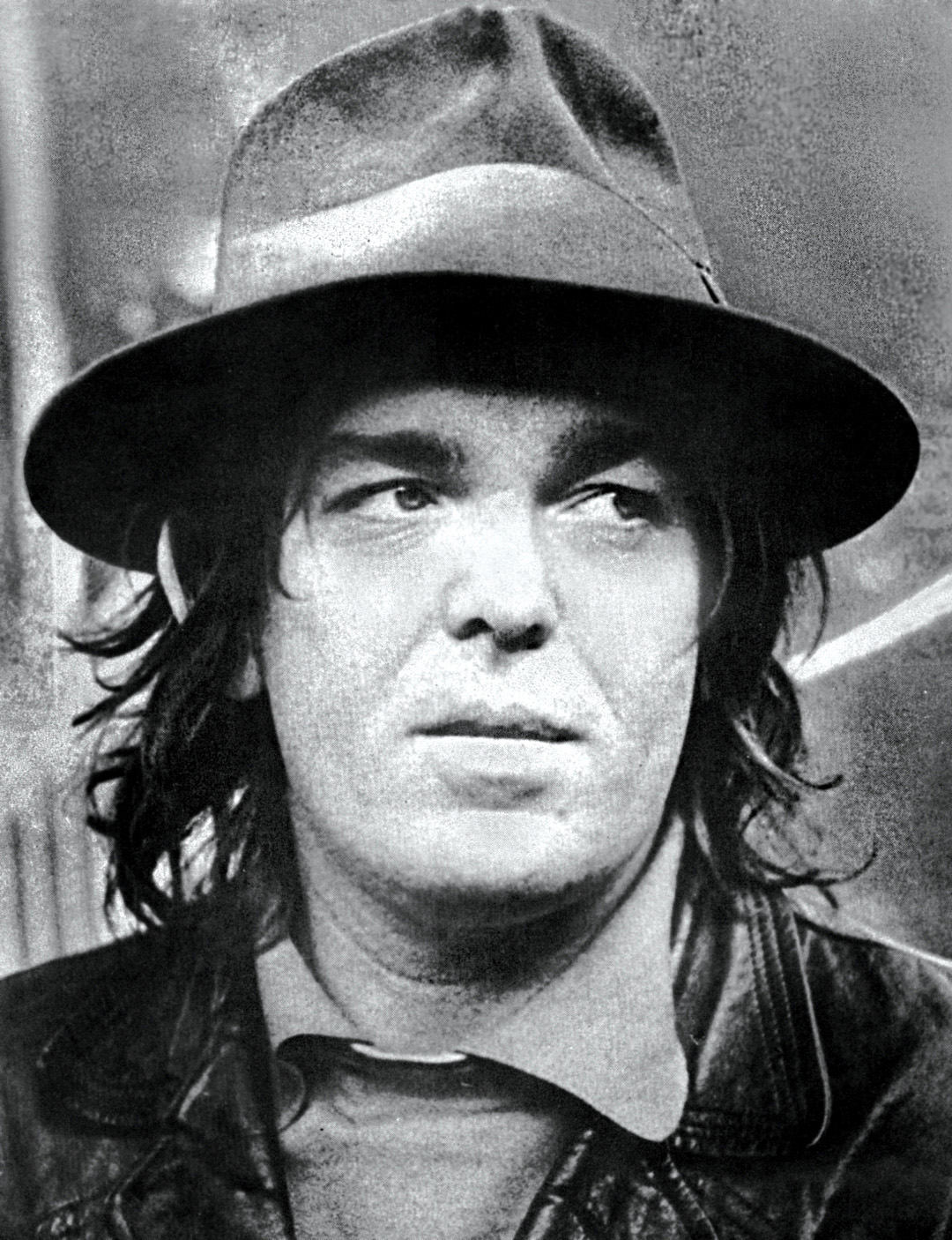
Captain Beefheart in 1970. Image: SQUAREROOTOFFTWO
“The tapes reveal how lucky we are that Beefheart was so consistent during the shows. The whole thing is being led by Frank; essentially, Beefheart was a band member, hired to contribute his vocals, poetry, writing, sax and harmonica playing.”
It’s been said that Zappa’s exacting professionalism is what ushered in the end of their working relationship. They reconciled in the early ’90s, following Zappa’s cancer diagnosis – the two old friends would phone each other regularly to talk and listen to the blues records they’d bonded over during their schooldays.
As creative industries grapple with the threat of algorithmic ease, the return of Bongo Fury speaks to an enduring appetite for difficulty and risk. Younger artists, such as Geese and Geordie Greep, continue to draw from Beefheart’s defiant strangeness, while the steady drip-feed from Zappa’s vault reflects a wider cultural urge to reassess the past.
As Travers puts it, “It makes you listen, and whether you like it or not, you come away from it knowing it’s special. There’s nothing like it. The fruits of our labour will live on way past us, as will Zappa’s legacy.”
Advertising helps fund Big Issue’s mission to end poverty
Change a vendor’s life.
Buy from your local Big Issue vendor every week – and always take the magazine. It’s how vendors earn with dignity and move forward.
You can also support online: Subscribe to the magazine or support our work with a monthly gift. Your support helps vendors earn, learn and thrive while strengthening our frontline services.
Thank you for standing with Big Issue vendors.
Advertising helps fund Big Issue’s mission to end poverty