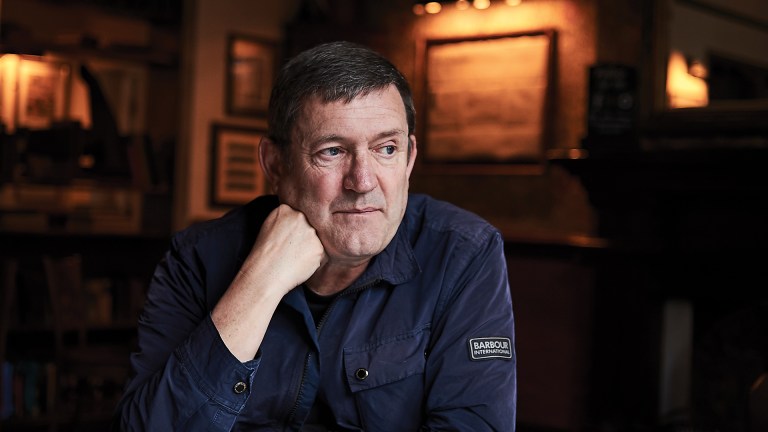
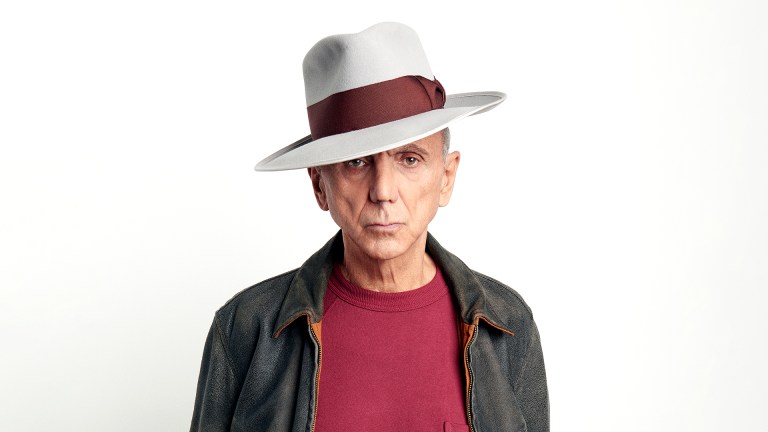
Opera has always been about bigger human stories and pressure: emotional pressure, social pressure, political pressure – until speech can no longer contain what needs to be said and music takes over.
That feels strangely close to the climate moment we are living through. In Greta’s book, one article about the tipping point about the earth heating up and the importance of our oceans really struck me.
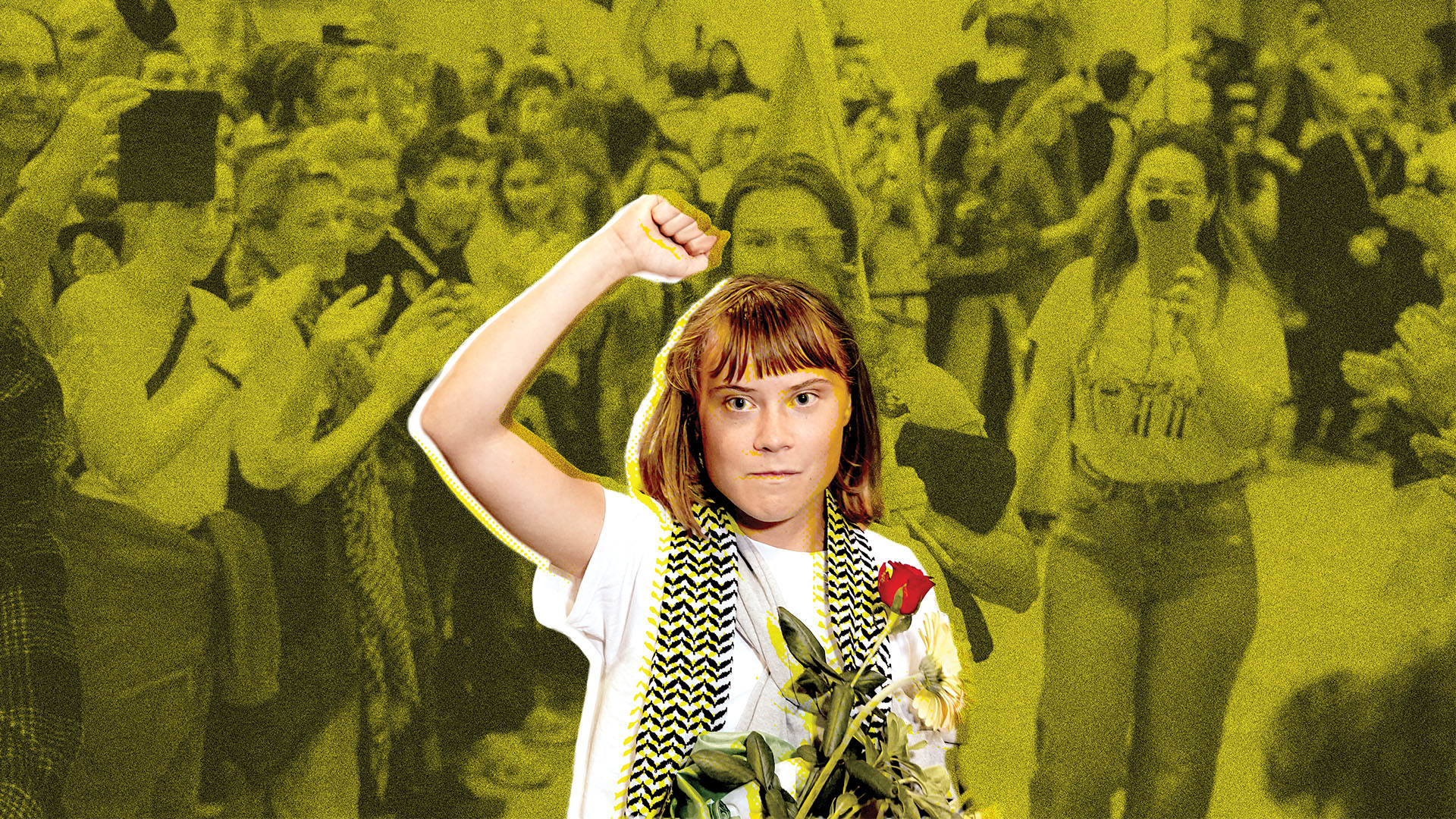
Greta emerged not because she had power, but because she refused to accept the modern lie. We are invited by politicians to a certain kind of performance: the performance of endless optimism, endless delay, endless polite language around crisis. Because she was merely a child, her voice cut through the relentless chatter. I’ve moments where that’s reflected in my music.
Continue reading for free
Registration is free and takes less than 30 seconds.
Our supporters make Big Issue’s work possible. Join us to see the impact we’re having together and discover more ways to help people facing poverty access income, opportunity and support.
Her public voice has often been described as angry, but I’ve never heard anger as the dominant note. What I hear is precision. Refusal. Strength. A demand to stay with facts even when facts become uncomfortable. My opera is truly a love letter to Greta.
As I composed and wrote this piece, I found myself returning not to speeches, but to something more elemental: breath.
Breath became the key driving force and symbol of the opera.
Advertising helps fund Big Issue’s mission to end poverty
Breath is life, but it is also voice. And breath is personal, but climate is a collective need. We borrow air from the world and return it. Every singer knows that breath carries meaning before words do. In opera, breath creates character, shapes silence and determines what can be sustained.
The opera opens not with protest but with childhood (did you know her mother is an opera singer?), with listening, with breath becoming song. It then follows moments in Greta’s public life, but not as documentary. Instead, I was interested in transformation: how a private person becomes public; how language becomes action; how one voice becomes many.
That, to me, is where opera becomes unexpectedly relevant.
People sometimes imagine opera as exclusive or frozen in tradition. My own experience has been the opposite. I came to composing later in life after raising children and balancing another career entirely to support my family. What drew me in was not tradition for its own sake but the possibility that opera could hold complexity – politics and tenderness, intellect and feeling, intimacy and scale. Furthermore, I think emotionally it reaches greater heights matching the climate crisis, heat and urgency.
Opera invites audiences not simply to understand something but to inhabit it.
Climate communication often struggles because information alone doesn’t change us. We know more than we have ever known and still struggle to act. Art cannot replace policy. It cannot lower emissions. But art can do something else: it can alter attention.
Advertising helps fund Big Issue’s mission to end poverty
Opera slows time.
It asks us to sit with contradiction. To hear repetition differently. To notice the distance between what we say and what we do.
In this work, Greta’s imagined words are not treated as slogans. They become musical material which is repeated, transformed, questioned, passed from one breath to another.
And perhaps that is the thing I find most moving about her story (I think she’s amazing btw.) Not that one person can save the world. But that one person can make inaction impossible to ignore. One voice can become a bigger chorus.
Climate change is often framed as a story of numbers, targets and distant futures. Yet heat is intimate. Air is intimate. Breath is intimate.
Opera, at its best, reminds us of that. The opera ends not with certainty but with a question.
Advertising helps fund Big Issue’s mission to end poverty
Who will you be?
After my Breath: A Love Letter To Greta runs from 15-18 July at the Arcola Theatre, London, as part of the Grimeborn Festival.
Do you have a story to tell or opinions to share about this? Get in touch and tell us more.
Change a vendor’s life.
Buy from your local Big Issue vendor every week – and always take the magazine. It’s how vendors earn with dignity and move forward.
You can also support online:
Subscribe to the magazine or support our work with a monthly gift. Your support helps vendors earn, learn and thrive while strengthening our frontline services.
Advertising helps fund Big Issue’s mission to end poverty
Thank you for standing with Big Issue vendors.
Advertising helps fund Big Issue’s mission to end poverty