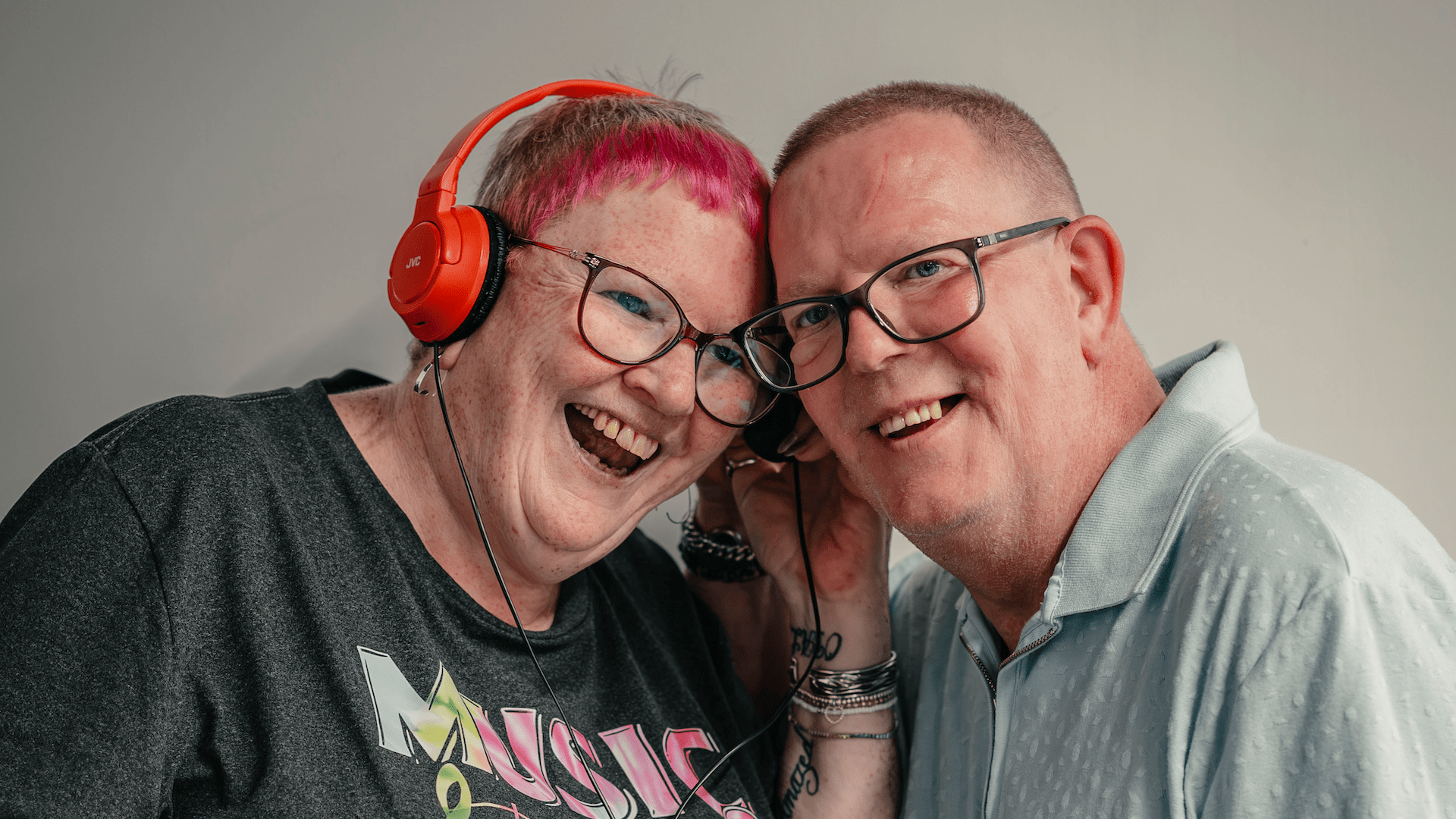
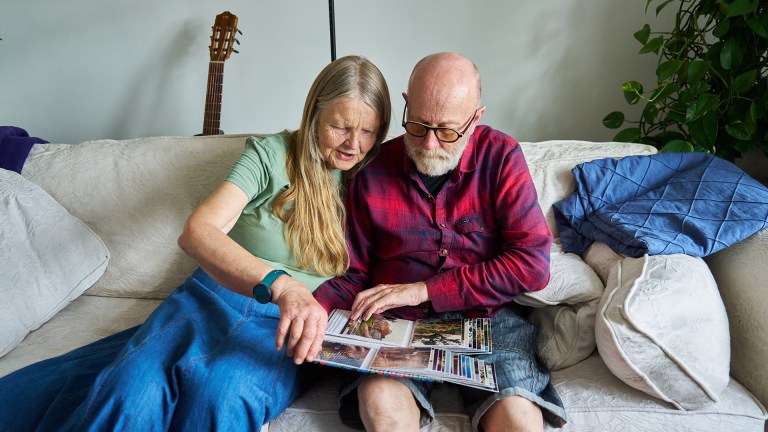
Writer and broadcaster Sally Magnusson discovered this when caring for her mother Mamie who lived with dementia. After witnessing how music helped Mamie connect with her family and brought comfort to everyone who listened with her, Sally wanted everyone to know about the power of music and how it could help, so she founded Playlist for Life in 2013.
Thirteen years on it has helped thousands of people to live well with dementia. Through its network of community groups and organisations called Help Points, alongside health and social care professionals, it works across the UK to provide resources and training to people on the frontline of dementia care. Its aim is to make personal playlists a standard.
The charity’s approach, backed by two decades of scientific research and over 13 years supporting people affected by dementia has shown that a personal playlist can help reduce distressing symptoms, improve connections between carers and loved ones and offer respite and comfort for everyone listening.
Keep reading the journalism that powers our mission
Register free to continue and learn more about the stories, campaigns and the support we provide, helping people facing poverty across the UK.
The charity acknowledges that dementia isn’t easy, but wants everyone to know that music can help. In her memoir about her mother’s journey with dementia, Where Memories Go, founder Sally said: “I would have given anything for someone to say ‘Try this: It’s not a cure but it can help. You can still have moments of happiness and flashes of joy’. No-one says that very often to families living with dementia.”
The words ‘I wish we knew about music sooner’ are something the charity hears often. That’s why it launched its awareness campaign, National Playlist Day – this year on September 18 – to raise awareness of the power of music and share real-life stories that celebrate the incredible impact music is having for people living with dementia across the UK.
One of these stories is about husband and wife Harry and Margaret, the first couple to be supported by the charity. Harry lived with dementia and as it progressed, Margaret would leave Harry’s care home every day in tears because he wasn’t able to talk to her anymore. The charity, however, worked with Margaret and the care home to create a personal playlist for Harry. When the couple listened to these songs together, Harry, having not spoken for some time was suddenly able to sing and respond to Margaret, creating those moments of happiness and flashes of joy Sally and her family experienced.
Advertising helps fund Big Issue’s mission to end poverty
Since then, Playlist for Life has gone on to train 8,000 health and social care professionals to create and use personal playlists in dementia care and support, including a team from NHS Fife which reported that out of a group of 10 adults, 80% needed less medication to manage stress and distress after using playlists in their work.
Its Help Point network is key to supporting people who live at home with dementia, so that they stay connected to loved ones and their community for as long as possible. For Emma who cares for her mum Anne who has dementia, she said the playlist – which a Playlist for Life Help Point based at Dunfermline Abbey in Fife, Scotland supported her to create – helped her mum be calm and continue with the things she enjoyed like cooking and painting.
On the surface, playing music for someone with dementia can seem small or viewed as a nice-to-have in a care setting, but Playlist for Life has proven that it should be an essential part of dementia support. So get started on a personal playlist now. Dig out your tapes, CDs, records and your streaming history. The songs that have soundtracked your life can bring moments of happiness and flashes of joy at any time, and could be your key to comfort should you ever develop dementia.
Get involved with National Playlist Day on Friday 18 September here.
Michael Timmons is executive director at Playlist for Life.
Do you have a story to tell or opinions to share about this? Get in touch and tell us more.
Advertising helps fund Big Issue’s mission to end poverty
Change a vendor’s life.
Buy from your local Big Issue vendor every week – and always take the magazine. It’s how vendors earn with dignity and move forward.
You can also support online:
Subscribe to the magazine or support our work with a monthly gift. Your support helps vendors earn, learn and thrive while strengthening our frontline services.
Thank you for standing with Big Issue vendors.