Why you should take one hour out of your day and look to the skies
The RSPB is encouraging the public to take one hour out of their weekend to join in their Big Garden Birdwatch
by: Louise Mahon
23 Jan 2026
Image: Ben Andrew / Andy Hay / RSPB
Share
Now in its 47th year, the RSPB’s Big Garden Birdwatch aims to offer a mass-participatory tonic to January’s often dreary outlook, with the opportunity to turn your gaze outwards and help the RSPB with its annual stocktake.
From its origins in 1979 as a then one-off event for its Young Ornithologists Club, it is now the world’s largest garden wildlife survey. In 2025, almost 600,000 people counted more than nine million birds, providing us with a vital annual snapshot of how Britain’s birds are faring.
This year – as ever – don’t interpret that title too literally though.
As birds continue to face growing and complex threats from factors including climate crisis and habitat loss, the Big Garden Birdwatch is an increasingly vital piece of citizen science that is free and open to all. Whether you tend a high-altitude garden on the 8th floor, or your outside space is a balcony, or even if your ‘patch’ is just what can be seen from your window – these are all vantage points from which you can join us to count your local birds.
While we might tend to associate some of our best-loved species with green habitats – say, a gardener’s faithful robin perched idiosyncratically on a spade handle, or a blackbird nestled for warmth inside a hedgerow – many of the species that regularly feature in the top 20 chart are just as abundant and easily encountered in densely populated urban areas. That might surprise, but urban areas often support an incredible abundance of biodiversity, including many species who gain sustenance and shelter from human activity.
Advertising helps fund Big Issue’s mission to end poverty
Advertising helps fund Big Issue’s mission to end poverty
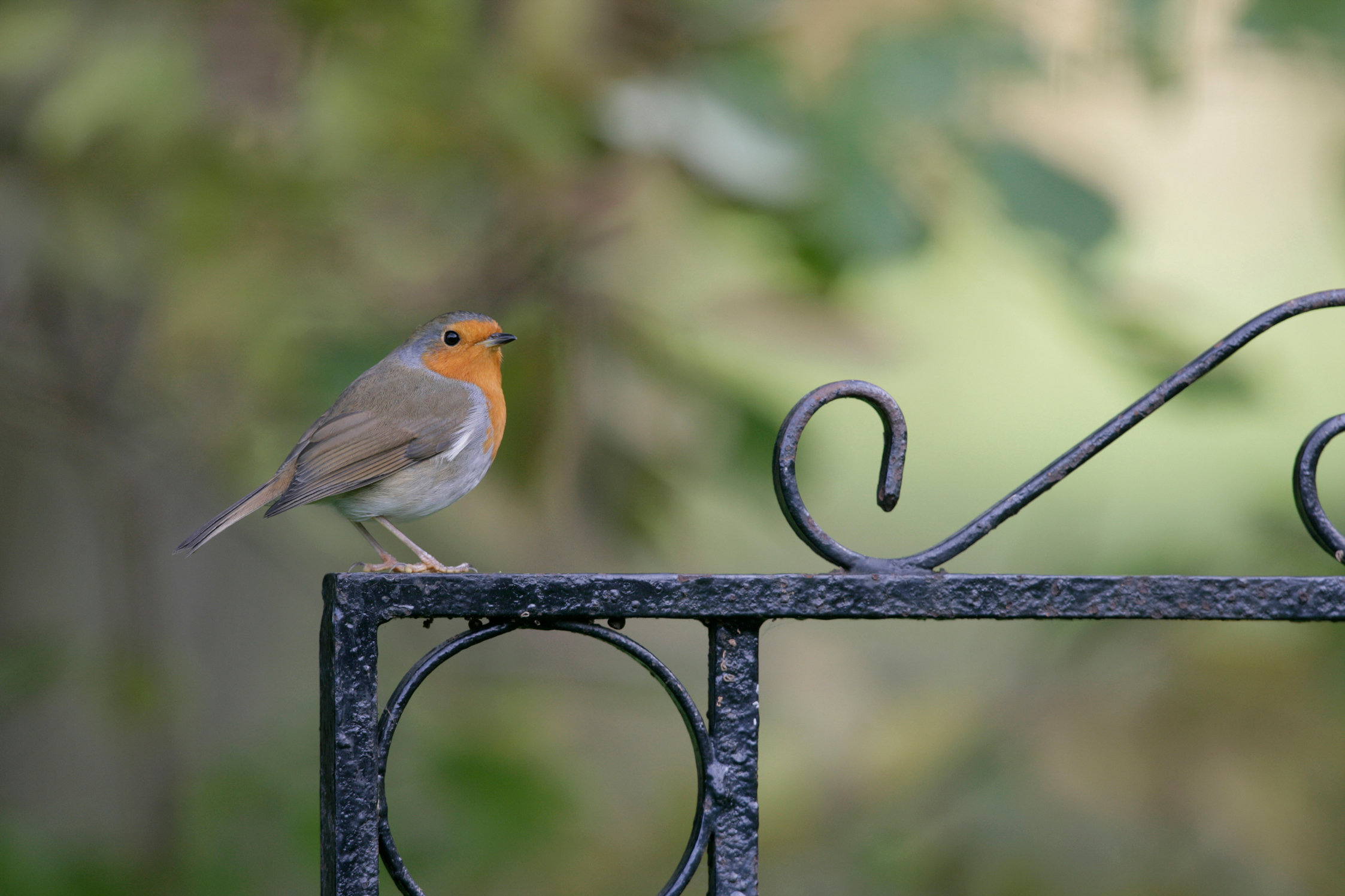
Robins’ plucky temperament makes them well suited to urban life. Image: Nigel Blake / RSPB
A close look around a city or town environment may well reveal the presence of green roofs as well as street trees (both of which will be locking away carbon and mitigating flood risk as well as providing habitat to birds, mammals and insects), birds nesting on buildings (to which many cliff-nesting species easily adapt) and the incredible natural ecosystems that can be supported on the industrial remains of brownfield sites.
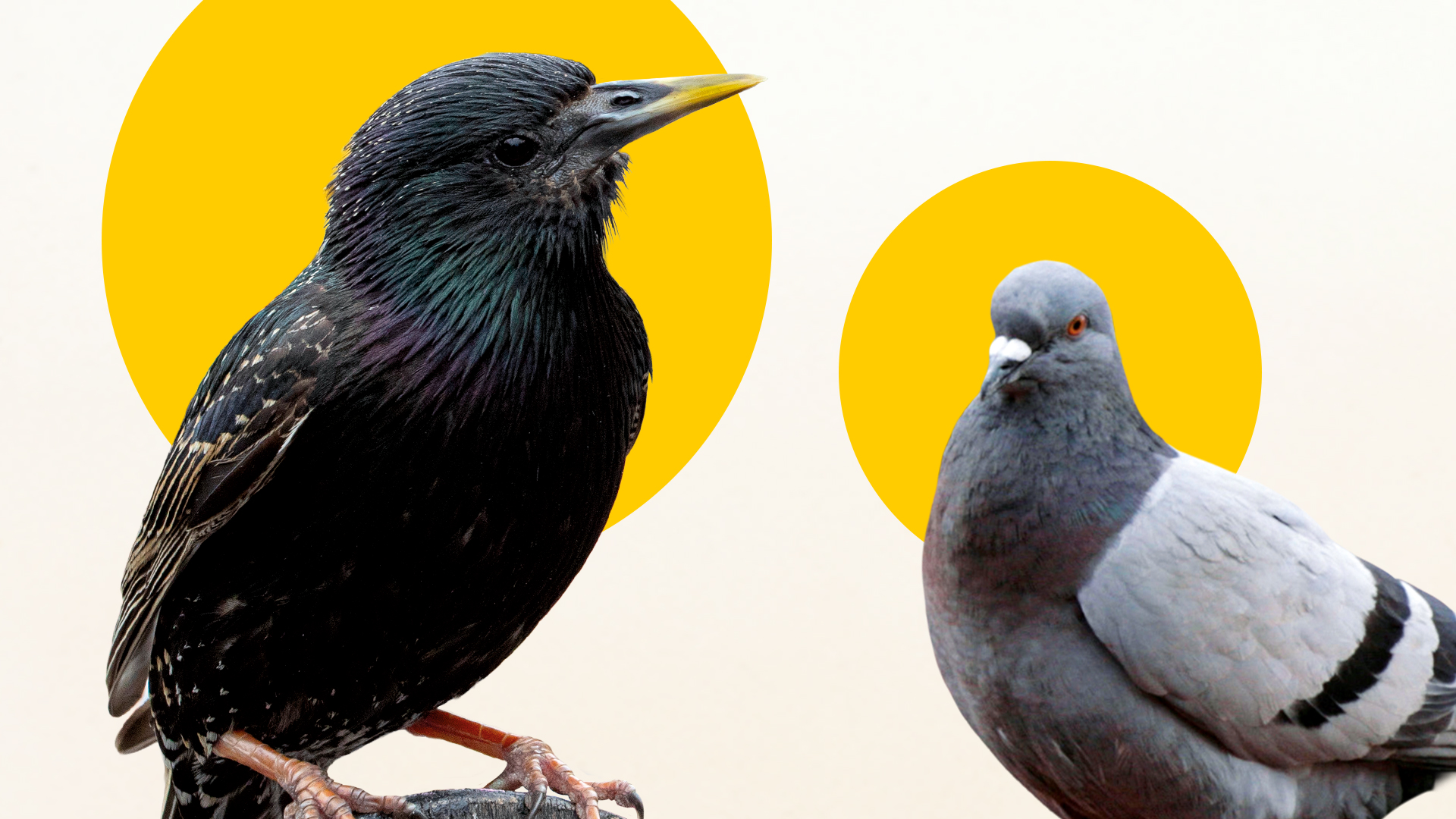
Take for instance the starling: a well-loved species, which is nonetheless on the Red List for birds of conservation concern, also clocking its lowest ever numbers recorded in the 2025 Big Garden Birdwatch. These noisy, sociable birds are so used to living in close proximity to humans that they’re capable of mimicking the sounds of everything from car alarms to mobile phones, even human speech. And they can be equally as partial to enacting one of their awe-inspiring murmurations over a bustling shopping centre car park as a stilled reedbed on a nature reserve.
Birds have continually adapted to survive in close co-existence with both humans and our attendant infrastructure. One of the characteristic traits of the carrion crow (which landed just outside the Big Garden Birdwatch top 10 for 2025) is the species’ intelligence, which has likely boosted its adaptability to living in urban environments.
From a bold temperament which favours scavenging on scraps and leftovers from human consumption, to a wily approach to problem solving – with cited instances of crows leaving nuts on roads for car traffic to crack open – the crow has truly evolved to thrive not just survive in close quarters to us.
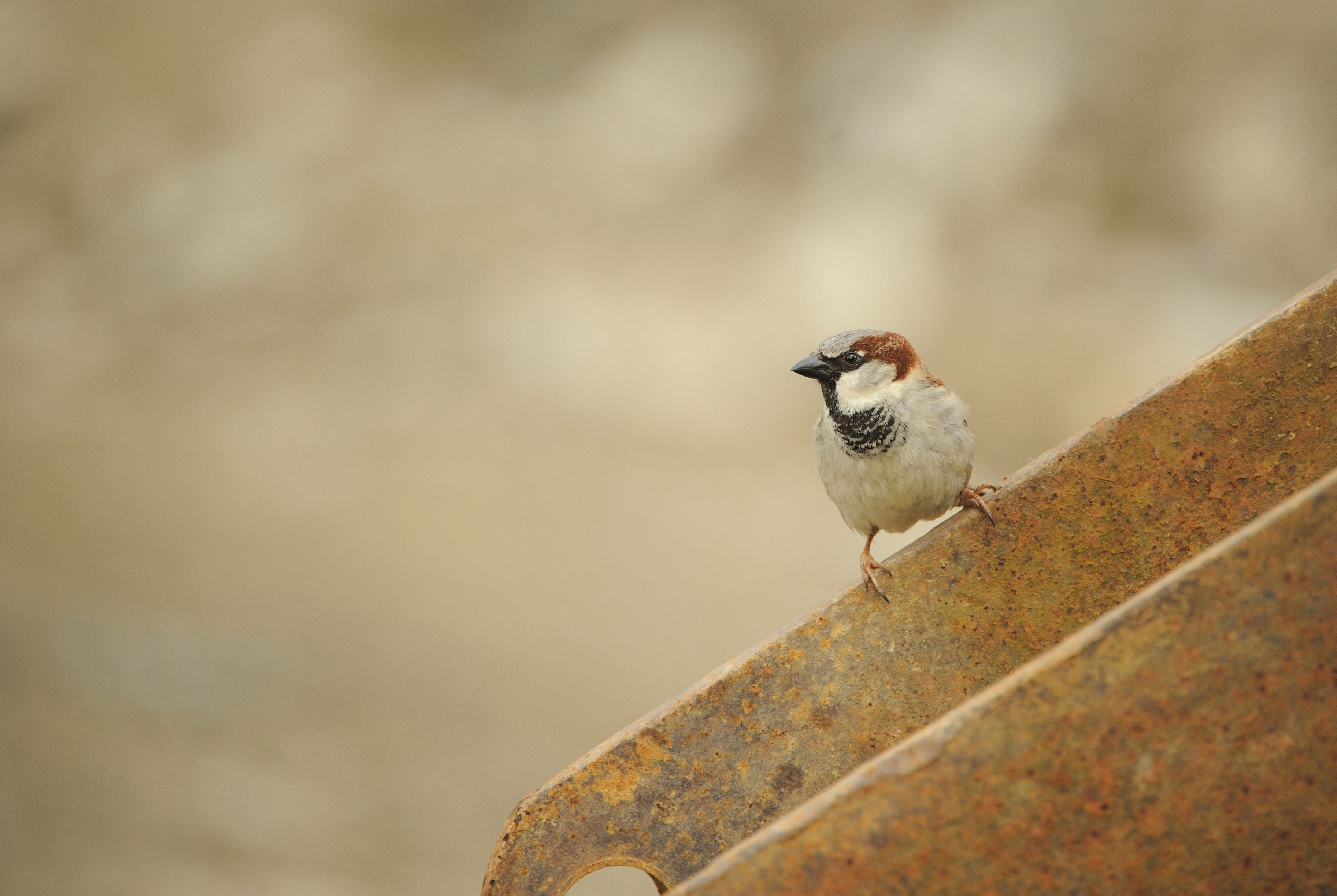
Male house sparrow. Image: Ben Andrew / RSPB
It’s a skill also adopted by the much-loved house sparrow, who lets little of the spilled crumbs from humans go uneaten, also making good use of nesting spots on houses and buildings. In spite of this resilience – and their #1 ranking in the 2025 Big Garden Birdwatch – this species is another cause for concern, having seen the lowest average sparrow count since 1998 and down 64% compared to the first Big Garden Birdwatch in 1979. There’s also every chance you could spot one of our most symbolic birds, the robin, amid the thrum of an urban setting.
Advertising helps fund Big Issue’s mission to end poverty
While its symbolism as the ‘gardener’s friend’ does have credence, it stems from a gutsy temperament that belies this bird’s small stature, and suits them well for the pace of metropolitan life. Male robins will defend their territory doggedly against others, and they’re one of very few species to sing all year round.
Arguably no run-down of the best urban birds to spot is complete without a nod to the feral pigeon. Often unfairly maligned, these ubiquitous birds are part of the fabric of urban life, flocking to the bridges and roofs of human infrastructure which mimic their natural preference for nesting on rocky cliff ledges.
While the crow often wins the laurels for intellect, the feral pigeon is no slouch either, with research showing that these birds are able to distinguish between human faces, recognising those who have been kind to them in previous interactions.
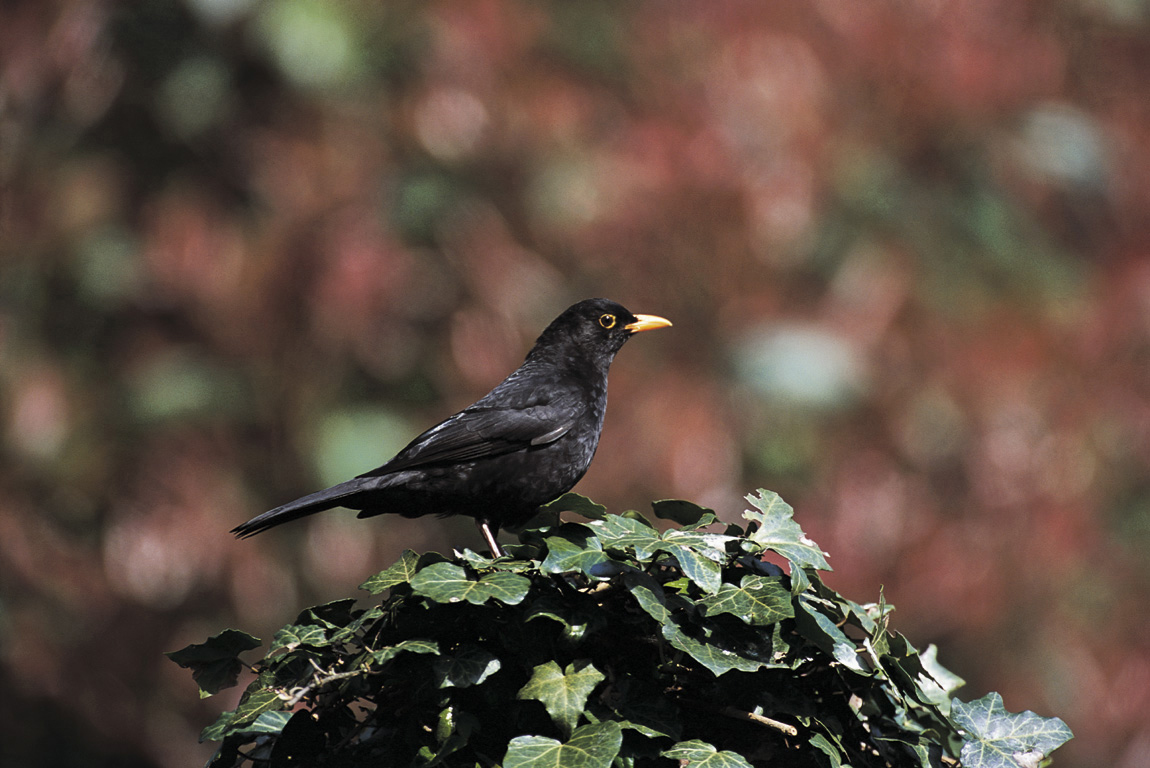
Blackbirds are among the UK’s year-round dwellers. Image: Chris Gomersall / RSPB
With the opportunity to spot and identify a variety of species across contrasting environments, garden or no, how best then to get the most out of this year’s Big Garden Birdwatch if you’re a city or town dweller? If time allows ahead of the event itself, consider how you might be able to make a welcome winter provision for birds while weather conditions are challenging.
If you do have a balcony or small outdoor space, is there scope to put out a hanging feeder? If yes, this is a great way to provide sustenance when natural sources may be scarce. Only put out small amounts and top up as needed, ensuring you get rid of uneaten food within 48 hours and clean the feeder thoroughly at least once a week.
Similarly, a fresh water source is vital to birds both for feeding and washing (clean feathers are essential to maintain waterproofing properties). Just remember to replace this every day and keep it from freezing.
Advertising helps fund Big Issue’s mission to end poverty
If space and time allows you to tend a pot or two, then equally don’t underestimate the power of planting for wildlife. Berry-bearing shrubs can be a lifeline for birds when cold weather and reduced daylight hours limit natural food sources – holly and ivy both produce berries which many species like blackbirds, robins and starlings may be very grateful to seek out.
If none of these longer-term actions are feasible, don’t worry – the only key action that we’re encouraging the public to take for Big Garden Birdwatch is to take just one hour out of the weekend of 23-25 January to look out of your window and record the maximum total for each bird species that lands on your patch.
We rely on varied recordings that represent the true diversity of the UK’s landscape and habitats, and every observation counts. Even if you don’t see any birds, your record still provides us with a vital puzzle piece of the wildlife snapshot that Big Garden Birdwatch creates.
The pecking order
In 2025, more than 590,000 people took part in the Big Garden Birdwatch, and they counted 9.1 million birds between them. These were the Top 5 most spotted.
Advertising helps fund Big Issue’s mission to end poverty
Change a vendor’s life this winter.
Buy from your local Big Issue vendor every week – and always take the magazine. It’s how vendors earn with dignity and how we fund our work to end poverty.