Advertising helps fund Big Issue’s mission to end poverty
Housing

The success of Andy Burnham’s rough sleeping pledge can’t be judged on Christmas Day. Here’s why

There will inevitably still be people sleeping rough at Christmas in England. But that doesn’t mean the prime minister’s pledge is a failure. A sustainable route off the streets can sometimes come from years of building up trust, writes St Mungo’s CEO Emma Haddad

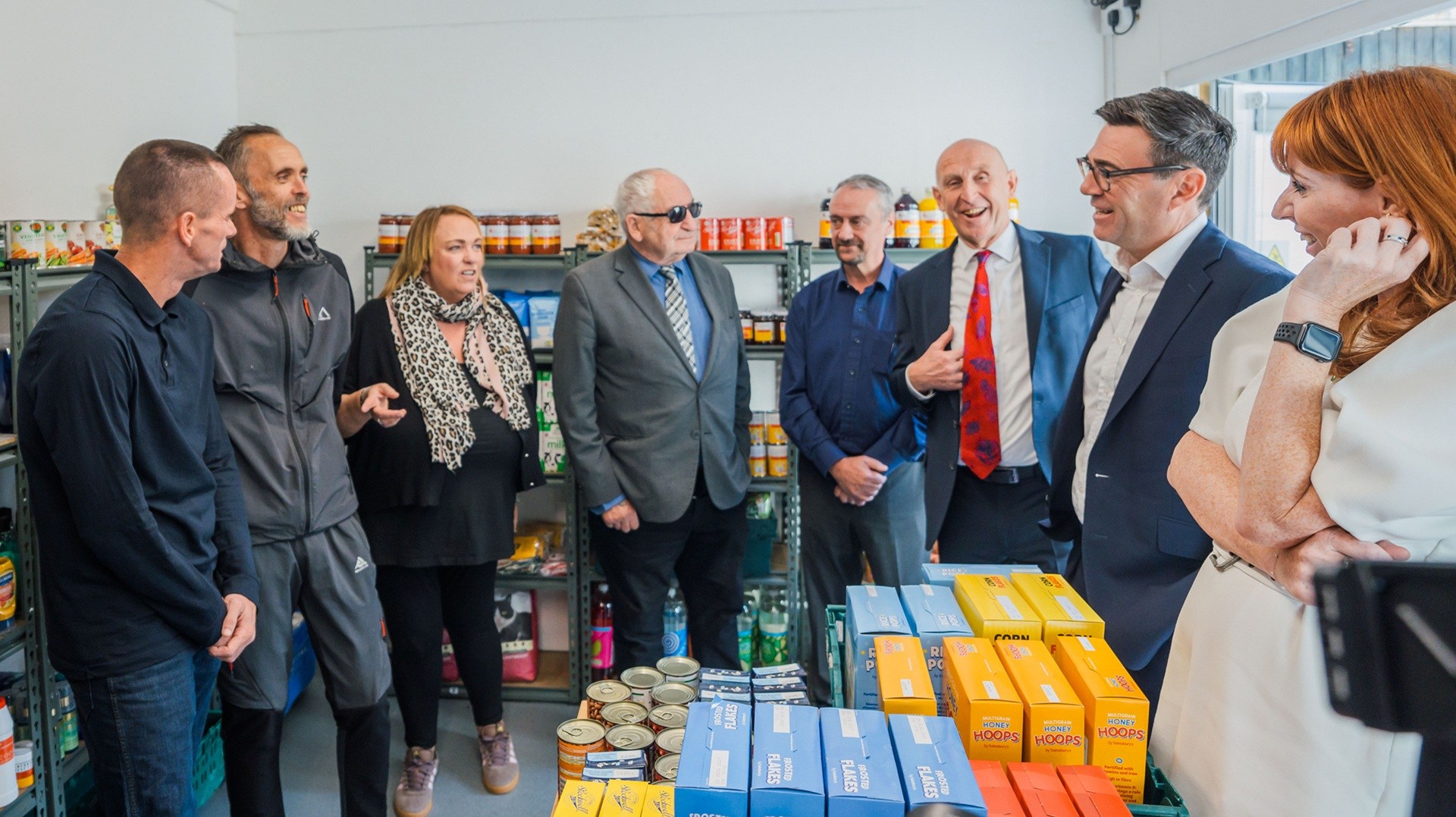
Prime minister Andy Burnham meets former rough sleepers at Independence Initiative alongside Lord John Bird, John Healey and Angela Rayner

Prime minister Andy Burnham meets former rough sleepers at Independence Initiative alongside Lord John Bird, John Healey and Angela Rayner. Image: Labour

For the first time in a long time, we have a prime minister making clear that rough sleeping is a moral tragedy that should have no place in modern Britain, and that a home is a basic necessity.  

The prime minister’s commitment to offer everyone rough sleeping a route off the streets by Christmas is welcome, but success cannot simply be measured by whether an offer is made. As I heard in discussions with homelessness minister Florence Eshalomi at Labour Party Conference, the government is rightly thinking beyond Christmas and recognising the importance of prevention and long-term support. The real test will be whether people are able to leave the streets and homelessness behind for good. 

For almost 60 years, St Mungo’s outreach teams have been supporting people sleeping rough with varying needs and life experiences. This can include women fleeing domestic abuse, who find themselves on the streets because they cannot access safe accommodation, or people who have been forced to leave their home because they can no longer afford their rent. Trauma, poor health and a distrust of services can make it harder to get help, turning one night on the streets into months, or even years, of rough sleeping. 

We have seen a heartbreaking increase in the number of people living on the streets of London for long periods. The most recent annual statistics from the Combined Homelessness and Information Network (CHAIN) showed that out of 13,000 people sleeping rough in London, one in four – that’s over 3,000 people – are considered to be sleeping rough long-term. People trapped on the streets for months or years face some of the greatest barriers to leaving homelessness behind and need sustained, tailored support to rebuild their lives. 

Read more:

Outreach that makes a difference

The offer away from the streets is predominantly made by outreach teams like ours at St Mungo’s, who often have the first engagement with people sleeping rough. What outreach teams are doing is about more than bringing people inside: it’s about listening, building trust and working alongside people to overcome barriers and find a safe, sustainable route off the streets that meets their needs.  

Advertising helps fund Big Issue’s mission to end poverty

First thing in the morning and last thing at night, St Mungo’s outreach teams use different forms of engagement to meet people where they are. Women may keep moving at night to stay safe or stay in unsafe accommodation just to be away from the danger of the streets for instance, making them less visible to support services and requiring a different, more proactive outreach response. 

When thinking about Andy Burnham’s route of the streets ambition by Christmas, we need to remember that people who have been rough sleeping for long periods might not always accept an offer of support immediately. That might be due to the complexities in need they’re facing or the lack of trust in services that have failed them before, often several times. We know that people who have been forced to sleep rough need a tailored approach; one which doesn’t judge their behaviour and understands why people might be distrustful of accepting support. Any new offer needs to understand what has gone before, so we avoid reinventing the wheel. Building trust can sometimes be a process spanning many months and years. 

Over time, we do see barriers begin to come down, but giving it time is crucial, so we would be wise not to judge success – or failure – by the number of people who will inevitably still be rough sleeping on Christmas Day.  

Keep reading the journalism that powers our mission

Register free to continue and learn more about the stories, campaigns and the support we provide, helping people facing poverty across the UK.

For example, the St Mungo’s Pan London Navigators Team has been supporting over 200 individuals who have been sleeping rough for long periods, often with intense trauma. Navigators might spend years just keeping in touch with someone on the pavement, before the moment when the person might be ready to ask for help. 

But support alone cannot overcome a severe shortage of genuinely affordable homes. We need housing available at every stage of someone’s journey, whether through supported housing, Housing First, social housing or a viable and affordable route into the private rented sector, backed by long-term funding and joined-up housing, health and social care. The prime minister’s ambition to create a national care service could be transformational here for those experiencing homelessness.  

No one-size-fits-all solution

Everyone experiencing homelessness has their own life experiences. Delivering this plan will require tailored support and housing, not just until Christmas, but for as long as people need it.

Advertising helps fund Big Issue’s mission to end poverty

Success cannot be measured by whether an offer was made, but by whether that offer and everything that follows supports people to leave the streets and homelessness for good, not least those with long histories of rough sleeping who have traditionally faced the greatest barriers to ending their homelessness. 

Emma Haddad is CEO at St Mungo’s


Do you have a story to tell or opinions to share about this? Get in touch and tell us more. 

Change a vendor’s life.

Buy from your local Big Issue vendor every week – and always take the magazine. It’s how vendors earn with dignity and move forward.

You can also support online:
Subscribe to the magazine or support our work with a monthly gift. Your support helps vendors earn, learn and thrive while strengthening our frontline services.

Advertising helps fund Big Issue’s mission to end poverty

Thank you for standing with Big Issue vendors.

Advertising helps fund Big Issue’s mission to end poverty

Do you know how Big Issue 'really' works?

Watch this simple explanation.

Recommended for you

View all
Is it fair to ask a homeless person to give up their pet to get a home? Half of Brits say no
Big Issue vendor, Alfie Brew on his pitch at Co-op, St Thomas, Exeter
Housing

Is it fair to ask a homeless person to give up their pet to get a home? Half of Brits say no

A disabled Big Issue vendor has launched legal action to get an accessible home: 'I've had enough'
Big Issue vendor Jason Sallis pictured in his overgrown garden
Accessible homes

A disabled Big Issue vendor has launched legal action to get an accessible home: 'I've had enough'

'I don’t fit the stereotype of a homeless person. My story shows how it can happen to anyone'
Dr Karishmeh Felfeli-Crawford
Homelessness

'I don’t fit the stereotype of a homeless person. My story shows how it can happen to anyone'

If we are serious about ending rough sleeping, we must be honest about what needs to be done
From left to write: Big Issue founder Lord John Bird with Labour MP Paula Barker and Big Issue vendor Nathan Dale
Housing

If we are serious about ending rough sleeping, we must be honest about what needs to be done