The decent homes standard has been applied to social housing for some time and will be updated as part of the government’s reforms.
The decision to introduce the standard to the private rented sector is a response to renters being most likely to live in substandard homes.
One in five private rented homes in England are classed as “non-decent”, according to the English Housing Survey.
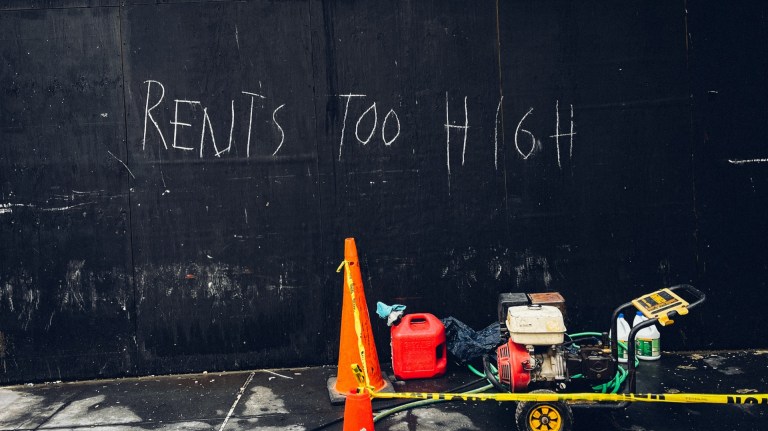
And that’s despite private rents continuing to hit record-highs with monthly payments still rising above wider inflation despite slowing increases.
Sarah Elliott, chief executive of Shelter, said: “It’s outrageous that millions of renters are stuck paying hand over fist for often shoddy homes that pose a real danger to their health. Now, to add insult to injury, renters are being asked to wait almost an entire decade for the basic protection of a decent home.
“Today, more than one million private rented homes across the country are in poor condition, including 337,000 families with children. Many are left feeling utterly hopeless as they watch damp and mould climb the walls. They know a complaint will likely be met with silence because there is nothing to stop landlords from sitting on their hands while problems fester.
Advertising helps fund Big Issue’s mission to end poverty
“Let’s be clear, renters simply can’t wait this long for decent homes. Building on the vital changes in the Renters’ Rights Act, the government must ensure renters’ homes are safe to live in now, not in 2035, while supporting councils to bring rule-breakers to book by properly funding local authority enforcement teams.”
In the Ministry of Housing, Communities and Local Government paper, housing minister Matthew Pennycook said the decent homes standard’s introduction in 2001 has seen millions of social housing residents’ homes “upgraded, made safer, and maintained to a good standard”.
Pennycook said updating and extending the standard would mean “no tenant should have to live in unsafe conditions for any amount of time, and social and private landlords should act as quickly as possible to ensure their properties are decent”.
Read more:
But the Labour minister said he recognised the “significant challenges” landlords face due to regulatory changes.
Ben Beadle, chief executive of the National Residential Landlords Association, said: “Providing a decent, safe place to live should be the top priority for any landlord. Whilst we will study the detail carefully, we broadly welcome the government’s plans, which provide much-needed clarity for both landlords and tenants about the standards that should be expected of homes to rent.
Advertising helps fund Big Issue’s mission to end poverty
“That said, all the standards in the world will mean nothing without robust enforcement to back them up. It is time to ensure enforcement is properly funded and targeted, so that the cost of action falls on those breaking the rules, not the responsible majority of landlords already doing the right thing.”
But for tenants already disillusioned at the pace of rental reforms – or living in damp, mouldy rental homes – the wait is another blow.
Paul Shanks, press officer at the Renters’ Reform Coalition, said: “The government’s lack of urgency gives those landlords a green light to continue profiting from rotten homes, and will have real consequences for the health and wellbeing of millions of tenants.”
Do you have a story to tell or opinions to share about this? Get in touch and tell us more.
Change a vendor’s life this winter.
Buy from your local Big Issue vendor every week – and always take the magazine. It’s how vendors earn with dignity and how we fund our work to end poverty.
Advertising helps fund Big Issue’s mission to end poverty
You can also support online with a vendor support kit or a magazine subscription. Thank you for standing with Big Issue vendors.