Choose your Big Issue newsletters: The stories we’re investigating, the change we’re fighting for, and the ways you can get involved and help make it happen.
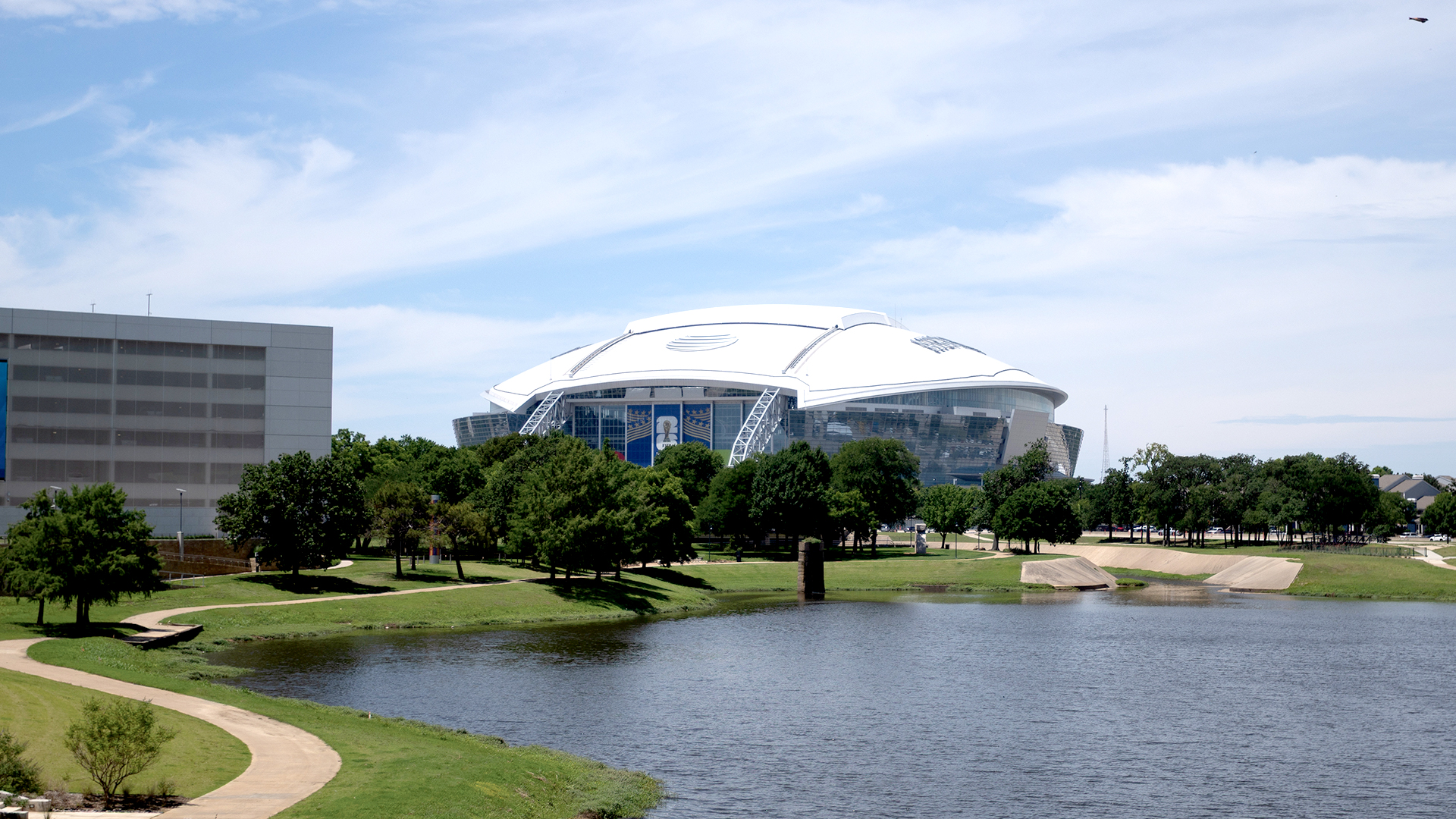
AT&T Stadium in Arlington is home of the Dallas Cowboys and will host World Cup 2026 fixtures. Image: Daniel McGregor-Huyer / ZUMA Press Wire / Shutterstock
Share
As the FIFA World Cup kicks off in Trump’s America, the president’s catastrophic record looms over the planet’s biggest sporting spectacle. But political footballs aside, there is still reason to be excited, especially when both England and Scotland have qualified. And even if there are no goals on the pitch where the home nations are playing, host cities are scoring.
Boston
When fans turn up to Boston to watch Scotland take on both Haiti and Morocco, or England versus Ghana, they might be thinking of the city’s famous on-screen depictions: the mob warfare of The Departed, the high-stakes crime of The Town or the gangland saga Black Mass. But a real-life approach to gang violence has given the city a different legacy.
At the turn of the 1990s, youth homicide tripled in the space of a few years. Dozens of young people were murdered each year. As the city struggled to tackle this, an approach was born which is now saving lives in the UK.
When Operation Ceasefire was introduced in 1996, the insight was this: deal with gangs as a group. Tell them that if they turn towards the light help will be there. But keep treading the path of criminality and the whole group will be in the spotlight. Gang members are presented with evidence of the impact of their actions, the testimony of victims and the fates of their peers.
It led to the ‘Boston Miracle’, as youth murders fell by 63%. The concept spread around the world.
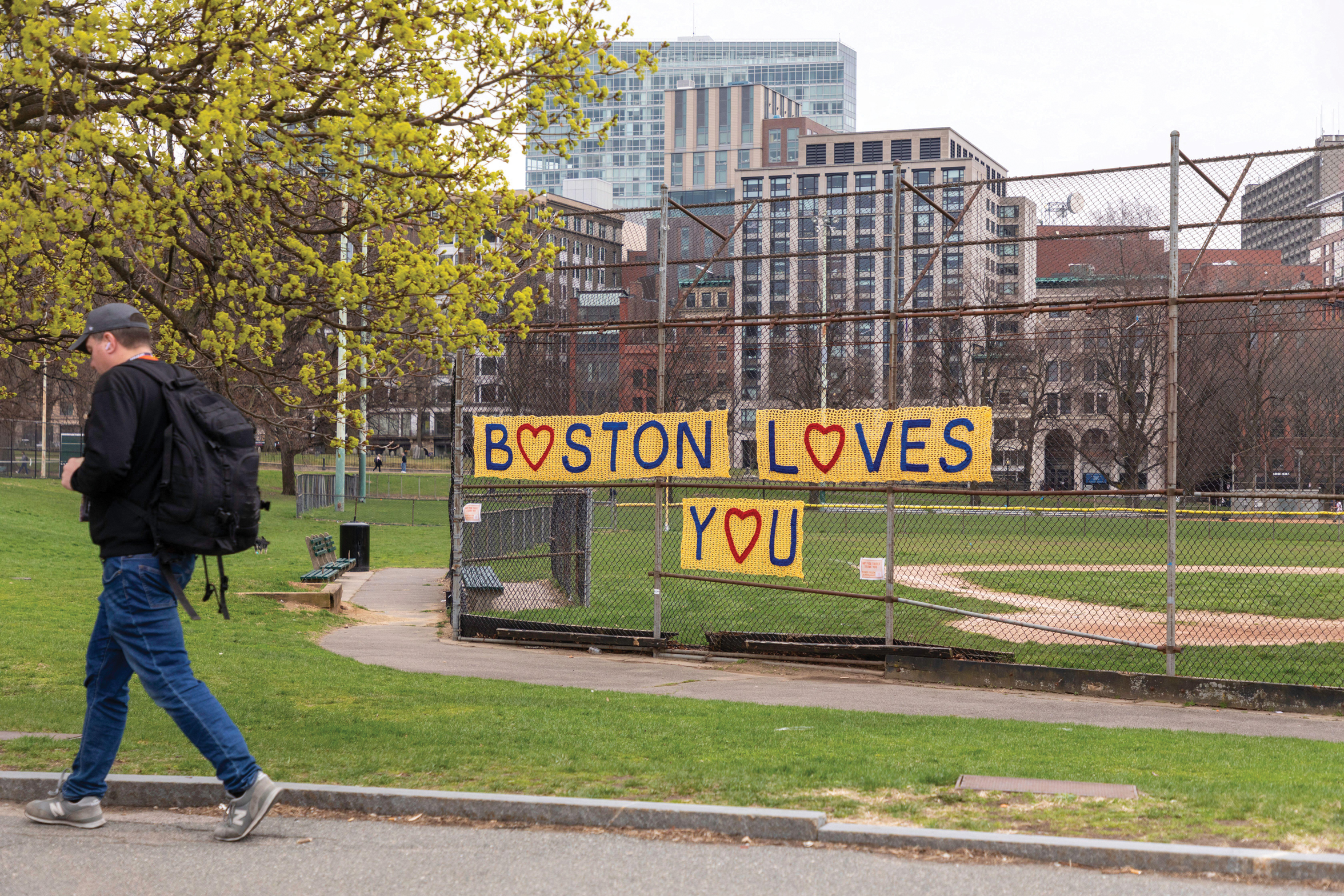
Boston will host seven World Cup 2026 matches. Image: Colin N. Perkel / Alamy
Wanting to reduce gang violence in Glasgow in the mid-2000s, the Scottish city’s leaders turned to Boston’s model. Glasgow’s Community Initiative to Reduce Violence ran from 2008-12, mapping gangs and making their members hear testimonies from victims’ families.
Advertising helps fund Big Issue’s mission to end poverty
Advertising helps fund Big Issue’s mission to end poverty
Authorities worked with the gang as a unit, and offered employability as a route out of violence. It led to a 50% reduction in violent offending. From there, Northamptonshire Police adopted the model in 2019, leading to a 40% fall in offending, and London mayor Sadiq Khan took up the baton with an anti-violence unit.
New Jersey
New Jersey will be home to Panama v England on June 27 and the big showdown: the World Cup Final on 19 July. New York’s neighbour is finding a new reputation for its fight against the housing crisis.
In excess of 200,000 new homes are needed to fight the affordability crisis in New Jersey, by one estimate. But a 2024 law has managed to remove some of the barriers which so often make housing hard to build.
It gives town halls a solid idea of what they must do, and in turn limits the reasons they can reject affordable housing.
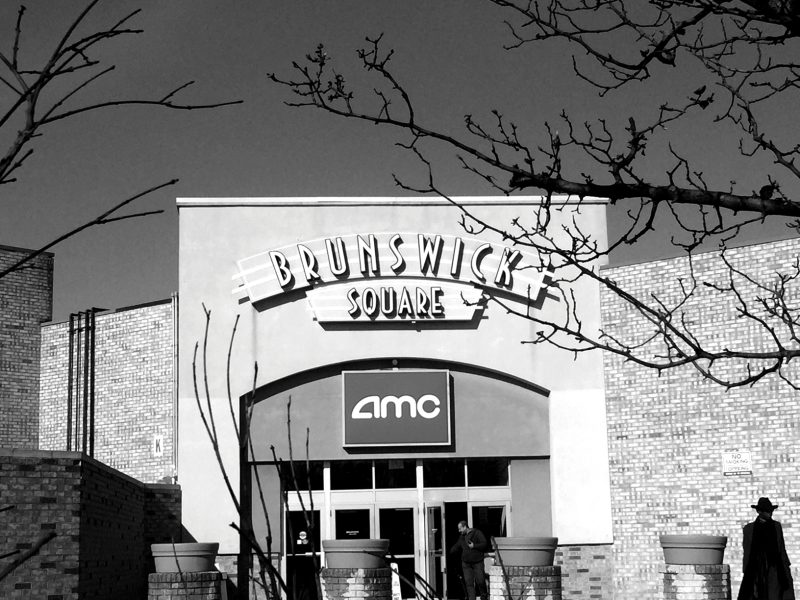
Brunswick Square in New Jersey.
Alongside housing, it means some of the state’s wider social issues are being addressed – more affordable housing can reverse traditional segregation in housing, and also provide a platform for domestic violence survivors to rebuild.
The result is a new generation of affordable homes coming in New Jersey. Fans wanting to break up the football with trips to prospective projects can visit a mall in East Brunswick, which is being redeveloped for 25 affordable homes.
Advertising helps fund Big Issue’s mission to end poverty
While it hasn’t been fully smooth – some towns have fought back on the grounds they don’t have the infrastructure to support more houses – it has been described as a “sea change” in actually getting affordable homes built. In March, 400 of New Jersey’s 564 municipalities met a deadline to set out their plans for affordable homes.
Dallas
Homelessness has been rising in the UK in recent years, with stats reflecting a growing number with nowhere to go but pavements, sofas, and temporary accommodation. Perhaps there are lessons to be learned from Dallas.
Homelessness there has dropped by 23% in the past five years, falling in each consecutive year. In downtown Dallas, street homelessness has fallen by 87% since September 2024. How have they done it?
Instead of simply clearing street encampments away, the Street to Home initiative has seen homelessness services, mental health teams and police officers working together. By identifying barriers to housing and getting people into accommodation, they work to reduce the need for encampments in the first place.
In total, 23,000 people have been helped off the streets since 2021.
Yet the future is not so certain. There’s talk of a property tax being levied to fund the work in coming years. And as the World Cup rolls into town, with England playing Croatia in nearby Arlington on June 17, an extra $10 million in cash came with pressure to get people off the streets before the fans show up. The cash has been labelled ‘FIFA clean-up money’, and questions remain over whether the result will be temporary solutions or lasting change for people on the streets.
Advertising helps fund Big Issue’s mission to end poverty
The Tartan Army will descend on Miami on 24 June, hoping Scott McTominay, John McGinn and co can unleash a blue wave of goals onto their Brazilian opponents. The city’s residents will be more concerned about blue waves made of water. Rising sea levels threaten Miami, coming up by eight inches since 1950 and now increasing an inch every three years. Over half of Miami-Dade, the county the city lies in, could be under water by the 2060s.
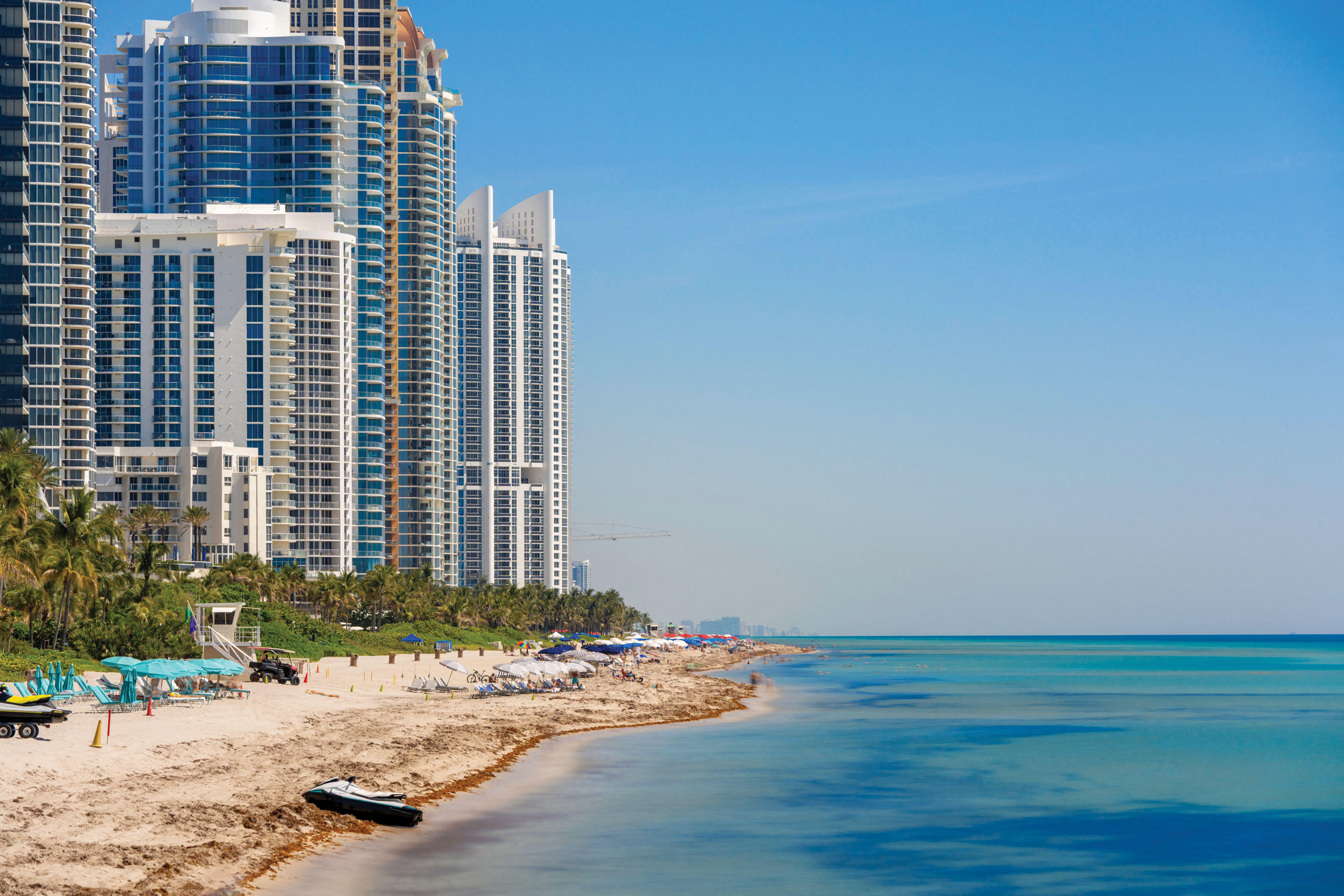
Sunny Isles Beach, Florida. Image: felix mizioznikov / Alamy
Beyond the obvious, tourism, property values and insurance could all be hit. One in four homes in the US which are threatened by sea level rises are in Miami-Dade. Florida’s lawmakers admitted in 2019 they had “lost a decade” on climate change, and flooding is already becoming more common. Inequality is a core concern: rich residents can protect their homes in a way poorer neighbours can’t. One proposal was a $6 billion, six-mile long, 20-foot-high sea wall. But other, innovative solutions are being floated.
Restoring mangroves could prove cheaper than sea walls. When Storm Irma hit in 2017, mangroves prevented $1.5 billion in damage – but the extreme climate event also damaged the plants. Inspired by mangroves, a ‘living seawall’ on Miami beach is being built with a robot which can 3D print a 10-foot-long concrete segment in an hour. Its plant-like texture allows space for nature to grow.
Alongside this, a team of architects and marine biologists are designing tiles for seawalls. The BIOCAP system has homes for oysters, barnacles, and more – resulting in better water quality and more plant life. Whereas flat seawalls bounce energy back and increase waves, the life growing on the tiles can absorb energy and calm the seas.
Advertising helps fund Big Issue’s mission to end poverty
Change a vendor’s life.
Buy from your local Big Issue vendor every week – and always take the magazine. It’s how vendors earn with dignity and move forward.
You can also support online: Subscribe to the magazine or support our work with a monthly gift. Your support helps vendors earn, learn and thrive while strengthening our frontline services.
Thank you for standing with Big Issue vendors.
Advertising helps fund Big Issue’s mission to end poverty