The politician set out this stall alongside plans for a British ICE-style ‘deportation agency‘, so they’ve been less addressed. But if elected, Reform says it would grant automatic listed status to all churches, preventing their character from being altered. The party claims 41 places of worship have become mosques in recent years – with “many, many more” cases in planning permission.
So is the ‘incendiary practice’ really happening? Not really.
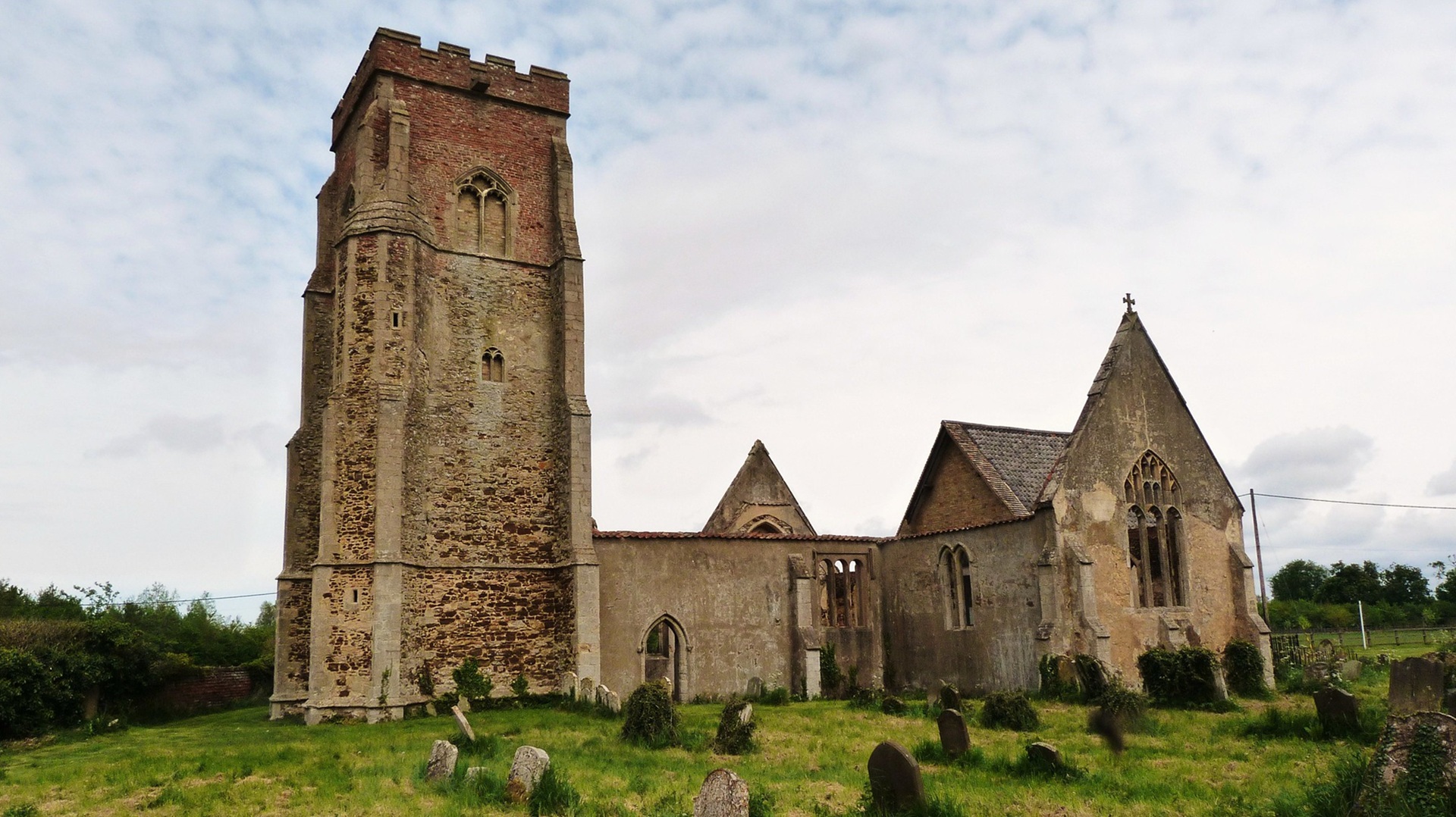
There are around 38,500 churches in the UK, including 16,000 belonging to the Church of England. Since 1968, only two CofE churches have been sold and converted into another place of worship – both becoming Sikh gurdwaras. Another, St Mark’s in Peckham, became a mosque, but only after it had been closed for Christian worship for more than a decade.
Nigel Walter, an expert in church law and governance, says it is already “almost impossible” to turn a Church of England church into a mosque. Walter is also an architect and a Trustee of the National Churches Trust.
“If people are thinking, my village church is going to become a mosque, which is probably the impression that Reform are trying to give, there are all sorts of ways in which that really effectively could never happen,” he told Big Issue.
That is because Church of England buildings are consecrated and, when sold, subject to restrictive covenants that typically prevent use by another religion. Other denominations operate differently.
Advertising helps fund Big Issue’s mission to end poverty
“In the Church of England, church building is consecrated, so it’s made special, if you like,” Walter said. “That’s not the case in Methodism and most of the non-conformist denominations.”
“It’s a church for as long as you choose to call it a church, and as soon as you shut the door and move on, and that makes it much more amenable to conversion.”
That distinction likely explains Reform’s claim that 41 churches had been converted into mosques. Some former Methodist, United Reformed, Seventh-day Adventist and Plymouth Brethren churches have been converted into mosques. But these are rarely listed medieval parish churches.
“The sort of churches that I can imagine have become mosques – methodist churches and the like are often buildings that look like a 1960s village hall. So effectively, why not? Why shouldn’t they become mosques? But that’s completely different to the grade one village chocolate box which is what Reform are clearly trying to imply.”
In reality, church closures are neither new nor driven by mosque conversions. Over the past 50 years, around 8,500 churches have closed. Most redundant buildings become bars, shops, community centres, and – as any Grand Designs viewer knows – homes. There has been little political uproar about those conversions.
Yusuf also argued that the UK is losing its Christian values because of the “sheer quantities of people that came to the country in a short period of time”.
Advertising helps fund Big Issue’s mission to end poverty
It is true that Christian affiliation is declining. In the 2021 census for England and Wales, less than half of the population identified as Christian for the first time at 46.2%, down from 59.3% in 2011. More than a third (37.2%) said they had no religion, up from 25.2% a decade earlier. Only around 5% of the population actively attends church.
But migration has not hollowed out Christianity. In fact, large numbers of migrants to the UK are themselves Christian: around 1.2 million Christians arrived between 2001 and 2011, and a further 1.9 million between 2011 and 2021. Migration has therefore helped sustain Christian numbers even as overall affiliation has declined.
It is also true that the Muslim population has grown over the same period, rising from 4.9% of the population in England and Wales in 2011 to 6.5% in 2021. But that shift reflects both migration and higher birth rates, and does not equate to churches being displaced.
Britain’s declining affiliation is primarily the result of secularisation, ageing congregations and the high cost of maintaining historic buildings without much government support – not immigration. Adaptive reuse as housing or community space is far more common than religious-to-religious conversion, and no national heritage body centrally tracks “mosque conversions”.
Granting blanket listed status would not reverse long-term trends in religious affiliation or church attendance.
“This story is just trying to tap into a certain political sensibility,” Walter said.
Advertising helps fund Big Issue’s mission to end poverty
Do you have a story to tell or opinions to share about this? Get in touch and tell us more.
Change a vendor’s life this winter.
Buy from your local Big Issue vendor every week – and always take the magazine. It’s how vendors earn with dignity and how we fund our work to end poverty.
You can also support online with a vendor support kit or a magazine subscription. Thank you for standing with Big Issue vendors.