That assumption has affected more than just the way people react when I tell them about my condition. It has also affected how seriously my needs have been taken.
Not long after my diagnosis, I applied for a Blue Badge. I still work and do everything I can to remain independent, but Parkinson’s affects my mobility every day. I experience stiffness, muscle pain, balance problems, fatigue and dizziness. Some days are manageable; others are much harder.
At my first Blue Badge assessment, I was told I seemed “too young” to have Parkinson’s. The assessor also appeared surprised that I didn’t have a tremor.
Keep reading the journalism that powers our mission
Register free to continue and learn more about the stories, campaigns and the support we provide, helping people facing poverty across the UK.
I left feeling upset and frustrated. I had gone there hoping someone would take the time to understand how Parkinson’s affected me. Instead, I felt as though I was being judged against an idea of what someone with Parkinson’s should look like.
My application was rejected.
The problem with Parkinson’s is that it doesn’t always look the way people expect. Not everyone has a tremor. Not everyone is elderly. And just because someone can walk on one day doesn’t mean they can manage the same distance the next.
My symptoms fluctuate. I might manage reasonably well one morning and struggle to get out of the car or walk across a car park the next. Medication can wear off, muscles can stiffen and fatigue can make even short journeys difficult.
But how do you explain all of that in an assessment?
I complained about the decision, but the experience knocked my confidence. It took months before I felt ready to apply again.
The process was exhausting. There were forms to complete online, supporting evidence to upload and questions that didn’t always reflect what it was like to live with a fluctuating condition.
“How far can you walk?” sounds like a straightforward question. For me, it isn’t. Sometimes I can manage a reasonable distance. Sometimes my muscles stiffen or my medication wears off, and walking becomes a struggle.
Trying to fit that reality into a form or a single assessment felt impossible.
When I eventually went for a second assessment, I was so anxious that I took my walking stick with me for reassurance.
Thankfully, this time was different. The assessor listened, asked questions about my Parkinson’s and took the time to understand how it affected my daily life. I felt heard.
My application was approved.
It shouldn’t have taken two assessments for me to feel that someone understood my condition.
Having a Blue Badge has made an enormous difference to my life. Before I had one, every trip out involved worrying about where I would park, whether I would be able to get out of the car and how far I would have to walk.
People often think a Blue Badge is simply about parking closer to the shops or wherever you need to go. For me, it is also about having enough room to get in and out of the car safely.
I remember going to Lakeside and finding that someone had parked so close to my car that I couldn’t get in through the driver’s door. I had to climb across from the passenger side, which was incredibly difficult and painful.
On another occasion, a man shouted at me for taking up too much space in a car park. I explained that I had Parkinson’s and needed the room. He wasn’t interested.
These experiences stay with you. You start to feel that you have to justify yourself, even when you are simply trying to get on with your day.
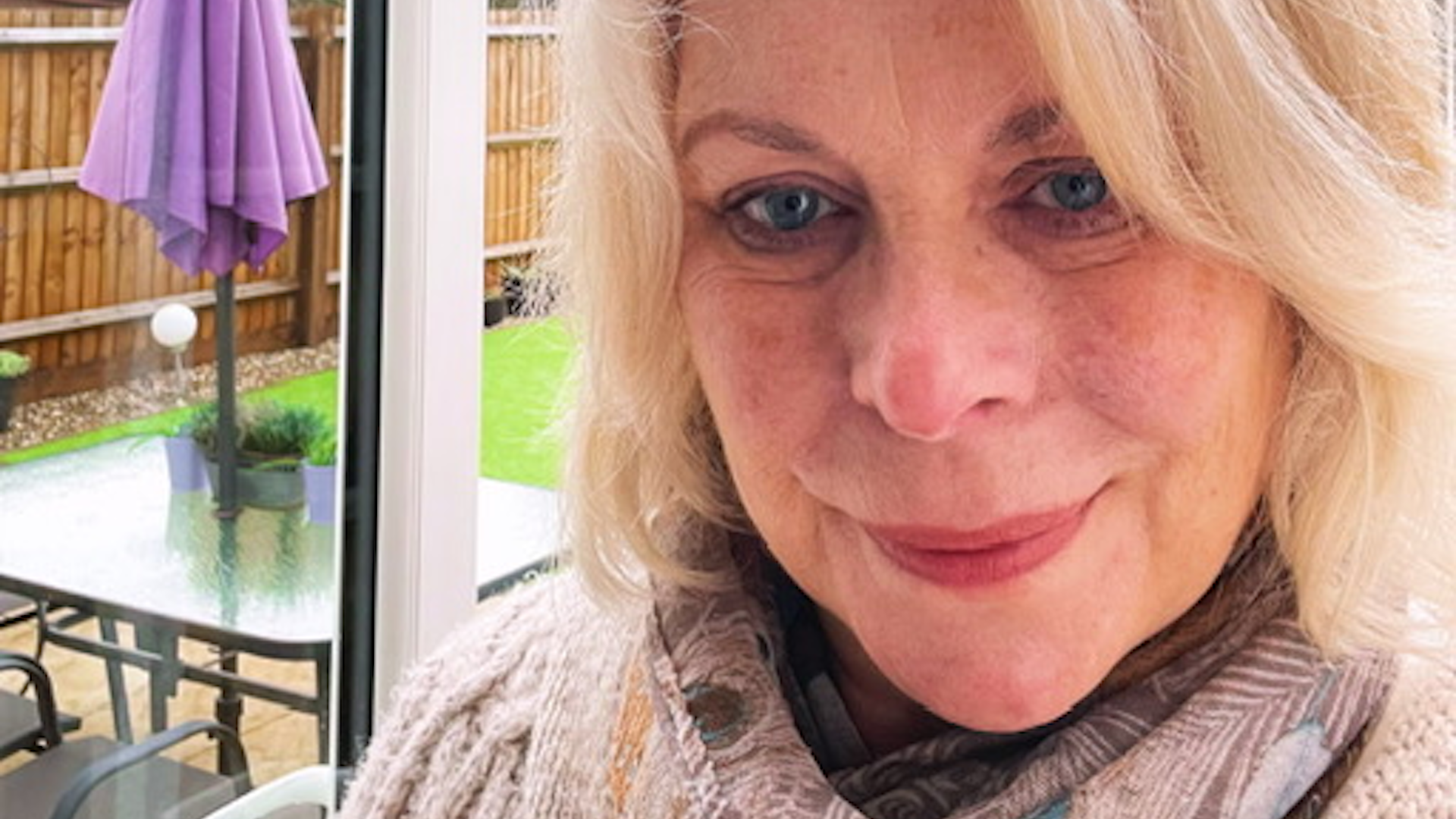
Parkinson’s is often invisible to other people. They see a woman who looks relatively young and assume she is fine. They don’t see the pain, the stiffness, the balance problems or the exhaustion. They don’t see how much effort it can take to do things other people barely think about.
And when the condition doesn’t fit their expectations, you can find yourself having to prove that you need help.
I know I was fortunate in the end. I got my Blue Badge, and I have a brilliant Parkinson’s nurse, a supportive neurologist, understanding colleagues and family and friends who are there for me.
But I can’t help wondering about the people who don’t get the outcome I did. What happens to someone who is already struggling with their health, then has to find the energy to challenge a decision, gather more evidence and go through another assessment? What happens if they don’t have the confidence or support to try again?
Nobody should have to fight that hard to be believed.
A Blue Badge might seem like a small thing to someone who has never needed one. But when your mobility is affected by a progressive condition, being able to park safely can make the difference between going out and staying at home.
For me, it means being able to keep working, see people and do the things that matter to me. It means holding on to some independence at a time when Parkinson’s can make everyday life feel unpredictable.
I don’t expect people to understand everything about Parkinson’s. But I do expect them to listen rather than make assumptions about what I can and can’t do based on my age or how I look.
Getting a diagnosis was hard enough. I shouldn’t have had to convince someone that I was young enough to have Parkinson’s, or struggle to prove that it affected my ability to walk.
I was fortunate to get my Blue Badge in the end. But access to independence shouldn’t depend on whether you get lucky with the person assessing you.
A Department for Transport spokesperson said: “The Blue Badge scheme is a vital lifeline for many disabled people, and we are committed to ensuring it reaches those who genuinely need it. Decisions on individual cases are a matter for local authorities and we expect councils to assess applications fairly.”
Do you have a story to tell or opinions to share about this? Get in touch and tell us more.
Change a vendor’s life.
Buy from your local Big Issue vendor every week – and always take the magazine. It’s how vendors earn with dignity and move forward.
You can also support online:
Subscribe to the magazine or support our work with a monthly gift. Your support helps vendors earn, learn and thrive while strengthening our frontline services.
Thank you for standing with Big Issue vendors.