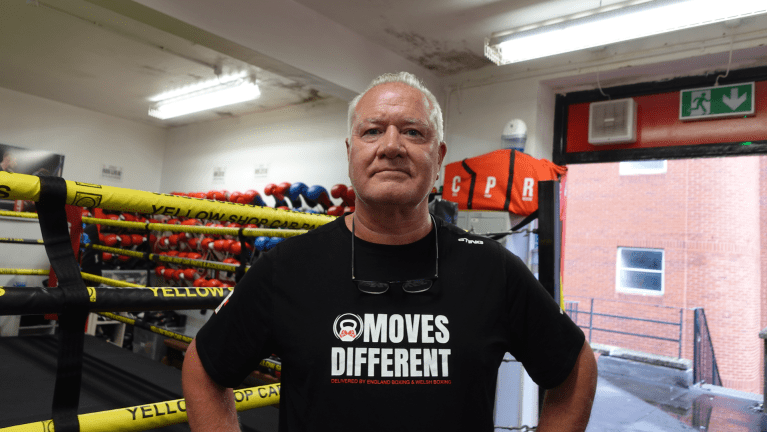
“Many of the people we support are dealing with serious illness, poor mental health, caring responsibilities or financial hardship. Some struggle to understand complex correspondence.
“Others are overwhelmed by their circumstances and stop opening letters altogether. From the outside, that can sometimes look like non-engagement. In reality, it can be a sign that somebody needs support.”
The majority of benefit overpayments are due to fraud, mostly because of under-declaration of work undertaken. Around £5.2 billion of universal credit was overpaid due to fraud in the financial year ending 2025.
Continue reading for free
Registration is free and takes less than 30 seconds.
Our supporters make Big Issue’s work possible. Join us to see the impact we’re having together and discover more ways to help people facing poverty access income, opportunity and support.
However, there are overpayments made due to innocent errors made by the claimant. Around £610 million was lost to claimant error in that financial year.
Meanwhile, £540m was overpaid due to errors made by the DWP itself.
Big Issue has reported previously on the impact of overpayments. People told us that they have been left with “nothing to live on” after the DWP started taking back their benefit payments. Overpayments can be tens of thousands of pounds, suddenly putting people in significant debt.
Advertising helps fund Big Issue’s mission to end poverty
DWP has also made mistakes in accusing people of benefit overpayments. One woman was wrongly accused of owing the government £28,000, a debt which was overturned after the Big Issue contacted the DWP.
Another woman, a single mother, was told she owed the DWP more than £12,000 – when in reality, she was actually owed more than £2,000 by the government.
People in similar circumstances could be punished under the new measures planned by the DWP.
Andrew Western, work and pensions minister for transformation, said in the announcement: “Hardworking taxpayers deserve a system that pursues those who deliberately dodge their debts, and that is exactly what these new powers deliver.
“To anyone with an outstanding debt – our door is open and DWP will always work with you to find an affordable way to repay. But for those who can pay and won’t – we’re going further than ever before to claw back cash and crack down on fraud.”
The Public Authorities (Fraud, Error and Recovery) Act, which became law in 2025, gives the DWP powers to “go directly to a person’s bank to claw back cash owed, without needing a court order”.
Advertising helps fund Big Issue’s mission to end poverty
Cabinet office minister Satvir Kaur said: “Under these new powers in the PAFER Act, this government will deliver on its promise to protect hardworking taxpayers and clamp down on those who try to cheat the system.”
Enforcement of the powers will be rolled out gradually from October 2026, with debtors now in their final window to pay back the cash and sort out an affordable repayment plan before the deadline.
Courts will only be able to impose a driving ban where the debt is at least £1,000 and no one will be disqualified if they have an essential need for their licence, such as if they rely on driving for work or caring responsbilities.
Do you have a story to tell or opinions to share about this? Get in touch and tell us more.
Change a vendor’s life.
Buy from your local Big Issue vendor every week – and always take the magazine. It’s how vendors earn with dignity and move forward.
Advertising helps fund Big Issue’s mission to end poverty
You can also support online:
Subscribe to the magazine or support our work with a monthly gift. Your support helps vendors earn, learn and thrive while strengthening our frontline services.
Thank you for standing with Big Issue vendors.