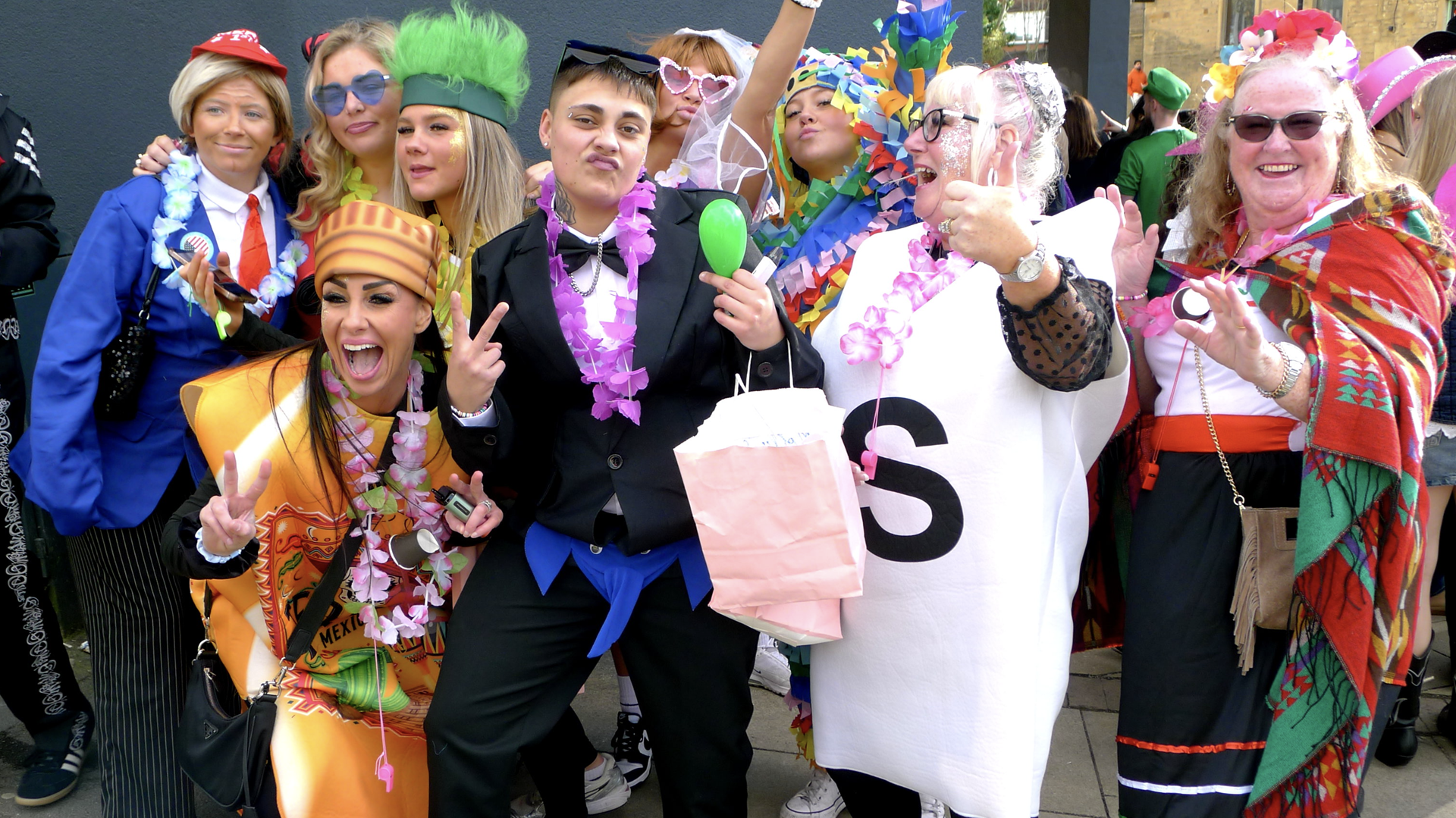
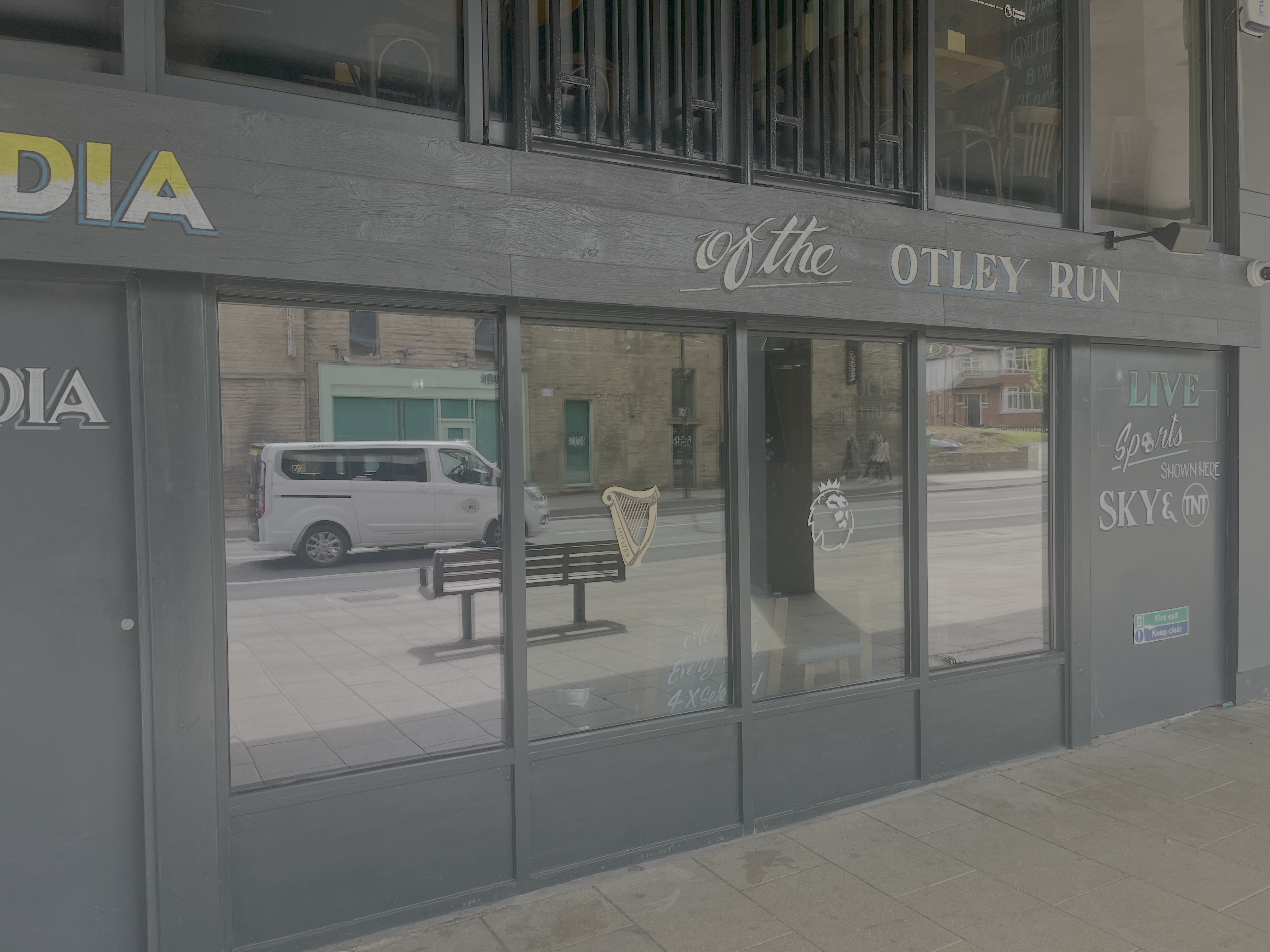
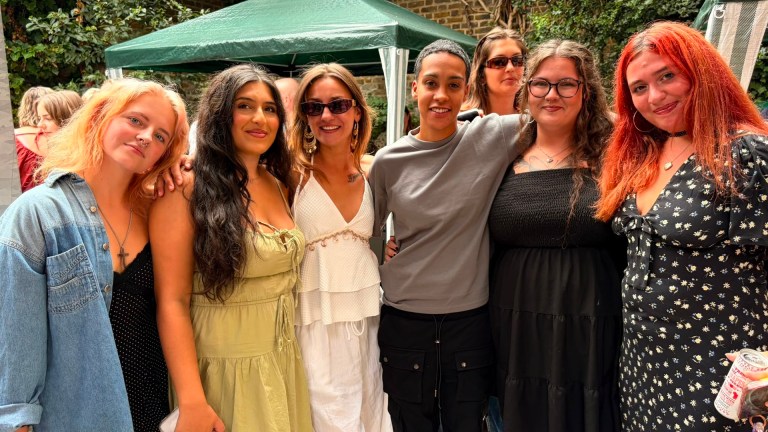
Revellers on the Otley Run pub crawl in Leeds. Image: James W Bell
Share
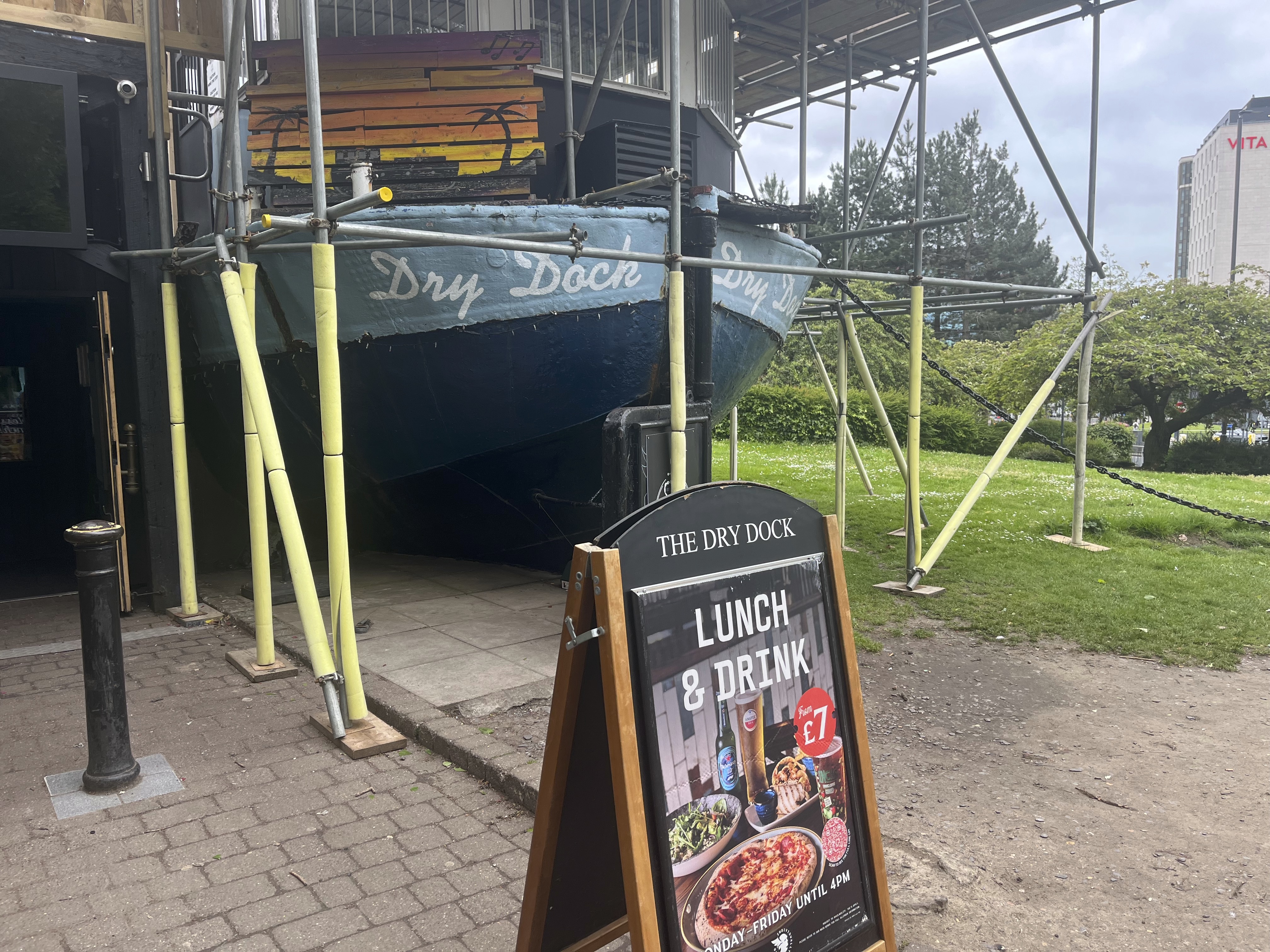
Most nights in Leeds, there is a strong chance of spotting pubgoers dressed as the Scooby Doo gang, pirates or bumblebees taking on the famous Otley Run pub crawl. The 2.5-mile route includes 18 pubs, from Woodies Craft Ale House in Far Headingley to the boat-shaped Dry Dock near the city centre.
It has kept university students and locals entertained since the 1960s – but research has uncovered a bleak reality lurking in the backdrop of the Otley Run.
There is a 14-year difference in life expectancy for residents who live at either end of the pub crawl.
Dry Dock, the boat-shaped pub in the city centre which is the last stop on the Otley Run pub crawl. Image: Big Issue
People born in leafy Far Headingley and Weetwood are expected to live around 14 years longer than their neighbours who live near the city centre in Hyde Park and Headingley, according to the Health Foundation’s analysis of Office for National Statistics figures.
The stretch of the pub crawl is roughly the distance of around 38 football pitches, and it would take most people less than 50 minutes to walk it (without stopping at pubs on the way). So, why is there such a difference in life expectancy between the locations? Big Issue has come to the Otley Run route to find out.
Advertising helps fund Big Issue’s mission to end poverty
Advertising helps fund Big Issue’s mission to end poverty
“Between those two areas, you’ve got densely populated private rented sector or nice spacious houses with big gardens. You’ve got a big difference there in terms of the conditions that people are living in,” says Balwinder Kaur, who has worked for Leeds charity Health for All for 21 years.
Far Headingley and Weetwood is the more affluent, suburban and green of the areas. There is a higher proportion of large detached and semi-detached houses, many of them family homes, while residents are packed closer together in Hyde Park and Headingley.
The city centre is the heart of university life in Leeds, and students frequently move in and out. It gives vibrancy, but residents say it hides poverty.
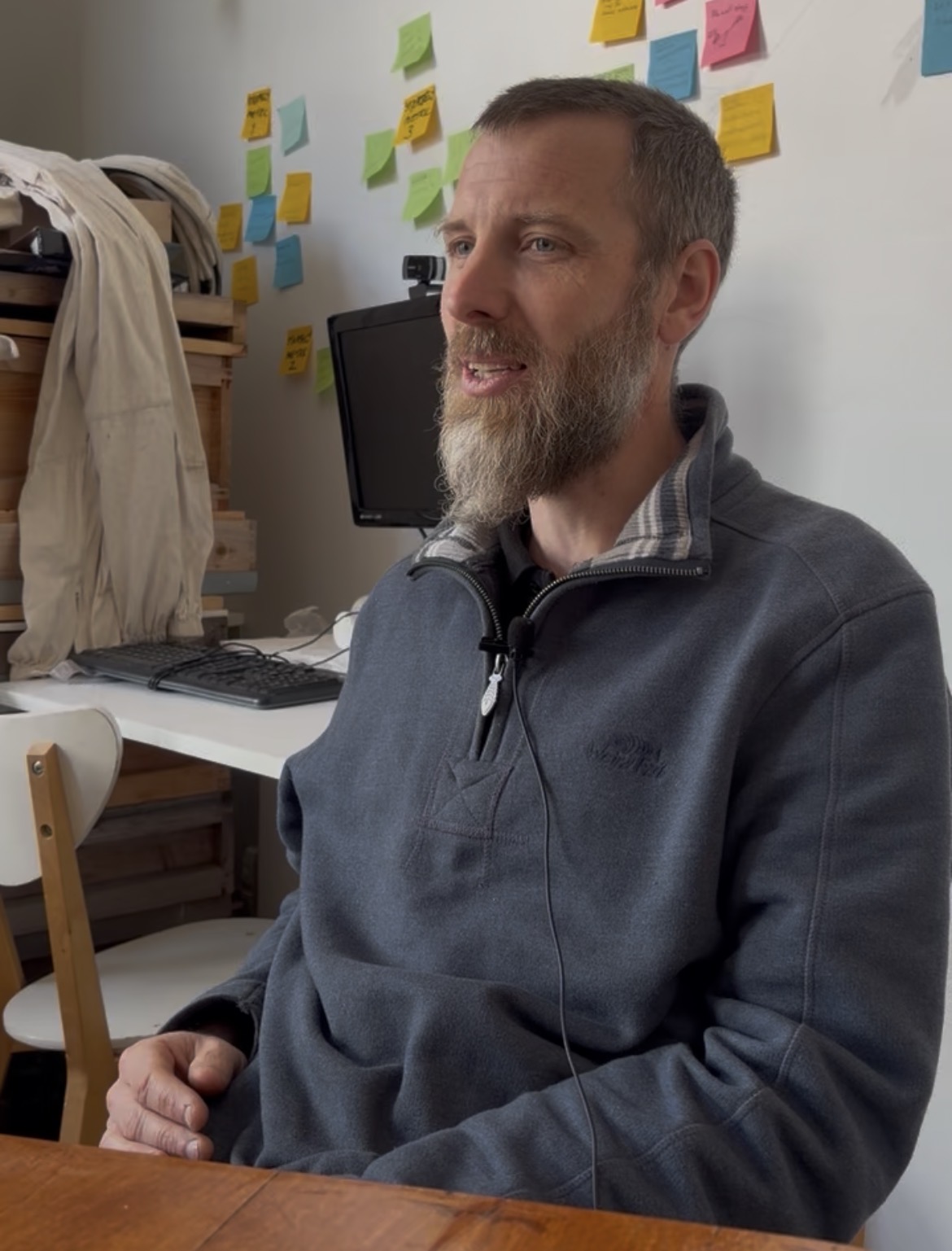
Pete Tatham, of Hyde Park Source. Image: Big Issue
“I’ve lived or worked here since I came to Leeds in 2000,” says Pete Tatham, project director of Hyde Park Source, which supports people with their health and wellbeing through community gardening. “It’s quite a unique area. It’s got a really high student population which skews demographics. It means there’s quite a lot of hidden poverty.”
Tatham says that the levels of hardship became most apparent to him during the pandemic, when Hyde Park Source was a community care hub helping vulnerable locals.
“It’s people who are isolated. They are staying in their homes,” Tatham says. “When people are in poverty or suffering from poor mental health, problems are compounded. They stop going out [due to poverty] and then it’s their mental health. It snowballs and then you’ve got this 14-year life expectancy difference from one street to the next.”
Advertising helps fund Big Issue’s mission to end poverty
His colleague Clare Doble, the community and environmental education coordinator, says the difference in housing can be “quite extreme with all those massive houses” in Far Headingley, which she compares to Dulwich in London. She says it’s not “absolute poverty” on the next streets, but there is noticeable disparity.
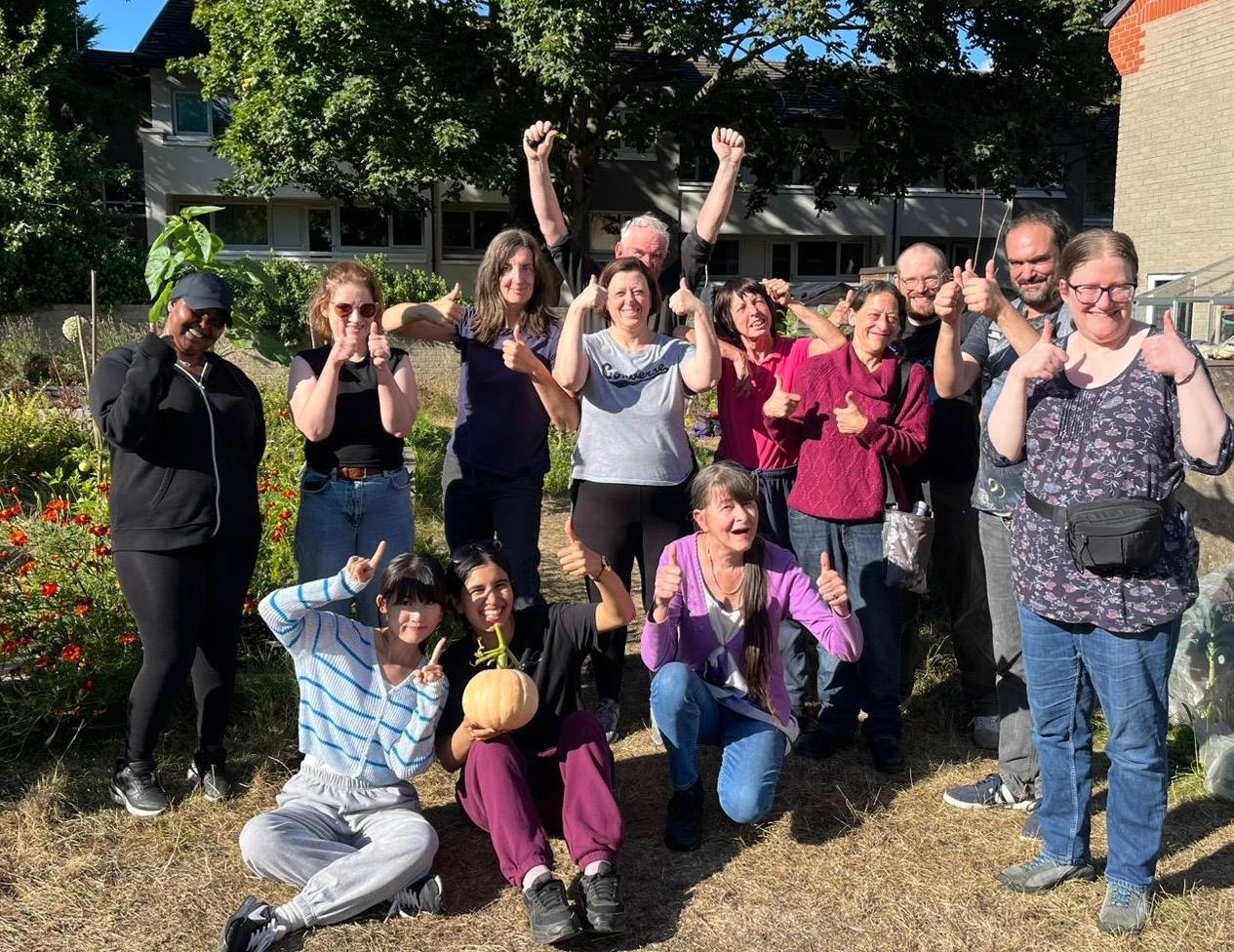
One of the community gardening groups with Hyde Park Source. Image: Hyde Park Source
“You’ve got a lot of student accommodation, but Pete’s so right about the hidden poverty, because of students skewing the demographic,” Doble says, adding that it means less investment in the area to tackle deprivation.
John Hume, chief executive at the People’s Health Trust, says: “The gap in life expectancy in Leeds is not just a statistic: it means that some people in Leeds are dying much younger than they should and are living for longer in ill-health. That’s a mother, father, brother, sister whose life and health is cut needlessly short.
“The causes of this are not a mystery – they relate to the conditions in which people grow, live, work and age.”
Damian Dawtry, of Men’s Health Unlocked, agrees that the 14-year difference in life expectancy is caused by poverty, and he believes that the mental health consequences are as significant as the impact on physical health.
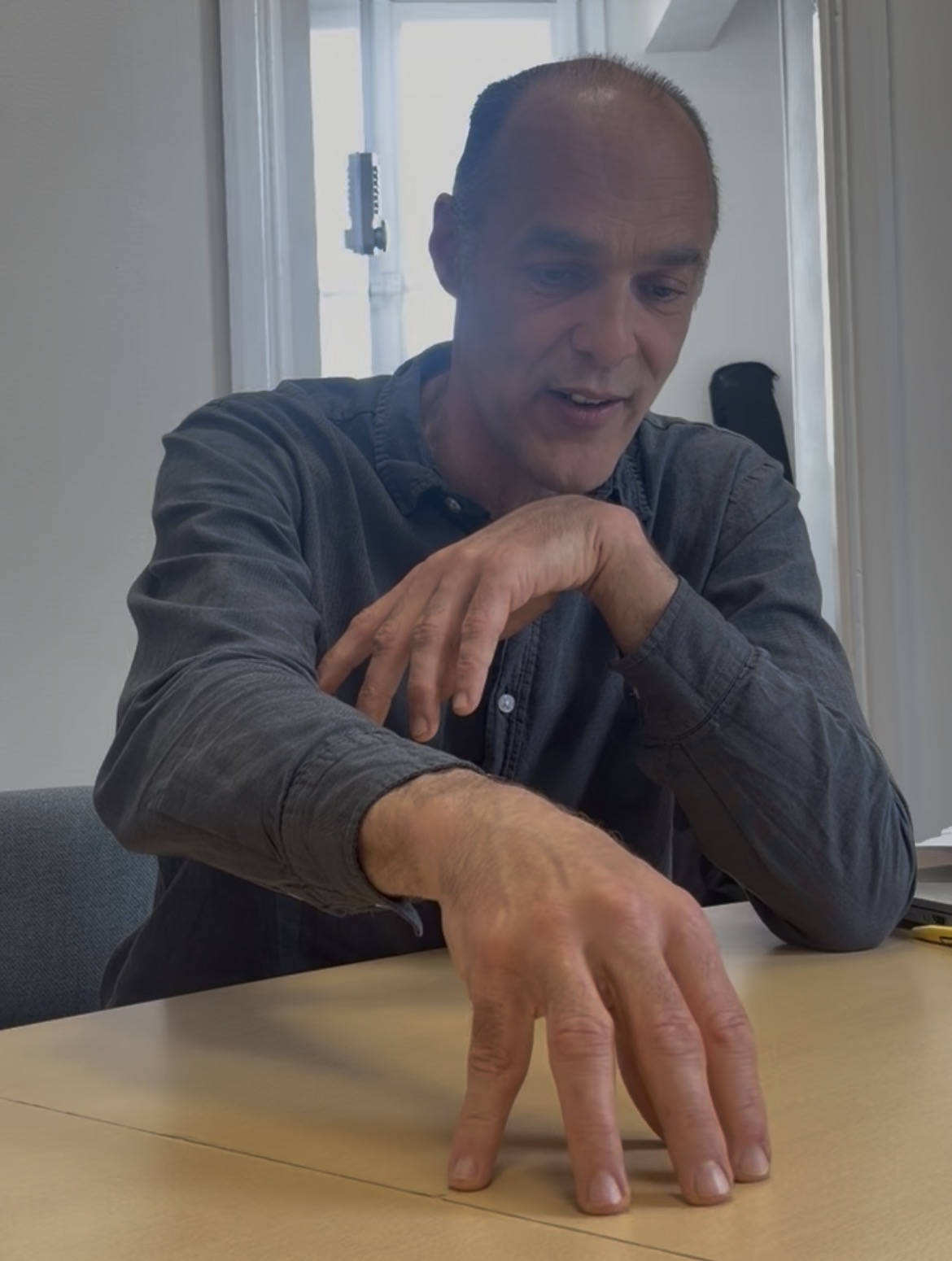
Damian Dawtry speaking to the Big Issue. Image: Big Issue
“Rich people can afford private healthcare. As the NHS gets less able to cope with the needs of the population, working-class men can’t access talking therapies. There’s probably a culture of not talking about stuff and the stigma as well,” Dawtry says.
Advertising helps fund Big Issue’s mission to end poverty
Although his expertise is in men’s health, he doesn’t believe there is a gendered aspect to the health inequality between the two areas. Instead, he argues it is about “living conditions, education and access to healthy lifestyles”.
Housing comes up repeatedly in conversations with locals. “I live at the end of the Otley run towards the lower life expectancy and I see those issues all around me,” says one Leeds resident, who asked to remain anonymous. “For me, the issue starts with housing.”
“Along the Otley Run, you’ll see a mass of private rented and shared housing with people in severe need whose housing benefit doesn’t cover their rent and goes into the pocket of private landlords. At the other end, you’ve got some incredibly expensive housing that is well beyond the reach of people. Unless we sort out housing, there will be disparities,” he explains.
“It forces people to live in situations where they might not otherwise want to live,” the Leeds resident says. “That might be with a violent partner. It might be in a shared household where you’re at risk. You’ve got no security. You can be evicted within six months. That stress builds on people. You’re living your life on the edge of uncertainty the whole time. It has a devastating effect and it’s not very visible.”
Kaur says she worked with one local family with four children who were all living in the same room, and the mother was pregnant with her fifth child. She adds that this affects children’s development, education and future chances.
Advertising helps fund Big Issue’s mission to end poverty
Nearly two in five (37%) Leeds households lived in social housing in 1981, whereas only one in five live in social housing now. That’s mostly because council housing was sold off by Margaret Thatcher’s government in the 1980s and the stock has never recovered.
“The proportion of people’s wages that is spent on housing and utilities compared to what it used to be 20, 30, 40 years ago is enormous. Why can’t you work in a supermarket and afford your housing anymore? It’s diabolical,” the resident says.
One of the stops along the way through the Otley Run. Image: Big Issue
Andy Burnham, the new prime minister, has pledged to invest heavily in housing, promising the biggest council house building programme since the post-war period. The former mayor of Greater Manchester has a particular focus on the north of England and has confirmed he will set up a No 10 North to “help power flow into all areas of the country”.
Will the new Manchester base help across the Pennines?
“More social housing would be a really good start,” says Lisa Mulherin, chief executive of Health for All. “Affordable, good quality housing with decent gardens for kids to play in and fresh air. I know there is a lot going on to try to encourage more social housing and to tackle some of the pollution in the inner-city areas. There are good things happening.”
People say that less access to green spaces in the city centre may be affecting people’s health.
Advertising helps fund Big Issue’s mission to end poverty
“In deprived areas, people do not have healthy options,” Kaur adds. “They have cheaper takeouts near their areas. Green spaces are not that good. For people in poverty, it’s important for them to just have something to eat rather than making healthy choices. I lived in a deprived area myself years back and I know that because of the lack of green spaces in the area, people are not in that mode to do walks.”
Joe Kent, of Barca Leeds, says he has noticed “a lot of issues with diet and the food that is available to certain communities and disadvantaged areas”.
“We are hearing a lot more about ultra-processed foods contributing to weight issues in communities rather than healthier and fresh food that isn’t processed,” he adds.
Community activist Fabehah Ali. Image: Fabehah Ali
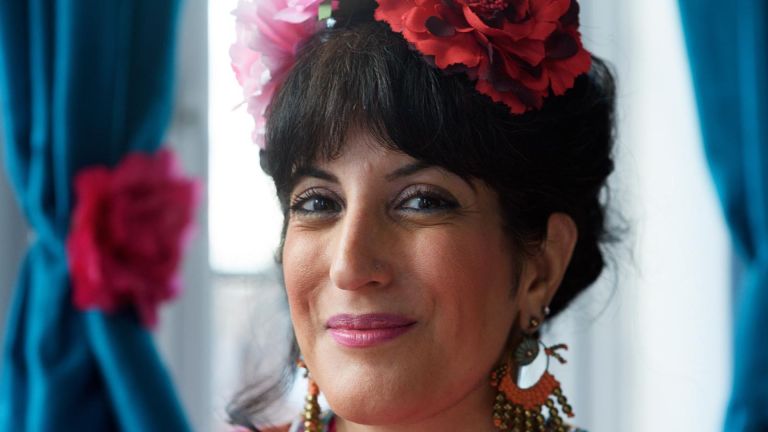
Fabehah Ali, a 20-year-old community activist, was brought up in Harehills in Leeds, one of the most deprived areas and densely populated areas in the UK. She notes similar issues with housing, lack of access to green spaces and healthy food.
Health Foundation analysis revealed an 11-year difference in life expectancy between Harehills South and Garforth East, both of which are in the constituency of Leeds East. The average life expectancy in the constituency is 79.2 years, which is the same in Leeds Central and Headingley, where the Otley Run is situated.
“We are known for having many corner shops and takeaways,” Ali says. “There are quite a few people in Harehills who suffer with some financial decisions, so they might choose to rely on paying rent or their water bill instead of being able to afford healthy food.”
Advertising helps fund Big Issue’s mission to end poverty
She adds that she has heard from neighbours struggling to access their GP, either because of waiting lists or other issues such as language barriers.
“It’s upsetting knowing there are people who face this. This is someone’s life and we don’t want them to have a shorter life expectancy because they can’t access vital services,” Ali says.
Ali started in community activism in 2019, when she was around 13. She got involved through Leeds Muslim Youth Forum, and she has since established her own youth groups and is driven to campaign for change in her community, particularly around health inequalities.
“I’m hoping I could be in a position where I know I helped at least one person, because that one person can make a difference. It can be a matter of life or death,” she says.
Community efforts
There is a lot of hope to be found in the people working to support each other in Leeds.
Kent says there is real sense of community in the city, but he adds: “I think it got disrupted by the pandemic. We were told it was unsafe to go outside, so it’s had quite a deep psychological effect on people. It’s still working its way out, but I think we’re getting through it.”
Advertising helps fund Big Issue’s mission to end poverty
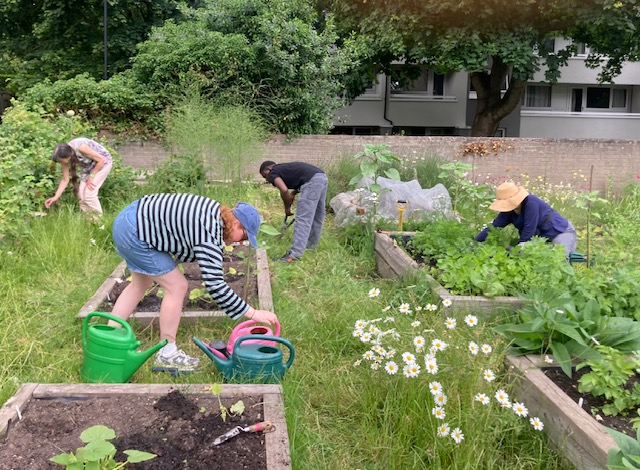
The community gardeners at work. Image: Hyde Park Source
At Hyde Park Source, community gardening is bringing people together.
“There’s a common denominator about why people join our garden groups and that is they tell us it’s about feeling of connection and belonging,” Doble says. “There’s a place where people feel safe and stimulated and learn and they can use the skills they already have. People get to truly know each other across communities that would never normally meet.
Doble adds: “We’ve had a Syrian refugee get to genuinely know someone who was in the English Defence League back in the ’70s. They were having a conversation in a safe space where battle lines didn’t have to be drawn.”
Loneliness is proven to have a negative impact on people’s health – so that sense of connection can help alleviate health inequalities.
Another group making a difference is Cloth Cat Leeds, which brings music into healthcare facilities in the city. Kent, who also works part-time for this charity, explains that they bring choirs into care homes and DJs into mental health hospitals for young people.
They also run a ‘repair and recycle’ group for socially isolated men to fix broken instruments and donate them to people who need those instruments. “There’s quite a virtuous cycle there of people coming together to solve their social isolation,” Kent says.
Advertising helps fund Big Issue’s mission to end poverty
Hume adds: “Organisations such as Leeds Muslim Youth Forum, Hyde Park Source and Cloth Cat are just three which demonstrate that local organisations, informed by local people, have at least some of the answers to change this story and improve health and wellbeing but it also requires the support of local, regional and national government.”
Maz Sultan, link worker at Men’s Health Unlocked. Image: Big Issue
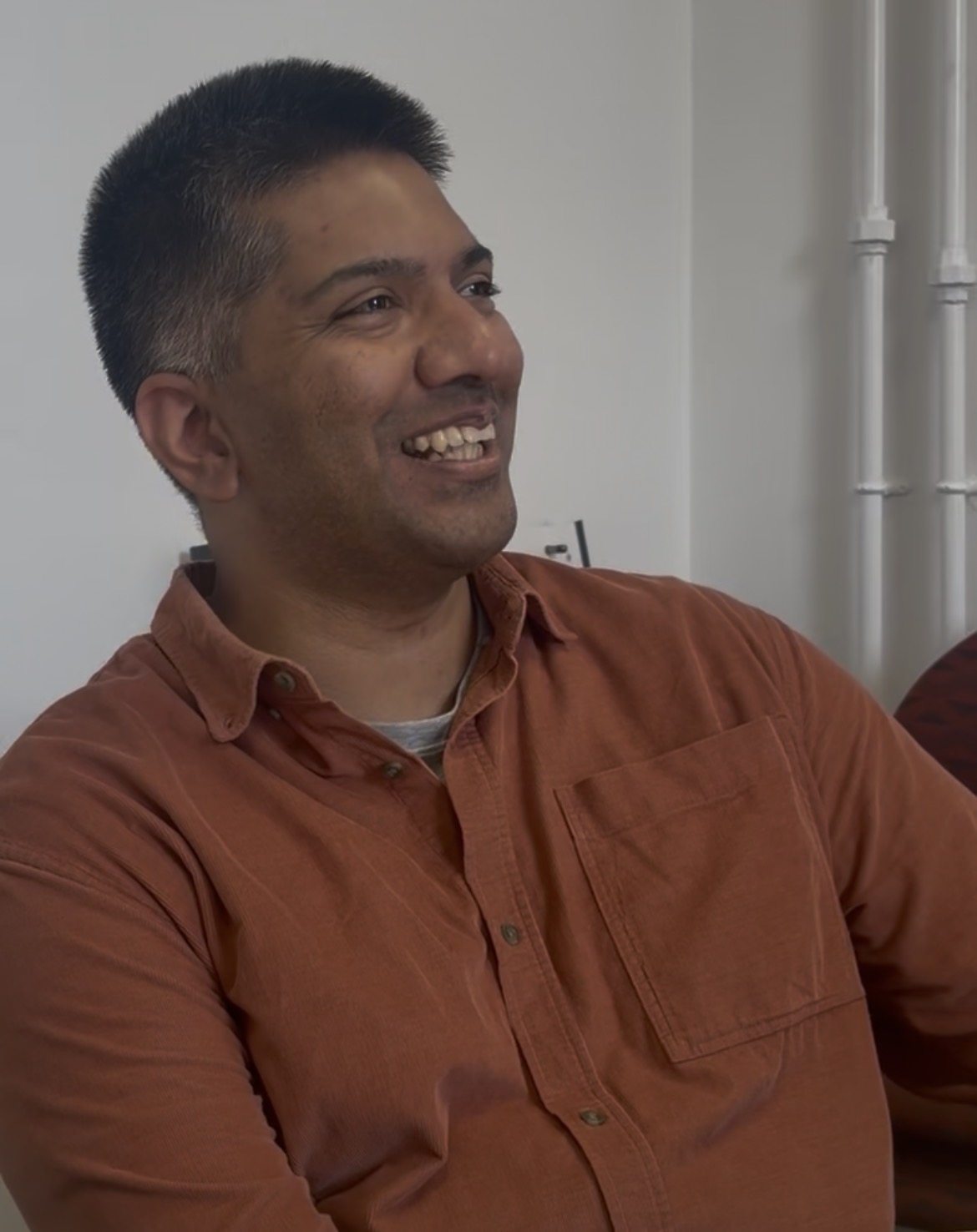
Maz Sultan, a link worker for Men’s Health Unlocked, agrees that connection is vital for people’s health. They recently ran a project where men wrote their own poetry, and that then led to conversations about their health and wellbeing.
“Men do open up, they just need an invitation,” Sultan says. “Once they come to one group, they end up going to so many others and sharing that with their friends and their loved ones.”
For Mulherin, Leeds is “better place than a lot of cities in terms of support for the third sector and the respect the third sector has from the local authority”. But there is agreement that change is still needed to reduce inequality.
Paul McDonald, chief campaigns officer of Health Equals, says: “The fact that you can walk down one road in Leeds and life expectancy can fluctuate by 14 years shouldn’t just shock people, it should prompt action.
“If the local elections have taught us anything, it’s that people care about what is happening in their own areas, and these statistics paint a bleak picture. How long you live should never be defined by where you’re from or how wealthy you are.”
Advertising helps fund Big Issue’s mission to end poverty
Health Equals is calling for a change in the law requiring a government-wide plan to set clear targets and require ministers across departments to work together for a healthier future.
McDonald says: “Right now, lives are being cut short because of things like the homes people live in, the air they breathe and the money in their pockets. This has to change.”
Buy from your local Big Issue vendor every week – and always take the magazine. It’s how vendors earn with dignity and move forward.
You can also support online: Subscribe to the magazine or support our work with a monthly gift. Your support helps vendors earn, learn and thrive while strengthening our frontline services.
Advertising helps fund Big Issue’s mission to end poverty
Thank you for standing with Big Issue vendors.
Advertising helps fund Big Issue’s mission to end poverty