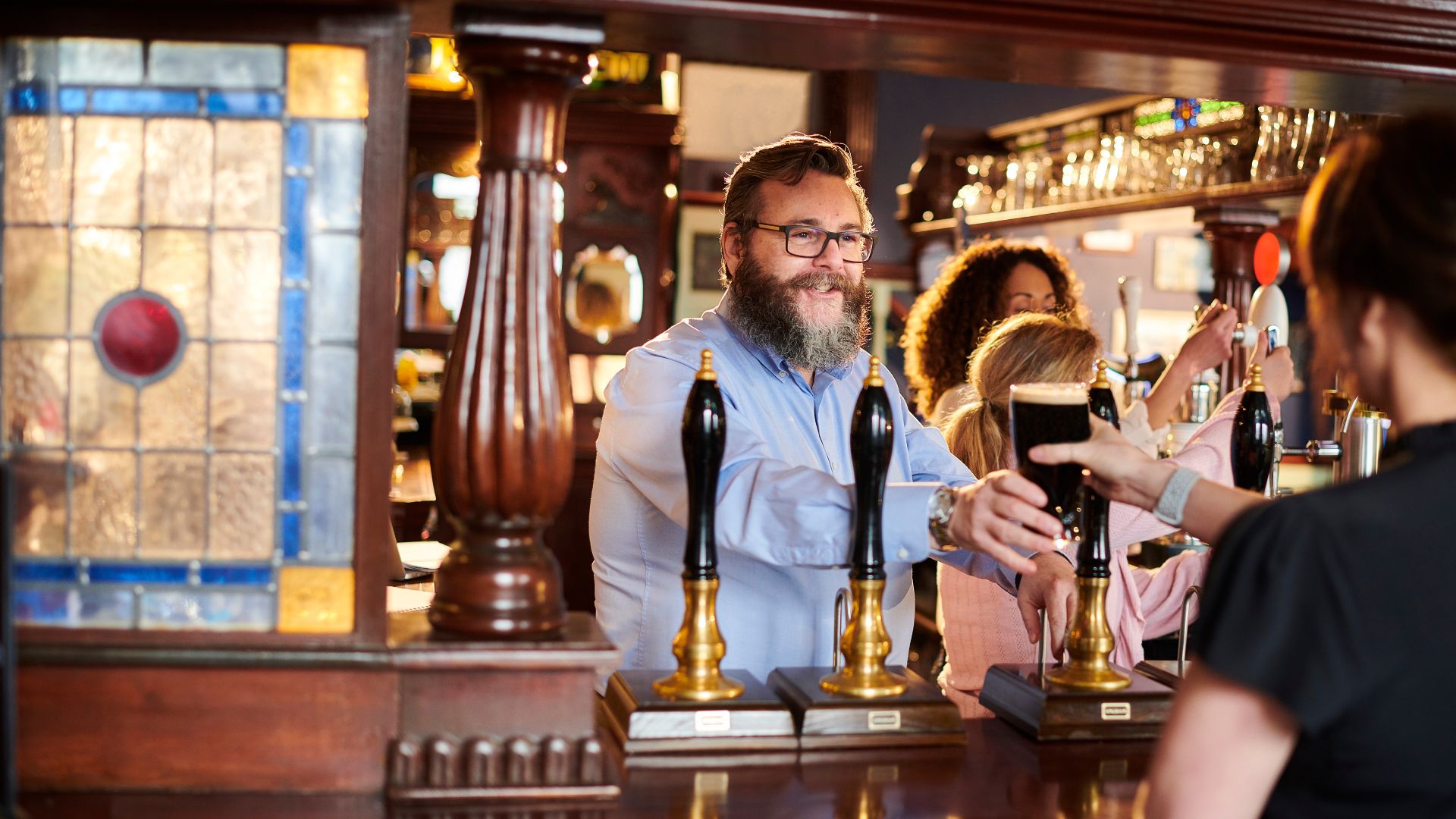
The Diageo increase only amounts to 4p per pint. But wholesale prices are just one part of a much larger cost stack. On an average UK pint, around £1.30-£1.50 goes straight to the Treasury in alcohol duty and VAT. The rest is split between the brewery and distributor – covering ingredients, brewing and transport – and the pub’s own costs: staff wages, rent, energy bills and business rates.
It’s a toxic cocktail (sorry) that shuttered nearly 400 pubs in England and Wales last year.
Surging utility bills, increases in national insurance contributions, and lagging turnover have made it tough going for publicans. Recently, planned increases to business rates – a property tax on commercial premises – drew the ire of pub owners across the country. Following public and backbencher pressure, chancellor Rachel Reeves has announced pubs will get a 15% cut to new business rates bills from April followed by a two-year real-terms freeze – but the trading environment is still incredibly difficult.
Why is that? “No one wants to make a pint expensive,” says Dawn Hopkins, who runs The Rose Inn in Norwich. “But the company puts the price up. Then the majority of time you’re getting it through a distributor. And as with every single business, their costs have gone up as well. So, you know, it’s everybody’s fighting for a slice at the moment.”
Pubs are “so squeezed with costs at the moment” that they then have to put a “proper” margin on it: “or it’s just not worth it.”
Shay – who works at a pub in central London – speaks to Big Issue on her break. She hates increased costs: “When things get too expensive, you lose that pub culture, which is really important”.
Advertising helps fund Big Issue’s mission to end poverty
But pubs often have no choice but to raise prices. “Rent, staff, buying new products. And we’re having a constant sort of inflation on products, so you have to price stuff, unfortunately.”
All pubs are struggling. But not all pubs are struggling equally.
Digital advertising expert and Topham Guerin partner Ben Guerin wanted to know: was his local pub facing a brewing storm?
“Me and my mates were just chatting about what pub should we go to?” he tells Big Issue. “And we’re like, hang on. I wonder which is the most fucked pub, like, who’s been most fucked?”
This rather vulgar discussion took place before the U-turn on business rates. Guerin found the spreadsheet recording Valuation Office Agency (VOA) rateable value: what every business was valued at in 2023 and then 2026.
He crunched the numbers and ranked them by proposed increase. The result, the delicately named ‘Fucked Pub Index’, lists 46,000 UK pubs.
Advertising helps fund Big Issue’s mission to end poverty
“I was able to turn the whole thing around in about six hours,” Guerin says. “It was really interesting, because I think there’s so many spreadsheets that hold great stories.
“Like, there’s a giant spreadsheet of every single business venue in the UK, every type of venue, and anyone can download it on the website, but no one’s going to download it, because if you do, it’ll break your computer, because it’s huge.”
The website features a leaderboard. There are “a couple of different ways of measuring it” – but at least 1,200 fall into the “absolutely fucked” category. The biggest percentage increase is The Bertie Arms in Stamford outside Peterborough, where the rateable value would have gone up 1,944%. The biggest cash hike would have been The Longwall in Oxford, which could see its rates rocket by £630,000 (94%).
This is now no longer happening following the government U-turn on business rates. Job done?
No, says Guerin. It might change the ranking, but pubs “are still fucked”.
“Even if you abolished business rates entirely, that’s not the real gripping costs the business faces,” he says. “If you’re paying £30,000 a year in business rates, you’re probably paying £400,000 in VAT and more in utilities.”
Advertising helps fund Big Issue’s mission to end poverty
In this environment, businesses have little choice but to push up their margins.
“Pub owners are really stressed,” Guerin says. “They’re tearing their hair out… no pub owner wakes up in the morning goes ‘you know what? I’m really gonna piss off my customers today. I’m gonna charge them £8 a pint.’ They do it because they have to, and they hate having to do it.”
Would Guerin pay £10 for a pint? Back home in New Zealand, he already has.
“If you’re paying for some like ridiculous craft concoction, you’re used to paying, like, sometimes $25 NZ for a ridiculous beer. And you’re happy to do that,” he says. “But the whole schtick with the British pub scene is, like, it’s not just for hipsters. It’s for everyone.”
The public purse is stretched, and it’s difficult to make the case for pubs when the NHS is struggling and adult social care is underfunded. But research suggests the piecemeal demolition of the British pub scene has broader implications. IPPR research from last year shows that the loss of pubs, piers, and parks created the “tinderbox” for the far-right.
Keeping them open, then, is a social infrastructure question. It’s also a political one: Reform UK figures have sought to frame the pubs campaign as evidence of Labour’s elitism.
Advertising helps fund Big Issue’s mission to end poverty
But if pubs are to keep operating, it will mean increasing the cost of pints – meaning that double-digit sinking feeling is will likely become more common.
When Big Issue polls drinkers on the street, all of them say they’d pay £10 for a pint in the right circumstances.
“Depends. If you’re going out for a drink, like with local lads, and you’re buying a round of drinks, if there’s five of you, it’s like a £50 round,” says Simon, visiting London on a work trip from Manchester.
“But I suppose, if we were just coming out, like myself and my colleague, for a couple of drinks, then maybe.”
If he could charge it to expenses, he jokes, then it’s money no object.
The idea that pubs might have to close down makes Meadow, also visiting London, “depressed”. She’s just paid nearly £8 for a pint, and she said she’ll do so again. Her friend Maia agrees: “I’d pay £10 if I was desperate.”
Advertising helps fund Big Issue’s mission to end poverty
“I don’t really care,” nearby drinker Ethan tells Big Issue. “just as long as this one stays open.”
People resent increasing prices, but the idea of losing pubs altogether is worse – for now.
Do you have a story to tell or opinions to share about this? Get in touch and tell us more.
Change a vendor’s life this winter.
Buy from your local Big Issue vendor every week – and always take the magazine. It’s how vendors earn with dignity and how we fund our work to end poverty.
You can also support online with a vendor support kit or a magazine subscription. Thank you for standing with Big Issue vendors.
Advertising helps fund Big Issue’s mission to end poverty