Inflation has been far lower than the sky-high inflation rates of more than 10% seen at the height of the cost of living crisis, but lower inflation doesn’t mean prices are falling – in fact, they are still rising, just at a slower rate.
But prices going up isn’t a reason to panic – a fluctuating rate is normal and some inflation is good for the economy.
So, what does inflation actually mean for you and are we going into another cost of living crisis? We break down everything you need to know.
What actually is inflation? And what does it mean for me?
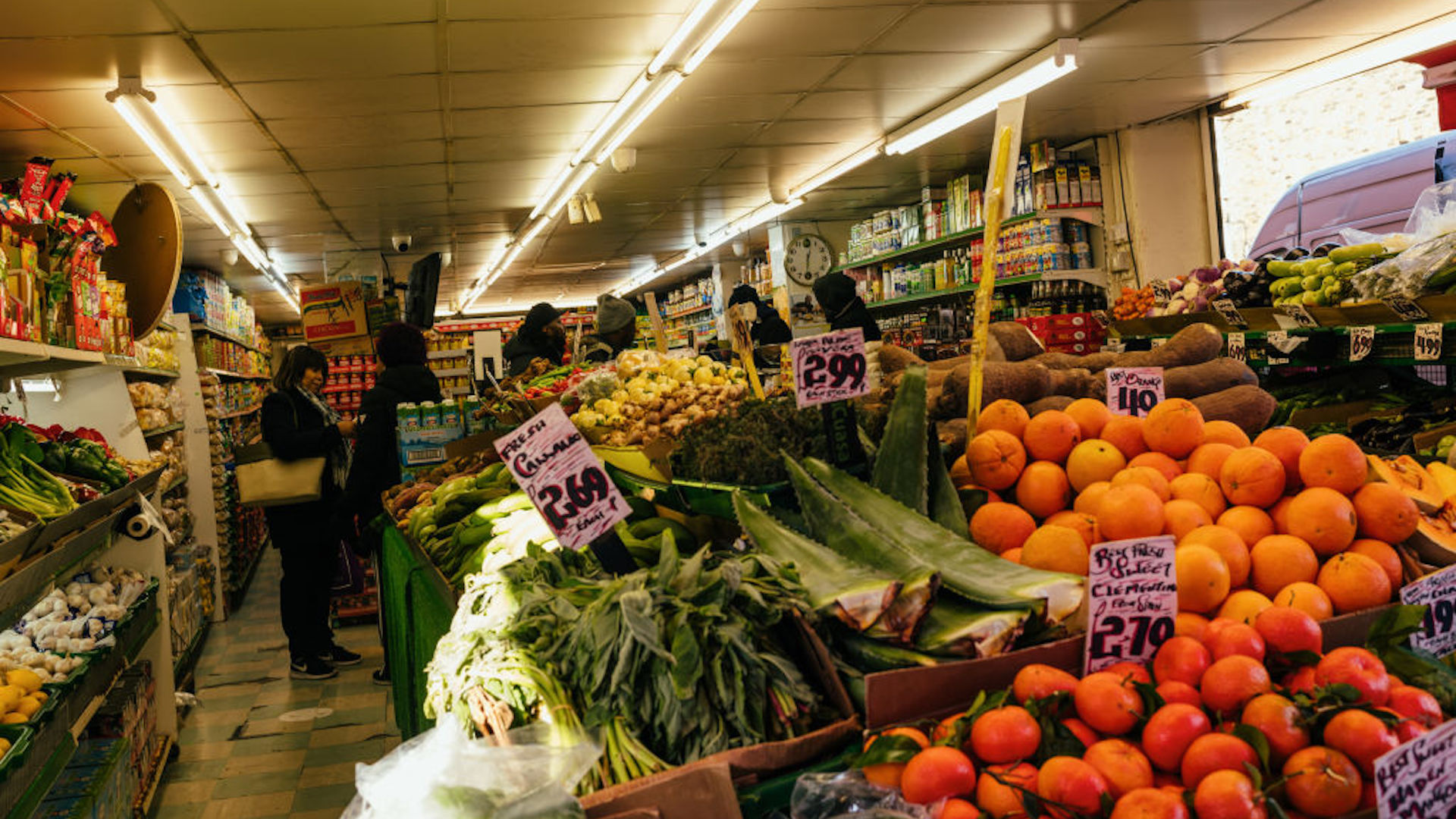
The term “inflation” is the technical way of describing the rate at which prices are rising. But what does it actually mean and how does it impact your life? If you’ve noticed the cost of a bunch of bananas or a pack of loo rolls is still getting pricier and your household bills are still expensive, that’s because prices are still rising. Inflation was ludicrously high for, well, far too long, and prices haven’t come down since.
The higher the inflation rate, the faster your bills increase. The inflation rate of 3% in February 2026 means prices rose by 3% on average in comparison to February 2025. Prices are still increasing and will continue to as long as inflation is in positive figures.
If you want to see just how much more expensive your shopping basket is going to be as a result of inflation, you could use a price comparison website like Trolley. It has a grocery price index with data showing how much all your basic supermarket items have increased in recent months.
Advertising helps fund Big Issue’s mission to end poverty
What will war in the Middle East mean for the cost of living in the UK?
Conflict in the Middle East has already pushed up fuel costs, impacting energy bills and petrol prices. It is also affecting the mortgage market, with rates soaring as lenders reacted to the volatility of the situation.
There are fears it will also affect the cost of food in the coming weeks and months.
Karen Betts, chief executive at the Food and Drink Federation, said: “While food inflation fell slightly in February 2026, I am concerned that this is the calm before the storm. The longer the conflict in the Middle East goes on, the bigger its impact will be on food prices.
“With food and drink price inflation already running above historical averages, heightened energy, maritime fuel and fertiliser costs will put further pressure on prices.
“Food and drink is an essential, bought by every household, every week. While it can take several months for cost rises to filter fully through to shop shelves, the cost of the Iran conflict will be felt by shoppers this year.”
Betts called on the government to provide the food and drinks industry with more support.
Advertising helps fund Big Issue’s mission to end poverty
Simon Francis, coordinator of the End Fuel Poverty Coalition, said that the conflict in the Middle East has triggered “another cost-of-living-threat for households”.
“As long as the UK remains heavily dependent on fossil fuels, global tensions will continue to affect our energy bills,” he said. “Households have already learned the hard way that fossil fuel price spikes come with a real cost.”
Francis claimed “the only lasting protection is to cut our reliance on oil and gas through better insulated homes, more homegrown renewable energy and fairer energy pricing so bills are no longer dictated by volatile global markets”.
Will prices in the UK ever come down?
The simple answer is that UK prices across the board will probably never come down – and almost certainly not by very much – but wages are supposed to keep up with rising prices to make us less likely to feel the pinch.
For prices in the UK to fall, inflation would need to go into negative figures, often called deflation. That is a rarity. The last time this happened was in 2015 when prices fell by a grand total of 0% because of a sudden drop in the price of oil.
But the reality is that the 0% inflation rate was “actually quite a bad thing”, economists have told the Big Issue. It meant that the economy was stagnant and it was used as political cover for austerity.
Advertising helps fund Big Issue’s mission to end poverty
Before that, the last sign of deflation was in 2009, during the global financial crisis, but economists disagree on the details as only one measure of prices was negative. You have to go back to 1960 to find another example of deflation.
What will it take to end the cost of living crisis?
A cost of living crisis is, in theory, over once prices stabilise and wages have risen enough to match. Wage growth is currently above inflation and has been for some time, but we are still reeling from the impact of the cost of living crisis. And now the conflict in the Middle East threatens to reignite it.
Annual growth in employees’ average regular earnings, excluding bonuses, was 3.8% in the three months to January 2026 – which is the most recent period for which figures are available. But in real terms, when wages are adjusted against inflation, growth has been slow.
Annual wage growth in real terms was around 0.4% in that period. So technically, we’re getting richer than we were last year, but only ever so slightly. You probably won’t have noticed the difference.
Director of the Work Foundation at Lancaster University Ben Harrison previously said that a record number of people are being pushed into taking on second jobs – “often with precarious pay and uncertain hours – to try to make ends meet”.
Most people have faced a large drop in living standards. The financial year 2022 to 2023 was the largest year-on-year drop in living standards since ONS records began in the 1950s – and it will take time to recover from that.
Advertising helps fund Big Issue’s mission to end poverty
Chris Belfield, chief economist at the Joseph Rowntree Foundation, previously said: “Prices remain far above pre-pandemic levels as inflation remained persistently above target throughout 2025. This has driven up the cost of essential goods while employment has remained lower than before the pandemic. Meanwhile, more people are looking for work with unemployment figures up to pre-pandemic levels and real earnings are barely growing.
“As things stand, incomes are projected to continue to fall in real terms. The hope for low-income households is that the government will take significant policy action to boost incomes, productivity and earnings.”
The Office for Budget Responsibility (OBR) predicted that real household disposable income – and consequently our living standards – will grow by an average of just 0.5% a year until 2029. These forecasts did not fully take into account the impact of war in Iran.
Belfield added: “Scrapping the two-child limit and steps to reduce energy bills were the right decisions in last month’s budget. But JRF projections show incomes will fall significantly by the end of the parliament once housing costs are considered.
“And, of course, there are some highly significant knock-on effects from this – falling living standards are reducing spending, undermining productivity and placing huge pressure on the NHS.”
Will energy bills fall or rise?
Energy bills are set to fall in April. Ofgem’s energy cap means average households will pay an average of £1,641 each year for their electricity and gas.
Advertising helps fund Big Issue’s mission to end poverty
That’s down from £1,758, which was the energy price cap set by Ofgem in January to March. It is the biggest drop in prices since last summer.
Every three months, the energy regulator reviews and updates the price cap to reflect changes in the cost of energy and inflation. It’s intended to ensure bills are fair.
Energy bills have fallen because the government announced an end to funding for the Energy Company Obligation scheme, as well as removing 75% of costs for the Renewables Obligation scheme from people’s energy bills.
The government said it would mean households pay an average of £150 less a year on their energy bills. Ofgem’s price cap suggests it’s around £117.
But it doesn’t mean that your household bills can’t exceed £1,641 – some households will pay more and others less. It all depends on how much energy you use, as well as your circumstances like where you live and the energy efficiency of your property.
“The price cap does not protect those who simply cannot afford the cost of keeping warm,” Adam Scorer, the chief executive of National Energy Action, previously said. “That requires direct government intervention through bill support, social tariffs and energy efficiency.”
Advertising helps fund Big Issue’s mission to end poverty
But there are fears that energy bills will rise as a result of the war in the Middle East in the coming months.
What support has the government announced to help with the cost of living?
Chancellor Rachel Reeves has pledged to give support to households in need if energy bills rise. She said this support would be targeted to ensure it reaches “those who need it most”.
“Contingency planning is taking place for every eventuality so we can keep costs down for everyone and provide support for those who need it most”, she said.
There have been no specific details released about this plan, and it is unclear who exactly will be helped.
Some reports suggest that there may be a scheme targeted at benefit claimants, similarly to the way cost of living payments worked at the height of the crisis.
The Conservative government also introduced energy rebate scheme, a universal discount on household energy bills of around £66 a month. This ended in March 2023.
Advertising helps fund Big Issue’s mission to end poverty
Are prices rising at the same rate for everyone?
Unfortunately not. Prices are rising even faster for poorer households. This is because the costs of essentials like food were soaring at high rates, and low-income families typically spend a greater proportion of their income on these items.
The Resolution Foundation has found that poorer families are most affected by surging food prices as they spend a far greater share of their family budgets on food (14%, compared to 9% for the highest-income households).
As a result, the effective inflation rate for the poorest tenth of households is around 2% higher than it is for the richest tenth of households.
Benefits are not stretching far enough to help those on the lowest incomes afford the basic essentials.
The Joseph Rowntree Foundation estimates that universal credit will fall short by around £1,000 every year of the money people need to afford the essentials even after it rises by more than 6% in April.
JRF has consistently called for an ‘essentials guarantee’ to be implemented in universal credit – so that benefit claimants can afford the basics they need to survive at the least.
Advertising helps fund Big Issue’s mission to end poverty
Do you have a story to tell or opinions to share about this? Get in touch and tell us more.
Change a vendor’s life this Christmas.
Buy from your local Big Issue vendor every week – or support online with a vendor support kit or a subscription – and help people work their way out of poverty with dignity.