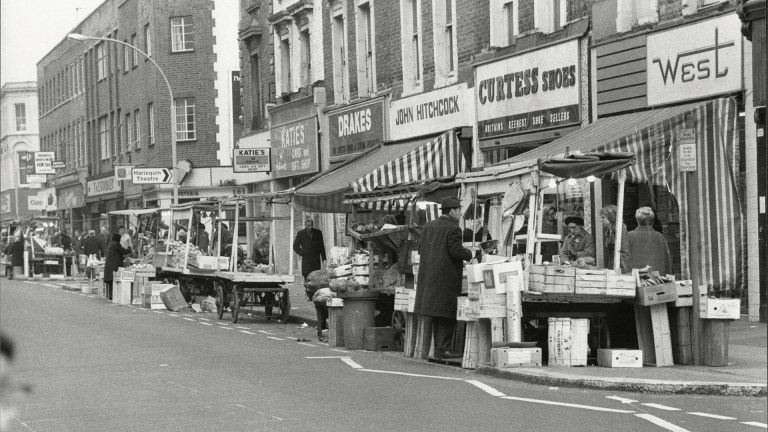
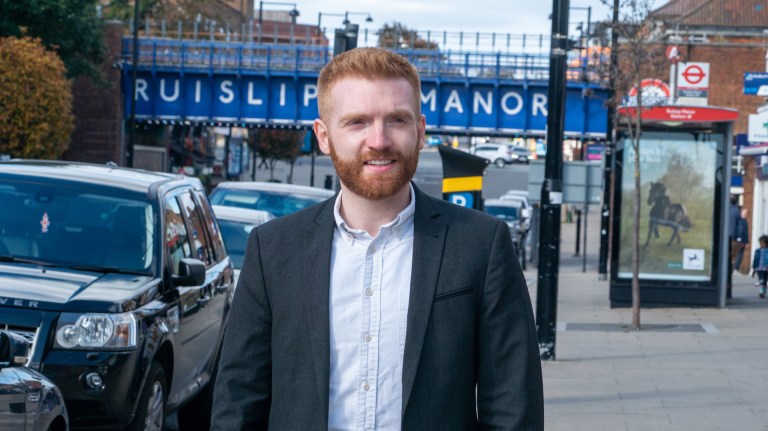
However, UK BIDs are governed by majority rule so, if your high street votes to start a BID but you don’t want to pay the hundreds of pounds in associated fees, there is no way for your business to opt out. Likewise, there is no National standard for how a BID should be run, so some cities benefit whilst others appear to suffer.
This became apparent last year, when a 15-year-old boy was pinned to the floor by ‘rangers’ acting as security for Chichester BID despite having no powers to “arrest or interrogate”. Local press reported similar issues with Croydon BID whose rangers were acting aggressively and “offering people out for fights”.
One thing which all BIDs share is a commitment to tackling homelessness, but its implementation appears to be somewhat random. Harrow, York and Chester use the ‘Tap to Donate’ system – where members of the public can donate directly to homeless charities rather than giving money to people begging. Others have no such provision and Cheltenham BID has an online form where people can report begging, to enable the removal of such people from the area.
Keep reading the journalism that powers our mission
Register free to continue and learn more about the stories, campaigns and the support we provide, helping people facing poverty across the UK.
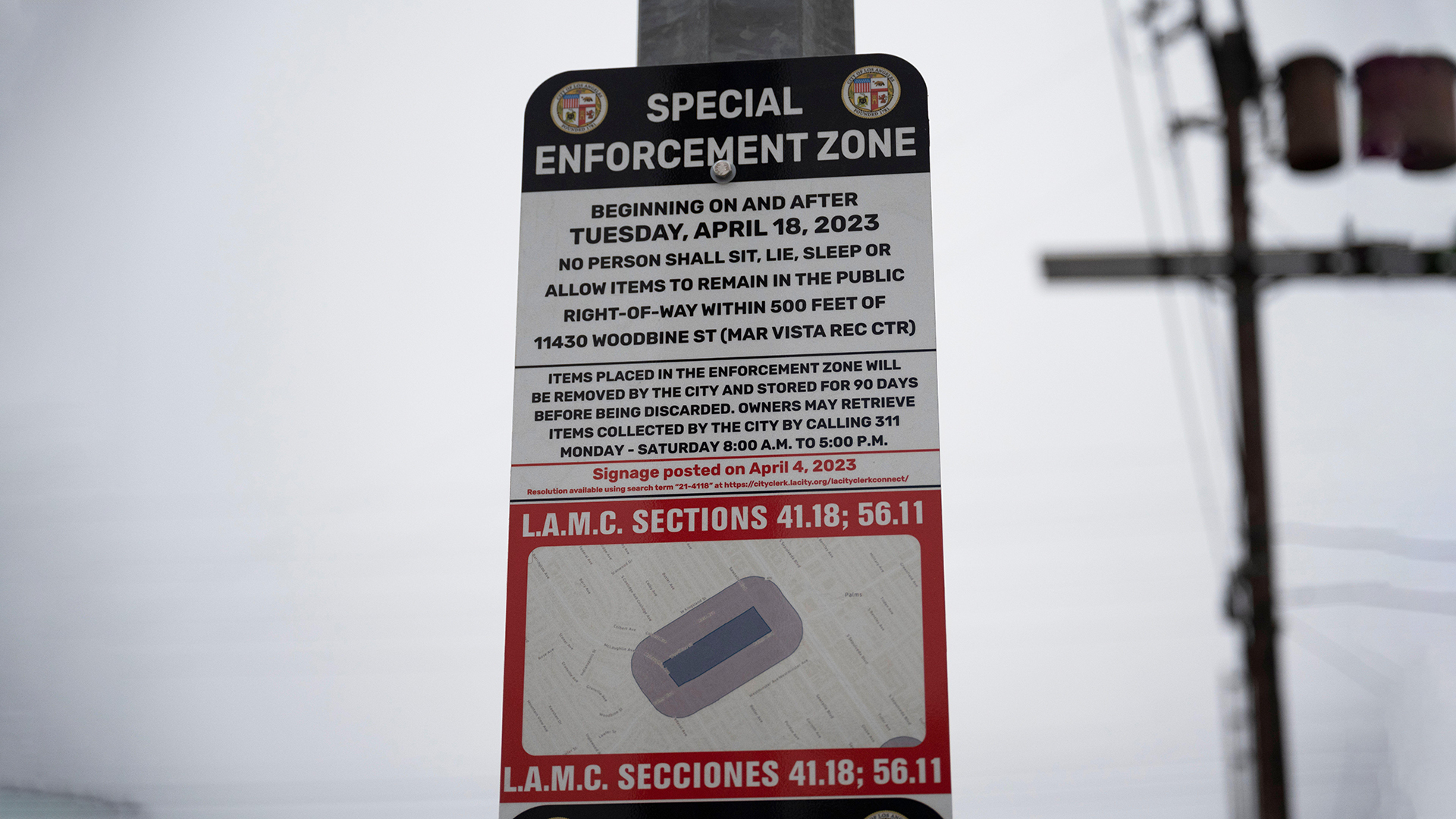
This falls in line with proposals laid out in the new Criminal Justice Bill which aims to replace the 1824 Vagrancy Act by “creating a new offence to tackle organised begging [and giving police] move-on powers for those engaged in nuisance begging and rough sleeping”. The aim is to limit crime, but reports from California show that “homeless status issues” (criminalised rough sleeping etc) significantly contributed to the crime figures.
‘They should be helping people – it’s horrible!’
The Big Issue spoke to homeless people to understand the impact that the Criminal Justice Bill will have on their lives.
Jamie lives in Plymouth and has been homeless for three months. After the breakdown of his relationship, he could no longer afford to live in his flat and was evicted. The council, he told us, considered him to have “made himself homeless” and refused to house him. It is now 13 weeks until he can make a new housing application. When we told him that the Criminal Justice Bill intends to make “nuisance rough sleeping” punishable by a £2,500 fine, he was shocked asking: “How are they expecting people to live? They should be helping people – it’s horrible!”
Advertising helps fund Big Issue’s mission to end poverty
James, who we encountered with his friend Steve as they were counting out change to get some lunch for their dog, felt more strongly about the new laws. Telling us that it would “make more stress and more fucking anguish and it’ll cause people to commit suicide “, he suggested that, if people are going to be criminalised anyway, they should “just rob a shop and get three meals a day in prison”.
The homeless men also explained that the PARC officers (Plymouth’s BID rangers) “used to be pretty horrible” but had apparently “realised that moving us on is like banging your head against a wall”. The issue, they said, was that PARC officers were never moving them to anywhere specific, merely ‘somewhere else’.
In many ways this appears to be the goal for most BIDs; the ability to claim that there are no homeless people in a given area. Something that Chichester has taken to another level, with one BID member claiming that “the official number of homeless in the city is two”, when the actual figures show around 150 homeless people on any given night.
With 290 BIDs in the UK, it seemed strange that they had all made removing the homeless a priority. A deeper look at who is behind the BIDs perhaps sheds some light on the issue. The British BID board currently has four directors, all of whom are also directors of Savills Place-Shaping & Marketing, an estate agent with profits of close to £1bn. Savills has denied that the BID Board is a subsidiary of its company, yet its founding director was also a Savills director when the board was started, and both businesses still operate from the same address. By ensuring the high street is free of graffiti, rubbish and homeless people, Savills is ensuring further growth in those profits from properties which lie within BID areas.
Savills did not provide a comment following a request from the Big Issue.
The fightback against Criminal Justice Bill has already begun
Homeless charities and organisations are fighting back. Earlier this week, a total of 37 homelessness groups, including the Big Issue, signed an open letter calling for the government to reconsider the Criminal Justice Bill.
Advertising helps fund Big Issue’s mission to end poverty
Caroline Moylan, COO of the Bournemouth Christian Housing Association (BCHA), told the Big Issue: “We all want to see a future where we see homelessness ended for good, more homes and support is the answer not criminalising those that need our help. I strongly encourage everyone to join us in this vital conversation and support the campaign by Crisis. By writing to your MPs, you can play a crucial role in urging them to halt these counterproductive plans.”
“We urge policymakers to reconsider measures that criminalise rough sleeping and instead focus on constructive, empowering solutions. It’s crucial to provide a stable and secure foundation for individuals to rebuild their lives, rather than penalising them.”