Advertising helps fund Big Issue’s mission to end poverty
Opinion

It's no longer a cost of living crisis – it's a cost of surviving crisis

A working father describes how talk of a cost of living crisis misses the point that it’s now a cost of survival crisis for many in the UK

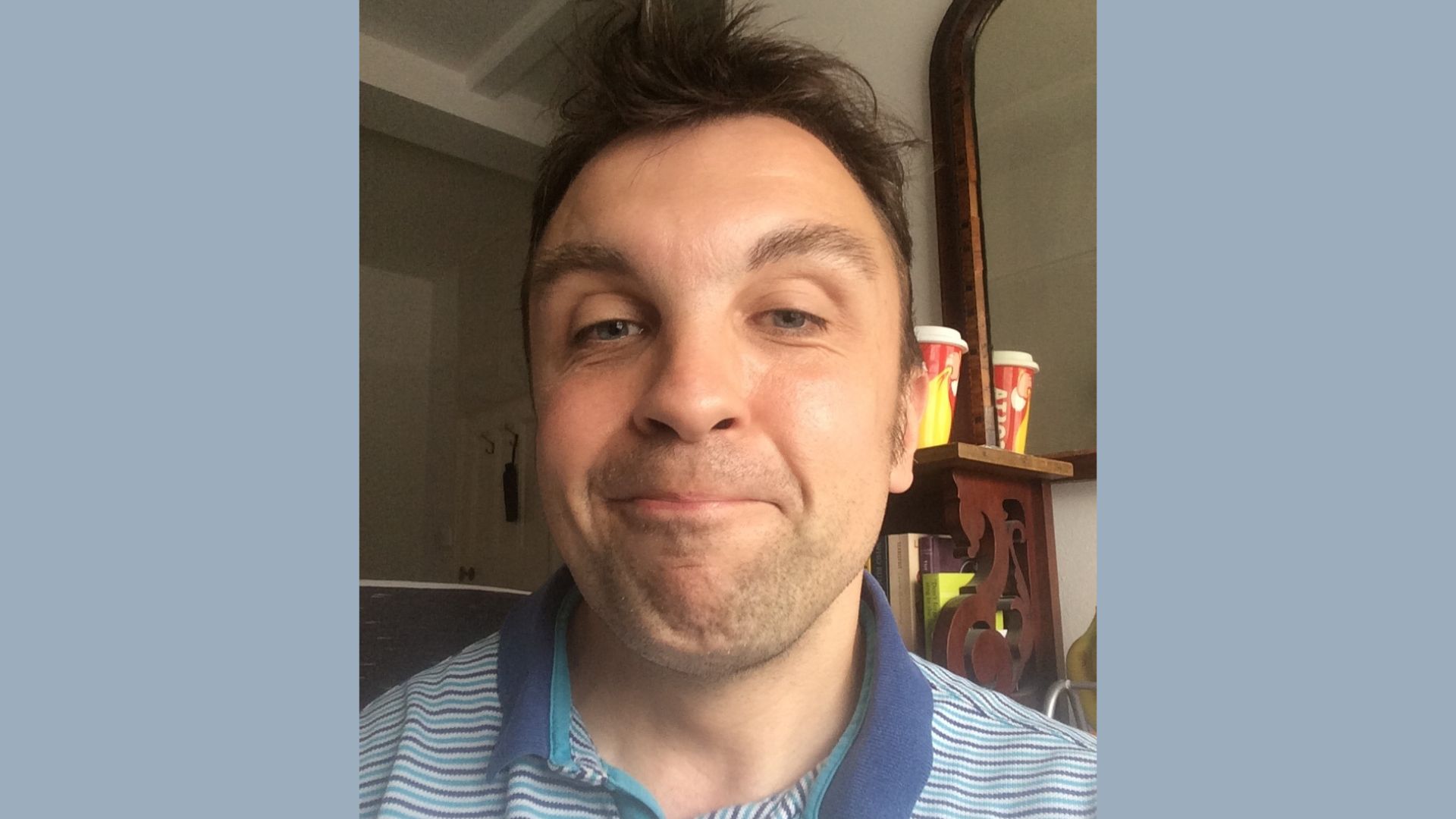
Mike Towers

Mike Towers is worried that not enough is being done about what he calls 'the cost of surviving crisis.' Image: Supplied

How many years has the phrase “cost of living crisis” been in the news? A crisis shouldn’t be something that lasts for years. When it does, we need to stop talking about the cost of living, and start addressing the cost of surviving. Only that covers the reality of what many parents and families are really going through.

That is before we even take into consideration developments in the past few weeks, such as the increase in energy bills brought about by a war we’re not fighting in Iran. Families across the UK may not have to worry about the threat of danger as experienced by families facing conflict in the Middle East, or the threat of climate change experienced by families in Africa or Asia, but they are still facing deep hardship.

The media has often reported on people having to claim benefits to supplement their income yet still falling into debt because of bills. What I experience, through my career working and volunteering for charities, goes less reported than that. As a self-employed pet carer, I support families to find homes for their beloved pets when they can no longer afford to keep them. I have to reassure parents their children can continue to access the play facilities where I work, even if they can’t afford to donate.


I signpost desperate members of the community to food banks, community lunches, or crisis loans when they finally overcome the initial barriers experienced in engaging with such services. I try to keep people away from or slipping back into a life of crime, when they have lived experience that crime can pay when being a conscientious citizen does not, because life itself contains too much injustice. I support people who use alcohol, drugs or other vices to survive their daily lives because the crutches they actually need, such as mental health support, secure housing, and a regular income are simply unavailable.

These were the circumstances that drew me to supporting Changing Realities, an online project involving hundreds of parents and carers living on a low income across the UK. They work with researchers, artists and the Child Poverty Action Group (CPAG) to document people’s experiences and push for change.

The cost of survival crisis has seen parents, carers and families in perpetual crisis. They do not have the money to feed themselves or their children, or to keep a roof over their heads because they cannot afford their rent or mortgage, maintenance and other bills. It can be a struggle to keep adequate clothing on their backs.

Advertising helps fund Big Issue’s mission to end poverty

They are forced to bring up children who are starved, not just of nutrients, but of food itself. Children who are cold because they have holes in their clothes that can’t be mended or replaced. Children who are ill because their homes cannot be heated, or are full of damp, and their parents can’t afford medication. Children who believe that when they grow up, this may be all they have to look forward to from life.

Read more:

Children and young people whose education suffers because they can’t concentrate through a full school day because of hunger, or of worry about how strained things feel at home. Children whose physical health is damaged by poverty, robbing them of youthful energy and achievement.

The cost of survival crisis is not just a financial one. It is emotional, social, and physical. This is evident in the waiting lists for the NHS, particularly for mental health support. This is having a huge impact on children and their families, who are unable to access crisis support when they need it.

This is why the government need to act now. The reality of a generation or more of children being brought up without the hope and aspiration needed to make the most of their lives. Why should they study if it immediately plunges their young adulthood into huge debt? Why should they aspire to become parents themselves if all they can see ahead is hardship?

The financial burden on government via the NHS, welfare benefits, local authority funding shows that making false economies via sticking-plaster solutions is only kicking these issues into the long grass – not just for the next administration to deal with, but society itself. Any government’s first priority is to serve the safety and security of its citizens. That cannot just be via armies and navies, or even the police, but in a way that makes its citizens feel safe in terms of their food, home and income security.

Advertising helps fund Big Issue’s mission to end poverty

Situations like the cost of survival crisis lend weight to the often-quoted image of “Broken Britain” (another favourite media phrase). This is why mainstream political parties are losing their appeal, and insurgent parties like Reform are gaining popularity.

While I acknowledge the recent lifting of the two-child benefit cap as a step in the right direction, and the minimum wage increase as another, this is all it amounts to: steps in the right direction, not the overall solution. The government now needs to reduce and remove the built-in bureaucracy that prevents parents from accessing the limited support that is available.

One way of doing this is resourcing local authorities in a ring-fenced, targeted way, to the point where their staff are comprehensively trained in how to provide that support promptly. The benefits system needs reforming so that cost of living payments are not distributed in a one size fits all manner. A family with four dependent children will generally need more than a family with one.

Changes also need to be made to universal credit, a benefit that almost one in two households with children now receive, following the completion of its decade-long rollout. Simple fixes could improve it: ending the punishing five-week wait for a first payment, and working to ensure people have better trust in a system that so many depend on.

Changing Realities worked with the Resolution Foundation to outline a set of measures that would achieve exactly this. The hard work has been partly done for the government here – so how about they work with us to finish the job, and make the cost of survival more manageable?

Mike Towers is a working dad and particapatory member of the Changing Realities project. Find out more here.

Advertising helps fund Big Issue’s mission to end poverty

Do you have a story to tell or opinions to share about this? Get in touch and tell us more

Change a vendor’s life.

Buy from your local Big Issue vendor every week – and always take the magazine. It’s how vendors earn with dignity and move forward.

You can also support online:
Subscribe to the magazine or support our work with a monthly gift. Your support helps vendors earn, learn and thrive while strengthening our frontline services.

Thank you for standing with Big Issue vendors.

Advertising helps fund Big Issue’s mission to end poverty

Do you know how Big Issue 'really' works?

Watch this simple explanation.

Recommended for you

View all
I wrote a play about grief and working class men. Now I want blokes from the pub to come and see it
Playwright Joe Mallalieu with his dog
Joe Mallalieu

I wrote a play about grief and working class men. Now I want blokes from the pub to come and see it

What baked beans can tell us about war in the Middle East
Tins of Heinz beans
John Bird

What baked beans can tell us about war in the Middle East

People are struggling to afford bills more than ever – and the cost of living is only getting worse
A man looking at bills
Emily Whitford

People are struggling to afford bills more than ever – and the cost of living is only getting worse

How a local duck pond could help you make sense of your inner world
Steven MacKenzie

How a local duck pond could help you make sense of your inner world