Advertising helps fund Big Issue’s mission to end poverty
Social Justice

'PIP was meant to be the support that helped me through recovery – and then it was taken away'

Emma Boulton is a PhD researcher who is autistic, has epilepsy and dysplasia. She writes about how she felt when her disability benefits were stripped away

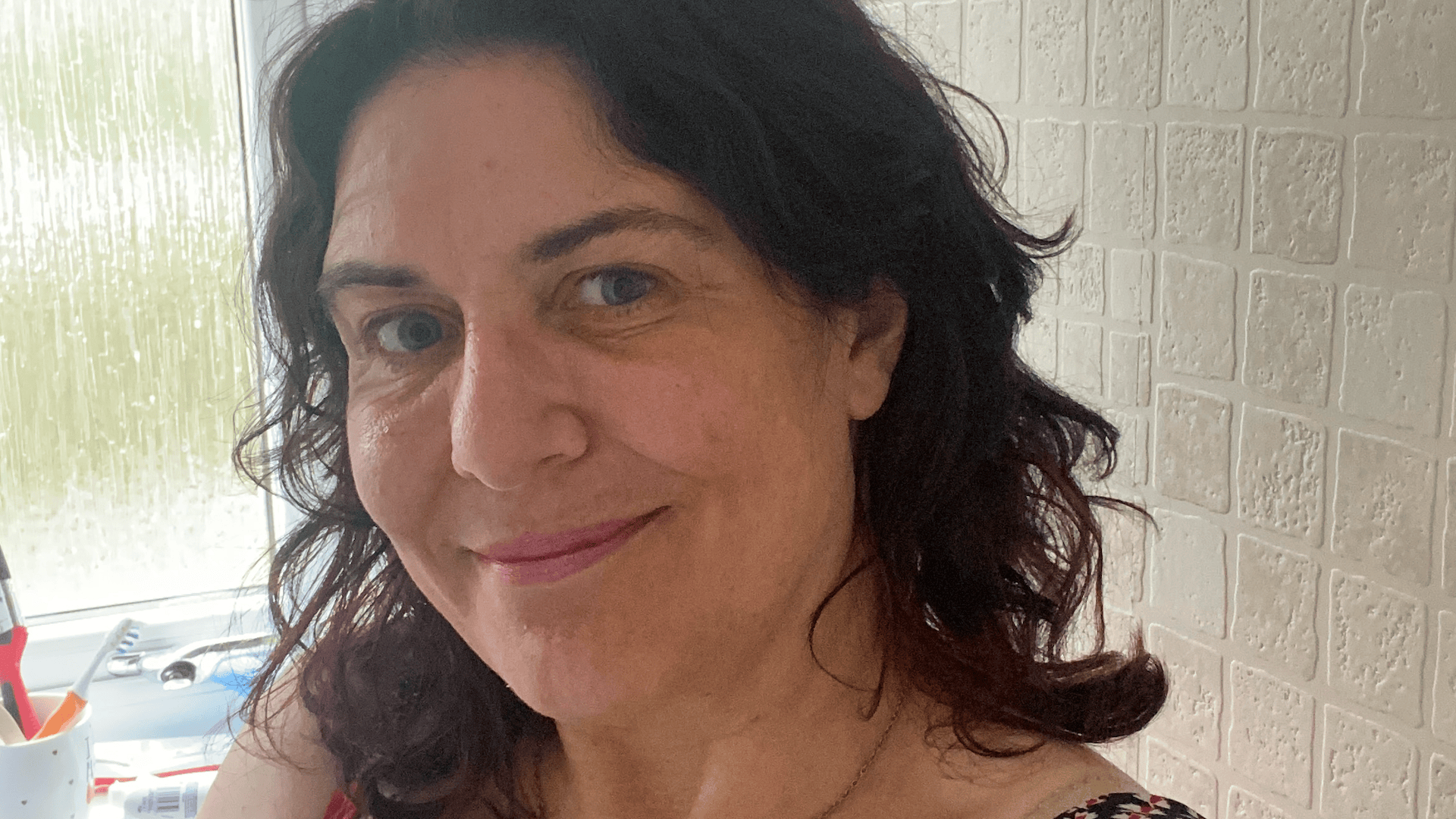
Emma Boulton

Emma Boulton says she will go back to tribunal if she needs to. Image: Supplied

I was at Center Parcs, on a rare few days away, when I opened the letter telling me my personal independence payment (PIP) had ended with immediate effect. I didn’t cry. I was furious. I sat down and wrote to my MP that same day.

To understand why that letter hit so hard, you need to know where I’ve come from. I was an alcoholic. I lived through domestic violence. I was cautioned for child neglect after trying to pick my daughter up from her dance class when my dad, who usually collected her, couldn’t make it. Social services became involved, my girls went to live with my mum, and I lost jobs. That was my rock bottom, and I climbed out of it on my own. I have now been sober for nine years.

I’m autistic, I have epilepsy, and I have dysplasia in both hips. None of that is going to change. PIP was meant to be the support that helped me hold my recovery together, and for a while it was.

Read more:

In 2020 I was awarded the enhanced rate for both daily living and mobility. At my review in 2023, the DWP scored me two points and removed the award entirely. It took 17 months to get to a tribunal, and in that time I received nothing. In March 2025, a tribunal judge restored my award until August 2026.

Later that year my health got worse and I was off work for two months. I did what you’re supposed to do: I told the DWP and asked them to review my award. In October they texted to say I would keep receiving PIP while the review took place. On 6 January they texted again to say a decision might take six weeks and my payments would continue. On 7 January, they ended my award.

Advertising helps fund Big Issue’s mission to end poverty

They used my own request for more help to overturn the tribunal’s decision, seven months early. The letter offered no evidence that I had improved and no explanation of why a judge’s ruling no longer applied, just a line saying my needs had changed. I had told them I was worse. They decided I was better.

It was the third time a DWP decision had given me exactly the same score: two points for reading, and zero for everything else. Every time my case has been looked at independently, I have won. Every time the DWP has looked at it, I have lost everything.

I looked for legal help, but no one would take the case on. My MP raised it with the DWP, whose response suggested I explore “avenues for income generation”. I was already working. I had gone back against medical advice because I couldn’t afford not to.

Keep reading the journalism that powers our mission

Register free to continue and learn more about the stories, campaigns and the support we provide, helping people facing poverty across the UK.

I was told to make a new claim, so I did. The decision came back in September. I use a pill box and watch reminders to manage my medication; the assessor wrote that down and scored it zero. My toilet aid, banister rails and high-backed chair weren’t mentioned. Because I answered questions clearly during one phone call, they concluded I could communicate unaided. Because I work, they concluded I was fine.

On that call, I did what autistic women learn to do from childhood. I stayed calm, I answered clearly, and I made it look easy. It’s called masking, and it doesn’t show up on a form. The pattern is always the same: look as if you’re coping and you lose support; ask for more help and you lose support; keep working and you lose support.

But I’m not the one who has paid the highest price. My daughters are now 21 and 25. They grew up with the drinking, the police, the recovery, and 10 years of brown envelopes. They have suffered most of all, and I believe this system played a part in that.

I fought my way back with no one holding the rope, and PIP was the one form of support that recognised how hard that was. Every time it is taken away, it pulls at everything I have rebuilt.

I’ve asked the DWP to reconsider again, and I will go back to tribunal if I have to. I have the evidence, the words, and nine years of proof that I don’t give up. But I think about who I was 10 years ago: the woman who couldn’t have written those letters, and who would have read “you can manage unaided” and believed it.

The cost of getting this wrong isn’t measured in money saved. It’s measured in people who stop asking for help.

Emma Boulton is an autistic PhD researcher at Teesside University, studying how autistic women’s distress is misread by crisis services. She writes The Masking Pipeline on Substack. You can follow her on LinkedIn
and support her research here.

Do you have a story to tell or opinions to share about this? Get in touch and tell us more. 

Change a vendor’s life.

Buy from your local Big Issue vendor every week – and always take the magazine. It’s how vendors earn with dignity and move forward.

You can also support online:
Subscribe to the magazine or support our work with a monthly gift. Your support helps vendors earn, learn and thrive while strengthening our frontline services.

Thank you for standing with Big Issue vendors.

Advertising helps fund Big Issue’s mission to end poverty

Do you know how Big Issue 'really' works?

Watch this simple explanation.

Recommended for you

View all
Immigration reforms leave refugee women facing 30-year wait: 'I thought I was safe, I was wrong'
The silhouette of a woman against a blue sky
Immigration

Immigration reforms leave refugee women facing 30-year wait: 'I thought I was safe, I was wrong'

Meet the 80-year-old with a learning disability who wants others to live to their 'golden age'
Geoffrey Leer
Mencap

Meet the 80-year-old with a learning disability who wants others to live to their 'golden age'

This greengrocer on wheels helps people afford food – but rising fuel prices make it hard to run
Queen of the Greens
Heidi Henders

This greengrocer on wheels helps people afford food – but rising fuel prices make it hard to run

Food poverty or fuel poverty? Why treating poverty as separate issues is unhelpful
SPA Poverty Policy Group is led by academics Vicki Dabrowski and Natalija Atas
Natalija Atas and Gideon Calder

Food poverty or fuel poverty? Why treating poverty as separate issues is unhelpful