Advertising helps fund Big Issue’s mission to end poverty
Social Justice

Women's pensions are the latest casualty of the motherhood penalty

On average, women have a 33% smaller pension pot than men. This is mostly because of childcare responsibilities

An elderly woman and child.

Women often take on more caring responsibilities throughout their life. Image: Unsplash

Millions of women are being penalised for caring for their children long after they have grown and left home.   We already know that women pay a huge penalty for being the primary carer when they start a family, but what is now becoming apparent is that penalty never stops. It follows them right into retirement, as their pension savings take a hit.

Pregnant then Screwed’s ‘Thanks for Your Service’ campaign is lifting the lid on this injustice, highlighting that women, on average, have a 33% smaller pension pot than men. For many, this is because of childcare responsibilities.

Too often, when people don’t have enough saved for their retirement, the blame is placed on the individual for not planning or saving well enough.  But the gender pension gap isn’t something mums have created. They’re not bad at saving; they just don’t have any other choice.

Read more:

They sacrifice their future to look after their children and relatives, because the system doesn’t give them any other option. The current pension framework rewards continuous full-time employment, effectively penalising those who need to reduce their hours or leave work because of caring responsibilities. A recent YouGov survey found that 42% of mums said they had reduced their pension contributions because they had little or no choice due to childcare responsibilities. 

Agnes is one of many mums who told us they had been left with no choice but to deprioritise pension savings. 
Advertising helps fund Big Issue’s mission to end poverty

She said: “Between raising three children, earning enough to support my family and eventually building my own organisation, there simply wasn’t enough money to put towards a pension. And if I’m honest, I didn’t fully understand the long-term implications at the time. I’ve spent years advocating for others, building programmes and creating opportunities, but somewhere along the way, my own financial future took a back seat. I’m now trying to address that, but I do wonder what those years without contributions will mean when I’m older.” 

Our campaign also found that women are likely to have their employee pension contributions miscalculated on maternity leave, resulting in losses of thousands of pounds. Many women don’t even realise this has happened or don’t feel confident enough to challenge it.

Sam was one of the mums affected by this. She said: “When I was on my first maternity leave, my employer underpaid my pension. It was on a salary sacrifice scheme, so while I was still being paid, my payments shouldn’t have reduced. I asked about the payment right at the start of my maternity leave because it didn’t look right, but I initially got told nothing was wrong. It took over a year and the involvement of my union to resolve. It was down around £1,400.”

Keep reading the journalism that powers our mission

Register free to continue and learn more about the stories, campaigns and the support we provide, helping people facing poverty across the UK.

Women make up the majority of pensioners living in poverty. That inequality starts long before retirement. Too many women go from being valued, high-performing employees to being treated as a problem when they become pregnant or have children. The lost pay, progression and pension contributions compound over a lifetime. We need structural change to a system that penalises mums from the moment they give birth.

For too long we have massively devalued the significant role women play in society by caring.s.  It’s time to stop placing the blame on women for simply not planning well enough and start breaking down the barriers that are preventing them from protecting their own future.

Rebecca Horne is head of campaigns at Pregnant Then Screwed.


Do you have a story to tell or opinions to share about this? Get in touch and tell us more. 

Change a vendor’s life.

Buy from your local Big Issue vendor every week – and always take the magazine. It’s how vendors earn with dignity and move forward.

You can also support online:
Subscribe to the magazine or support our work with a monthly gift. Your support helps vendors earn, learn and thrive while strengthening our frontline services.

Thank you for standing with Big Issue vendors.

Advertising helps fund Big Issue’s mission to end poverty

Do you know how Big Issue 'really' works?

Watch this simple explanation.

Recommended for you

View all
Credit is cheap for the rich and expensive for the poor. That must change
Nick Bryer

Credit is cheap for the rich and expensive for the poor. That must change

Funeral poverty: What happens when you can't afford to die?
Cost of living

Funeral poverty: What happens when you can't afford to die?

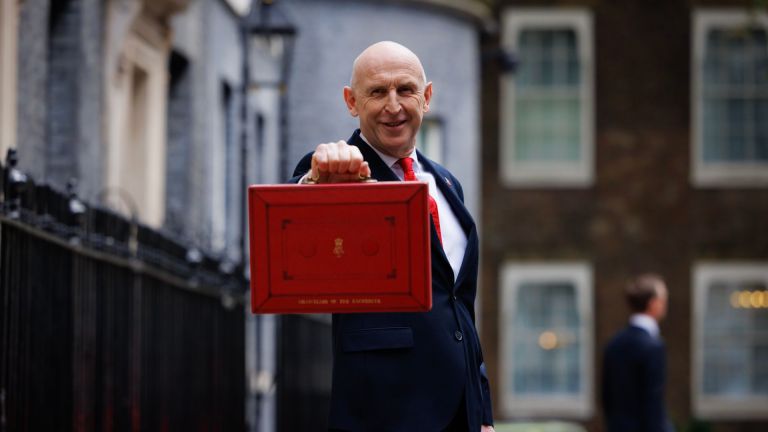
Gherkins, Dolly Parton and £100 off energy bills: What does the autumn budget mean for you?
Chancellor of the Exchequer John Healey prepares to deliver the Budget at 11 Downing Street
Autumn budget

Gherkins, Dolly Parton and £100 off energy bills: What does the autumn budget mean for you?

We're Not Buying It: Why thousands of people are threatening to boycott supermarkets for one day
we're not buying it campaign logo
Cost of living

We're Not Buying It: Why thousands of people are threatening to boycott supermarkets for one day